AC Replacement: Choosing the Right Air Conditioning System for Better Comfort and Efficiency

An air conditioning system plays an important role in maintaining indoor comfort, particularly during periods of high temperatures and humidity. Whether installed in a residential property, commercial building, or office environment, a properly functioning AC unit helps regulate indoor temperatures, improve air circulation, and create a more comfortable atmosphere. However, like other mechanical appliances, air conditioning systems experience wear and tear over time. Older units may become less efficient, require frequent repairs, produce inconsistent cooling, or consume more electricity than necessary. When these problems become increasingly common, replacing the existing system may be a more practical long-term solution than continuing to invest in repairs. A well-planned replacement project involves evaluating the existing equipment, understanding cooling requirements, comparing available systems, selecting suitable equipment, and ensuring professional installation. Making informed decisions throughout this process can improve indoor comfort, reduce unnecessary energy consumption, and provide dependable cooling for years to come.
Understanding When an Air Conditioning System Needs Replacement
Recognizing the signs of an aging or damaged air conditioning system can help property owners make timely decisions and avoid unexpected breakdowns. Although occasional repairs are normal, repeated mechanical problems may indicate that the equipment is approaching the end of its useful service life. One of the most noticeable warning signs is inconsistent cooling. If certain rooms remain warm while others become excessively cold, the system may be struggling to distribute conditioned air effectively. This problem can result from several issues, including deteriorating components, airflow restrictions, or an improperly sized unit.
Unusual noises are another indication that an air conditioning system may require professional attention. Grinding, rattling, buzzing, or persistent clicking sounds can suggest mechanical problems involving fans, motors, compressors, or electrical connections. Similarly, unpleasant odors coming from the vents may indicate moisture accumulation, dirty components, or other maintenance concerns that require investigation.
Frequent repair expenses should also be considered when evaluating whether replacement is necessary. If an older system repeatedly develops problems, the cumulative cost of repairing individual components may eventually become greater than the investment required for a modern replacement. A professional technician can inspect the equipment, identify the underlying problems, and explain whether repairing or replacing the unit is the more practical option.
Benefits of Replacing an Outdated Air Conditioning Unit
Replacing an outdated air conditioning system can provide several benefits beyond restoring reliable cooling. Modern systems are generally designed with improved energy efficiency, more advanced temperature controls, and better operating features. Depending on the equipment selected and the condition of the previous unit, property owners may experience improved comfort and reduced electricity consumption.
One significant advantage is more consistent temperature control. Older systems may struggle to maintain the selected temperature, particularly when their cooling components have deteriorated or their capacity no longer matches the property’s requirements. A properly selected replacement can provide more balanced cooling and help reduce uncomfortable temperature variations between rooms.
Modern air conditioning systems may also operate more quietly than older models. Improvements in compressor design, fan technology, and equipment insulation can reduce operating noise and create a more comfortable indoor environment. This can be particularly valuable in bedrooms, offices, and other spaces where excessive background noise may interfere with daily activities.
Another benefit is access to updated features such as programmable thermostats, variable-speed operation, improved filtration options, and smart temperature controls. These features allow users to manage cooling more conveniently and adjust system operation according to their schedules. Replacing an inefficient unit can therefore improve everyday comfort while supporting better long-term equipment performance.
Choosing the Right Air Conditioning System for Your Property
Selecting a suitable replacement system requires careful consideration of the property’s layout, cooling requirements, insulation, and existing infrastructure. Different buildings have different heating and cooling demands, so choosing equipment based only on the size of the previous unit may lead to unsatisfactory results. An undersized system may struggle to maintain comfortable temperatures, while an oversized unit may cycle on and off too frequently, potentially affecting humidity control and operating efficiency.
Several types of air conditioning systems are available, each offering different advantages. Split systems are commonly used in residential properties because they provide cooling for individual rooms or designated areas. They generally consist of an indoor unit and an outdoor compressor or condenser unit connected through refrigerant piping. Multi-split systems can serve multiple indoor areas using a shared outdoor unit, making them useful when separate cooling zones are required.
Central air conditioning systems are designed to distribute conditioned air throughout a building using ductwork. They can provide consistent cooling across multiple rooms when properly designed and maintained. Ductless mini-split systems offer another option for buildings where installing traditional ductwork may be difficult or impractical.
Property owners should compare available systems according to their cooling capacity, energy efficiency, installation requirements, maintenance needs, and overall operating costs. A qualified HVAC professional can assess the building and recommend an appropriate system based on its actual requirements.
Understanding Air Conditioning Capacity and Proper Sizing
Choosing the correct cooling capacity is essential for achieving comfortable indoor conditions and efficient system operation. Air conditioning capacity is commonly measured in British Thermal Units, or BTUs, and is also expressed in tons of refrigeration. These measurements indicate how much heat an air conditioning system can remove from an indoor environment over a specified period.
However, determining the appropriate capacity involves more than calculating the property’s floor area. Several factors influence cooling requirements, including ceiling height, window placement, insulation quality, building orientation, occupancy, lighting, appliances, and air leakage. Rooms with large windows or significant direct sunlight may require different cooling considerations than shaded areas with effective insulation.
An undersized unit may operate continuously without reaching the desired temperature, placing unnecessary strain on its components. An oversized system may cool the space too quickly without running long enough to remove sufficient humidity. This can result in uncomfortable indoor conditions and inefficient operation.
Professional load calculations help determine the appropriate equipment capacity by considering the building’s specific characteristics. Property owners should avoid selecting an air conditioning unit based exclusively on recommendations intended for another building or on the capacity of an existing system. Accurate sizing supports better performance, improved comfort, and longer equipment life.
Improving Energy Efficiency With a Modern AC System
Energy efficiency is one of the most important factors to consider when replacing an air conditioning unit. Older systems may consume significant electricity because of outdated compressor technology, deteriorating components, or inefficient operating cycles. Modern equipment often includes improvements designed to provide effective cooling while using less energy under suitable operating conditions.
Efficiency ratings can help property owners compare different models. Depending on the system type and market, ratings such as SEER2 and EER2 may be used to indicate cooling efficiency. Higher efficiency ratings generally indicate that a system can provide more cooling relative to its energy consumption under the applicable testing conditions.
Variable-speed compressors are another useful development in modern air conditioning technology. Unlike traditional systems that operate primarily at fixed capacities, variable-speed equipment can adjust its output according to changing cooling requirements. This can support more consistent indoor temperatures and reduce unnecessary energy consumption.
Programmable and smart thermostats can also improve efficiency by allowing users to adjust temperature settings according to their daily routines. Some systems offer remote control through mobile applications, making it easier to manage cooling when occupants are away.
Property owners should compare the purchase price of a unit with its expected operating costs. A more efficient system may involve a higher initial investment but can offer financial benefits through reduced electricity consumption over its service life.
Preparing Your Property for AC Replacement
Proper preparation helps make the replacement process more organized and reduces the possibility of installation complications. Before removing the existing equipment, technicians should inspect the current air conditioning system and evaluate the condition of its supporting components. This includes checking electrical connections, refrigerant lines, condensate drainage, ductwork, mounting arrangements, and thermostat compatibility.
The installation area should be accessible and free from unnecessary obstructions. Outdoor units require suitable placement to support airflow, maintenance access, and effective heat transfer. Indoor units should also be positioned carefully to distribute conditioned air efficiently without creating uncomfortable drafts.
Existing ductwork should be inspected when replacing a central air conditioning system. Damaged, poorly sealed, or incorrectly sized ducts can reduce cooling performance even when a new unit is installed. Air leakage may cause conditioned air to escape before reaching the intended rooms, increasing energy consumption and creating temperature differences.
Electrical requirements should also be reviewed before installation. Modern equipment may have specific power supply, circuit protection, and disconnect requirements. Any necessary electrical modifications should be completed by qualified professionals according to applicable safety standards.
Taking time to inspect and prepare these components helps ensure that the replacement system operates as intended rather than simply connecting new equipment to an unsuitable existing setup.
Why Professional AC Replacement Is Important
Air conditioning replacement involves electrical connections, refrigerant handling, equipment positioning, drainage arrangements, and system testing. These tasks require technical knowledge and specialized tools, making professional installation an important consideration for property owners. Incorrect installation can reduce efficiency, affect cooling performance, and create safety concerns.
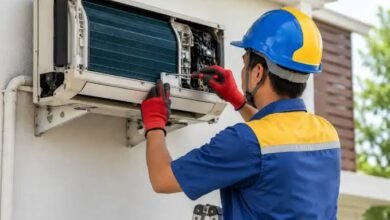
Professional technicians begin by evaluating the existing equipment and confirming the specifications of the replacement unit. They determine whether the current electrical system, refrigerant lines, mounting arrangements, and drainage components are compatible with the new equipment. If any parts require replacement or modification, these requirements can be addressed before the system is commissioned.
The old equipment must be disconnected and removed according to appropriate safety and environmental procedures. Refrigerant should be recovered using suitable equipment rather than released into the atmosphere. The new indoor and outdoor units are then positioned, connected, and prepared for operation according to manufacturer instructions.
System commissioning is another essential stage. Technicians should verify electrical performance, airflow, refrigerant-related operating conditions, drainage, thermostat operation, and overall cooling performance. Proper testing helps identify installation problems before the equipment is handed over to the property owner.
Working with qualified professionals can also help protect equipment warranties and ensure that the replacement meets relevant installation requirements.
Understanding the AC Replacement Process
The replacement process generally follows several stages, beginning with an initial inspection and ending with system testing. Understanding these stages helps property owners know what to expect and communicate effectively with their contractor.
The first stage involves assessing the existing system and determining the requirements of the new equipment. Technicians evaluate the property’s cooling needs, inspect existing connections, and discuss available replacement options. Once the appropriate unit has been selected, the contractor can prepare an installation plan and schedule the work.
The next stage involves safely disconnecting and removing the old system. Electrical supplies must be isolated, refrigerant must be handled correctly, and existing equipment must be removed without damaging surrounding structures. The installation area is then prepared for the replacement unit.
After preparation, technicians install the new indoor and outdoor equipment, connect the required piping and electrical components, and verify the condensate drainage arrangement. Depending on the system type, existing refrigerant lines or ductwork may need inspection, cleaning, modification, or replacement.
Finally, the system is tested to confirm that it operates correctly. Technicians should check cooling output, airflow, thermostat settings, electrical connections, and drainage. They should also explain basic operation and maintenance requirements to the property owner. Completing every stage carefully helps support reliable performance and reduces the risk of future problems.
The Importance of Indoor Air Quality and Filtration
Replacing an air conditioning system can provide an opportunity to improve indoor air quality. Air conditioning equipment does more than regulate temperature; depending on its design and filtration system, it can also help remove certain airborne particles from circulating indoor air.
Dust, pollen, pet dander, and other particles can accumulate inside buildings and affect indoor comfort. Suitable air filters help capture some of these contaminants as air passes through the system. The effectiveness of filtration depends on the filter type, its rating, the equipment’s compatibility, and regular maintenance.
Some systems support higher-efficiency filtration options, while others use standard filters designed primarily to protect internal equipment. Property owners should consult HVAC professionals before selecting a filter with a higher filtration rating because overly restrictive filters may reduce airflow if the system is not designed to accommodate them.
Ductwork cleanliness is another important consideration for central air conditioning systems. Dust accumulation, damaged ducts, and air leakage may affect system performance and indoor cleanliness. Duct inspection can help determine whether cleaning, sealing, or repair is necessary.
Maintaining suitable indoor humidity is also important because excessive moisture may encourage mold growth, while excessively dry air can cause discomfort. A properly selected and maintained air conditioning system can contribute to a more comfortable indoor environment, although it should not be considered a complete substitute for appropriate ventilation and indoor air quality management.
Common Mistakes to Avoid During AC Replacement
Several mistakes can reduce the performance and lifespan of a newly installed air conditioning system. One common problem is choosing equipment based only on price. Although affordability is important, a low-cost unit may not provide the capacity, efficiency, or features required by the property. Comparing specifications and long-term operating costs is a better approach.
Another mistake is selecting an incorrectly sized system. An oversized or undersized unit can create comfort problems and unnecessary energy consumption. Professional load calculations should be used to determine the appropriate cooling capacity instead of relying on general estimates alone.
Ignoring existing ductwork is another frequent issue during central AC replacement. Even an advanced new system may perform poorly when connected to leaking, damaged, or unsuitable ducts. A complete inspection helps identify problems that should be corrected before the replacement equipment is installed.
Property owners should also avoid overlooking electrical requirements and drainage arrangements. Improper connections may create safety concerns, while blocked or incorrectly positioned condensate drains can lead to water leakage and property damage.
Finally, hiring an inexperienced installer can compromise the entire project. Poor installation practices may affect airflow, refrigerant performance, equipment efficiency, and warranty coverage. Choosing qualified professionals and requesting a detailed installation plan helps minimize these risks.
Maintaining Your New Air Conditioning System
Regular maintenance is essential for preserving the performance and efficiency of a newly installed air conditioning unit. Even modern systems require periodic attention to ensure that their components remain clean and function correctly. Following the manufacturer’s maintenance recommendations can help reduce unnecessary wear and prevent avoidable breakdowns.
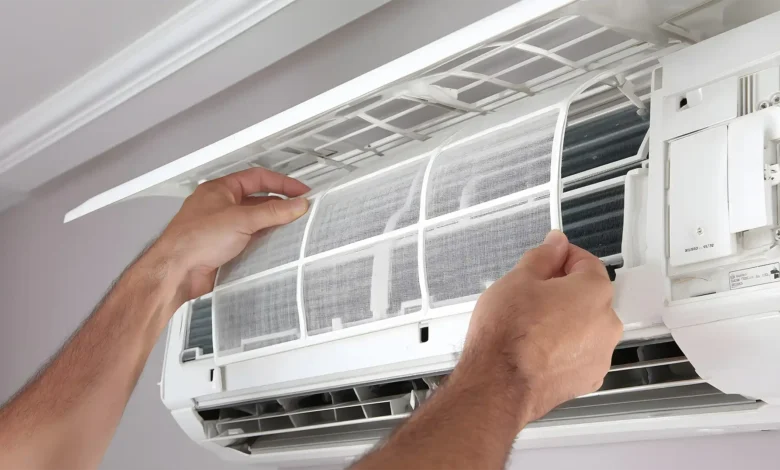
Air filters should be inspected regularly and cleaned or replaced according to their type and usage conditions. Dirty filters can restrict airflow, reduce cooling efficiency, and place additional strain on the system. Homes with pets, significant dust exposure, or frequent occupancy may require more frequent filter attention.
Outdoor condenser units should be kept clear of leaves, dirt, and other debris that may restrict airflow. The surrounding area should provide sufficient clearance according to the manufacturer’s recommendations. Indoor vents and return air openings should also remain unobstructed to support proper circulation.
Professional maintenance should include inspection of electrical connections, drainage components, refrigerant-related operating conditions, coils, and other important equipment parts. Any unusual sounds, odors, leaks, or changes in cooling performance should be investigated promptly.
Property owners should also avoid setting extremely low temperatures unnecessarily because doing so does not always cool a room faster and may increase energy consumption. Using reasonable temperature settings and programmable controls can support efficient operation while maintaining comfort.
Understanding the Cost of AC Replacement
The overall cost of replacing an air conditioning system depends on several factors, including equipment type, cooling capacity, energy efficiency, installation complexity, and existing infrastructure. A basic replacement involving compatible equipment may be relatively straightforward, while a project requiring new electrical connections, duct modifications, refrigerant lines, or structural adjustments may involve additional expenses.
The selected brand and model can also influence the investment. Premium systems may offer advanced features, higher efficiency ratings, quieter operation, and more sophisticated temperature controls. However, the most expensive model is not necessarily the most appropriate choice for every property.
Labor costs should be considered alongside equipment prices. Professional installation includes removing the old unit, preparing the site, connecting the new system, testing performance, and completing any required adjustments. Property owners should request written estimates that clearly explain which services and materials are included.
Long-term expenses are equally important. Electricity consumption, filter replacements, routine maintenance, and potential repair costs all contribute to the overall ownership expense. Comparing these factors helps property owners select equipment that offers a suitable balance between affordability, reliability, and performance.
Obtaining quotations from multiple qualified contractors can provide a better understanding of available options. However, proposals should be compared according to equipment specifications, installation standards, warranty conditions, and included services rather than price alone.
Selecting the Right HVAC Contractor for Your Project
Choosing a reliable HVAC contractor is one of the most important steps in achieving a successful replacement. A qualified professional should have relevant experience with the selected air conditioning system, understand installation requirements, and follow appropriate electrical and refrigerant-handling standards.
Before hiring a contractor, property owners should review previous projects, customer feedback, professional qualifications, and relevant licensing or certification requirements. Asking about experience with similar equipment can also help establish whether the contractor is familiar with the proposed system.
A detailed written estimate should include the equipment model, cooling capacity, efficiency rating, installation work, additional materials, and expected completion time. It should also clarify whether removal and disposal of the existing unit, electrical modifications, duct inspections, and system commissioning are included.
Contractors should explain warranty coverage and distinguish between manufacturer warranties and workmanship guarantees. They should also provide guidance about system operation, filter maintenance, and recommended servicing intervals.
A dependable professional will focus on the property’s actual cooling requirements instead of recommending equipment based solely on price or brand preference. Clear communication and proper technical assessment help ensure that the selected system delivers the expected performance.
Conclusion: Making the Right Investment in AC Replacement
Replacing an outdated air conditioning system is an important investment that can improve indoor comfort, support energy efficiency, and reduce the inconvenience of recurring mechanical problems. However, achieving satisfactory results requires more than purchasing a new unit. Property owners must consider cooling capacity, equipment type, energy ratings, existing infrastructure, installation quality, and long-term maintenance requirements.
Professional assessment helps identify the most suitable ac replacement option while ensuring that electrical connections, refrigerant lines, drainage systems, and airflow arrangements are properly addressed. Choosing an experienced contractor also reduces the risk of installation errors and helps protect the equipment’s performance and warranty coverage.
Regular maintenance remains essential after installation because even modern systems require cleaning, inspection, and timely servicing. By combining suitable equipment with professional installation and responsible maintenance, property owners can enjoy dependable cooling and improved indoor comfort for many years. Ultimately, a well-planned AC replacement is not simply about replacing old equipment; it is about creating a more efficient, comfortable, and reliable indoor environment.