
Palentu is an unusual word that may leave many readers with questions. What does Palentu mean? Where does the name come from? Is it a product, a brand, a food, or something else? These are useful questions to ask when you find a word that has no clear meaning. Some words have a long history. Others come from local speech, online names, or spelling changes. A word can also have more than one meaning in different places. This makes it important to check the facts before giving it a clear label.
This Palentu guide explains what is known, what remains unclear, and how to find useful facts about the term. It also looks at possible links to other words, ways to check online claims, and common mistakes to avoid. The goal is to give readers a simple and helpful guide without adding false details.
What Is Palentu?
Palentu is a term whose exact meaning has not been confirmed in a reliable source for this article. It may be a name, a local word, a spelling change, or a term used in a small group. Without more details, it would be wrong to say that Palentu is a known product, business, food, or online service. A name alone does not tell us what it stands for. We need to know where people use it and what they mean when they say it.
One useful way to understand Palentu is to look at the words around it. For example, a word in a food guide may have a different meaning from the same word on a business page. A name on a package may point to a brand. A word in a family story may point to a place or a person. The source gives us clues. These clues help us find the right meaning instead of making a guess.
The Possible Meaning of Palentu
The meaning of Palentu depends on how and where the word appears. Some words begin as names for local items. Others start as nicknames or short forms of longer words. A few come from another language and change over time. Palentu could fit one of these groups, but there is not enough proof to choose one. This is why the source matters more than the sound of the word.
For example, a reader may see Palentu in a recipe, a shop name, or an online post. Each case needs a different check. A recipe may point to a food term. A shop name may point to a business. An online post may use the word as a joke or a name. The same letters do not always have the same meaning. Readers should look at the full sentence, the author, and the date before deciding what the term means.
Palentu and Its Possible Link to Palenta or Polenta
One useful clue is the close spelling of Palentu, palenta, and polenta. These words look alike, but that does not prove they mean the same thing. Polenta is a food made from cooked cornmeal. It is well known in Italian cooking. Palenta is a name used for a similar dish in parts of Southeast Europe. Both words have clear links to food and cooking. Palentu, however, has not been shown to be a standard name for this dish.
Polenta as a possible spelling clue
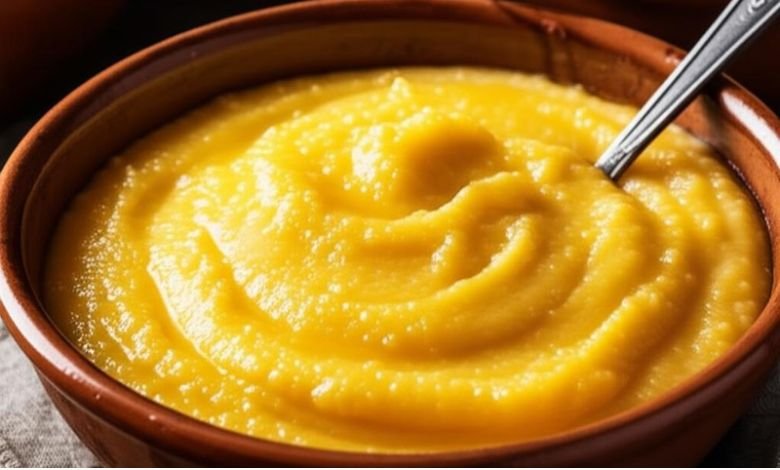
Polenta is a thick or soft cornmeal dish. It may be served with cheese, meat, or vegetables. Its name is close to Palentu, but the two should not be treated as the same word without proof.
A spelling change can happen when people write a word as they hear it. Local speech may also change how a word sounds. This could help explain why two words look alike. Still, a close match is only a clue. If Palentu appears in a food article, checking palenta and polenta may help. If it appears in a different setting, the food link may have no value. Good research means following the evidence instead of forcing every word into one meaning.
The Language Background of Palentu
There is a more specific language clue behind Palentu. In Serbo-Croatian grammar, palenta is a word for polenta, and palentu is its accusative singular form. This means the ending changes when the word plays a certain role in a sentence. The food stays the same, but the word takes a different form. A recent language-focused guide also explains this link.
This helps explain why Palentu may appear in text even when a food book uses the name palenta. For readers, the key point is simple. Palentu can be a form of a known food word rather than a new food or product. Yet the meaning still depends on where the word appears. A website may use the same letters as a name. A writer may also use them for a new idea. The language link gives us a clear starting point, but it does not explain every use of the term.
How Palentu Connects to Traditional Food
When Palentu refers to palenta, it connects to a simple cornmeal dish. People make this food by cooking cornmeal in water or another liquid until it becomes thick. Some cooks add salt, butter, or cheese. Others serve it with meat, sauce, or vegetables. The dish can be soft and creamy when fresh. It can also become firm as it cools. Cooks may then cut it into pieces and fry, grill, or bake it.
Cornmeal dishes have been part of daily meals in many places for a long time. They use simple items and can feed a family without a complex recipe. This is one reason polenta and palenta remain familiar foods in parts of Europe. Still, it is important to keep the names clear. Polenta is the common English and Italian food name. Palenta is a regional name. Palentu is a word form used in certain sentences.
How Is Palenta Prepared?
If a reader finds Palentu in a food setting, knowing how palenta is made can help. A basic recipe needs cornmeal, water, and salt. The cook heats the water in a pot and adds salt. Next, the cook pours in the cornmeal while stirring. This helps stop lumps from forming. The mix then cooks over low heat. The cook stirs it as it grows thick and soft. The cooking time depends on the type of cornmeal. Some quick-cook types take only a few minutes. Other types take much longer.
The finished dish can be served in many ways. A soft bowl of palenta may go well with cheese or a rich sauce. A firm piece can be grilled and served with vegetables. The taste is mild, so the dish works with many foods. It is also a good example of how a simple food can have several local names. Anyone who finds Palentu in a recipe should check the language and the full cooking steps before deciding what the word means.
Why Does Palentu Appear on Websites?
Palentu also appears in online articles that give it a wider meaning. Some pages describe it as a new word, a creative name, or an idea linked to modern work and design. One article presents it as a flexible term used for names and projects. Another gives it a meaning linked to balance and creative thinking. These pages show how different writers explain the term, but they do not prove that all people use it in the same way.
This is a common issue with rare search terms. A website may publish an explanation without giving a dictionary, book, or first-hand source. Other websites may then repeat the same claim. After a while, the claim can look like a fact because it appears in many places. Readers should check whether the pages offer real proof. A repeated idea is not always a true one. For Palentu, the food and grammar link has a clearer basis than broad claims about a new way of thinking.
Can Palentu Be a Brand or Project Name?
Palentu could also serve as a brand or project name. It is short and easy to place in a logo or website title. A business owner might choose it for a food shop, a design project, or an online page. Yet the fact that a word could work as a name does not mean that a known company already uses it. A real business claim needs proof, such as a company record, an official website, or a clear product listing.
Anyone planning to use Palentu as a brand should check existing names first. A search can show whether another business uses the same word. It is also wise to check domain names and trade marks in the country where the business will work. This can help avoid name disputes later. A name should be easy to spell, easy to say, and clear to its buyers. If people may confuse Palentu with palenta or polenta, a short brand description can help them see the difference.
How to Find Reliable Information About Palentu
The best way to research Palentu is to start with the place where you found it. If it came from a recipe, look for the food name and the language used in the recipe. If it came from a website, check the page title, author, and date. If it came from a product label, look for the maker and a clear list of details. These small checks can save time and stop false claims from spreading.
It also helps to compare more than one source. A dictionary can explain a word form. A food book can explain a dish. An official company page can explain a brand. Each source answers a different question. Do not use a food guide to prove that a company exists. Do not use a blog post to prove a word has a long history. Good information comes from matching the question with the right kind of source.
Common Mistakes People Make About Palentu
One common mistake is treating every search result as proof of a new meaning. A page may call Palentu a modern idea or a new online trend. That does not mean the term has become a standard word. Another mistake is treating Palentu, palenta, and polenta as three separate dishes. In food and language use, these forms can have a close link. The exact form may depend on the language and the sentence.
Readers may also trust a page just because it has a long article or a new date. Length and date alone do not prove that a claim is true. Look for clear facts and sources. If a page says Palentu has a founder, a launch year, or special benefits, it should show where those facts came from. When no proof is given, the claim should remain unconfirmed. This simple habit helps readers avoid weak or false information.
What Should Readers Know About Palentu in 2026?
In 2026, the most useful way to understand Palentu is to separate its known language use from other claims. The word has a clear link to palenta in Serbo-Croatian grammar. In that setting, it points to a cornmeal dish. Online articles may give it other meanings, but those meanings need their own proof. A reader should not assume that every page uses the term in the same way.
This also shows why context matters when learning a new word. A single letter can change a word’s form in one language. The same spelling can become a name in another setting. A careful reader checks the source before making a choice. For Palentu, that means looking at the full sentence, the type of page, and any facts the writer provides. These steps offer a clearer answer than a long list of guesses.
Conclusion
Palentu is a useful example of how a word can have more than one possible use. Its clearest documented meaning comes from the Serbo-Croatian word palenta, which refers to polenta. Palentu is a form of that word used in certain sentences. This gives readers a solid answer when they find it in a food or language setting.
At the same time, some websites use Palentu as a name or a modern idea. These uses should be checked on their own. The best way to understand the term is to look at its source, compare trusted facts, and avoid claims without proof. With these steps, readers can learn what Palentu means and make sense of the word when they see it again.