Cheap household furniture wears out quickly, but durable builds protect value

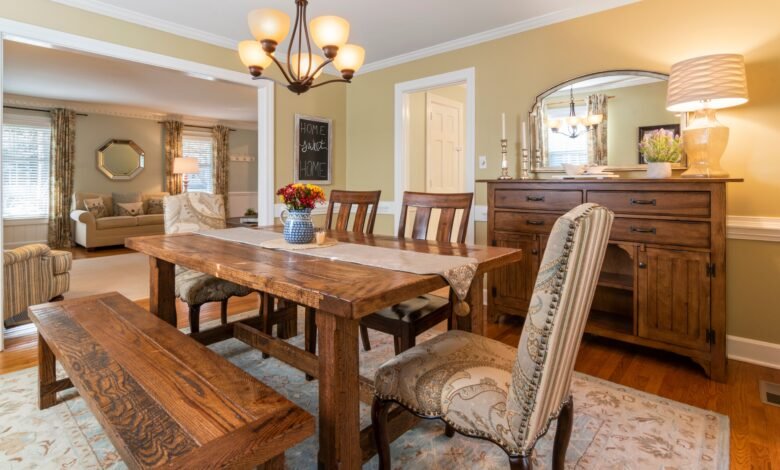
You probably bought a budget sofa or discount mattress expecting to save money, only to watch the cushions flatten within a couple of seasons. Low-cost home furnishings often hide synthetic glues and chemical treatments that slowly release fumes into your living space while breaking down fast.
Rising awareness around indoor air quality and rapid wear is changing how homeowners furnish their rooms. When you prioritize certified non-toxic materials and solid structural engineering, you protect your family’s wellbeing and stop paying for endless replacements.
Why Does Budget Furniture Break Down So Quickly?
Mass-produced furniture relies on low-density polyurethane foams, stapled particleboard frames, and thin veneers that cannot handle everyday weight. Because manufacturers cut corners to hit low retail price tags, joints loosen, and foam cells collapse long before you expect them to fail.
Research from the Global Plastic Action Partnership shows that more than 22 million pieces of fast furniture end up in landfills every year after lasting just 5 to 7 years. That throwaway cycle drains your bank account while filling local waste sites with synthetic plastics and treated wood.
You deserve home pieces that hold their shape through years of daily family life. Spotting weak construction early helps you redirect your budget toward frames and cores engineered for genuine longevity.
How Do Hidden Chemicals Affect Your Indoor Air Quality?
Bargain upholstery and pressed-wood dressers frequently release volatile organic compounds, known as VOCs, into your bedrooms and living areas. That familiar new-furniture smell comes from formaldehyde resins, solvent-based adhesives, and synthetic finishes escaping into the air you breathe.
Findings from the Environmental Working Group explain that people absorb chemical flame retardants through skin contact, inhale them indoors, and ingest them via household dust, putting crawling infants and young children at heightened risk. Because tiny hands touch floors and furniture surfaces constantly, chemical treatments in low-grade foam create avoidable daily exposure.
Poor ventilation traps these airborne compounds inside insulated modern homes throughout the year. Switching to certified low-emission materials removes major pollution sources right at the room level.
The Hidden Weight of Flame Retardants in Soft Furnishings
Many shoppers assume strict flammability rules require heavy chemical coatings on every cushion and sleep surface. Manufacturers often saturate cheap petroleum foams with synthetic additives to pass basic ignition tests without upgrading to naturally fire-resistant fibers.
Data published by Fidra reveals that chemical flame retardants can account for up to 18% of a mattress’s total weight and up to 30% of the foam weight inside an upholstered sofa. Carrying that much synthetic chemistry inside your primary resting spaces adds unnecessary toxic burden to your home environment.
Natural barriers like tightly woven wool, organic cotton, and breathable bamboo textiles resist heat without harsh chemical baths. Choosing clean material barriers lets you meet safety standards while keeping your bedroom air fresh.
What Makes Multi-Layer Mattress Construction Resist Sagging?
A mattress loses comfort when its support core compresses unevenly beneath your shoulders and hips. Single-block budget foam beds trap body heat and soften rapidly, leaving permanent body impressions that strain your lower back.
Hybrid designs pair individually pocketed steel coils with resilient upper comfort layers to distribute body weight evenly across the sleeping surface. This combination can be seen in products such as the Panda Hybrid range, which brings together pocket springs, supportive foam layers, and bamboo-based mattress materials. These different components serve distinct purposes, balancing underlying support with cushioning and temperature regulation without relying on a single material.
You can check build quality by looking at coil gauge, foam density ratings, and zoned lumbar support before you buy. Strong internal architecture stops mid-bed dipping before it ever disrupts your sleep posture.
How to Spot High-Density Materials Before You Buy
Marketing labels often disguise thin foams and hollow frames behind buzzwords like plush or luxury. Learning to inspect specific material specs gives you real leverage when comparing showroom models or online listings.
Focus on measurable build indicators that separate heirloom-grade goods from short-lived imports:
- High-density foam cores: Look for memory foam rated at 4 pounds per cubic foot or higher so cells resist permanent flattening.
- Kiln-dried hardwood frames: Choose solid oak, ash, or beech joints instead of stapled softwood or MDF boards that warp under stress.
- Individually pocketed coils: Select tempered steel springs wrapped in fabric sleeves to isolate motion and maintain upward lift.
- Breathable natural covers: Pick bamboo, organic cotton, or pure wool ticking that wicks moisture away from internal layers.
Independent Safety Certifications That Actually Matter
Greenwashing makes shopping difficult when every brand claims its furniture is eco-friendly or natural. Third-party laboratory testing cuts through vague promises by verifying that finished goods meet strict chemical and environmental thresholds.
Look for recognized standards like CertiPUR-US or CertiPUR for foams, OEKO-TEX Standard 100 for textiles, and FSC certification for responsibly harvested timber. Independent auditors screen for heavy metals, formaldehyde, phthalates, and high VOC emissions so you do not have to guess what hides beneath the fabric.
Verified certifications confirm that safety extends from raw fiber sourcing right through final assembly. Investing in tested goods protects sensitive sleepers, allergy sufferers, and growing children every single night.
How Do You Calculate True Multi-Year Lifecycle Savings?
Sticker price tells only a small fraction of what a bed or sofa actually costs your household. Dividing the purchase price by the realistic years of comfortable service reveals the true annual expense of any furnishing.
Imagine spending $600 on a bargain mattress that sags after 4 years, forcing you to buy 3 separate beds over a 12-year span for a total outlay of $1,800 plus delivery and disposal fees. Spending $1,200 once on a certified hybrid system built to perform for 12 years lowers your annual sleep cost to $100 while saving you $600 in repeat purchases.
Quality sleep systems preserve spinal alignment and deep rest, sparing you from morning stiffness and premature replacement hassles. Running this simple cost-per-year math shifts your focus from short-term discounts to lasting financial value.
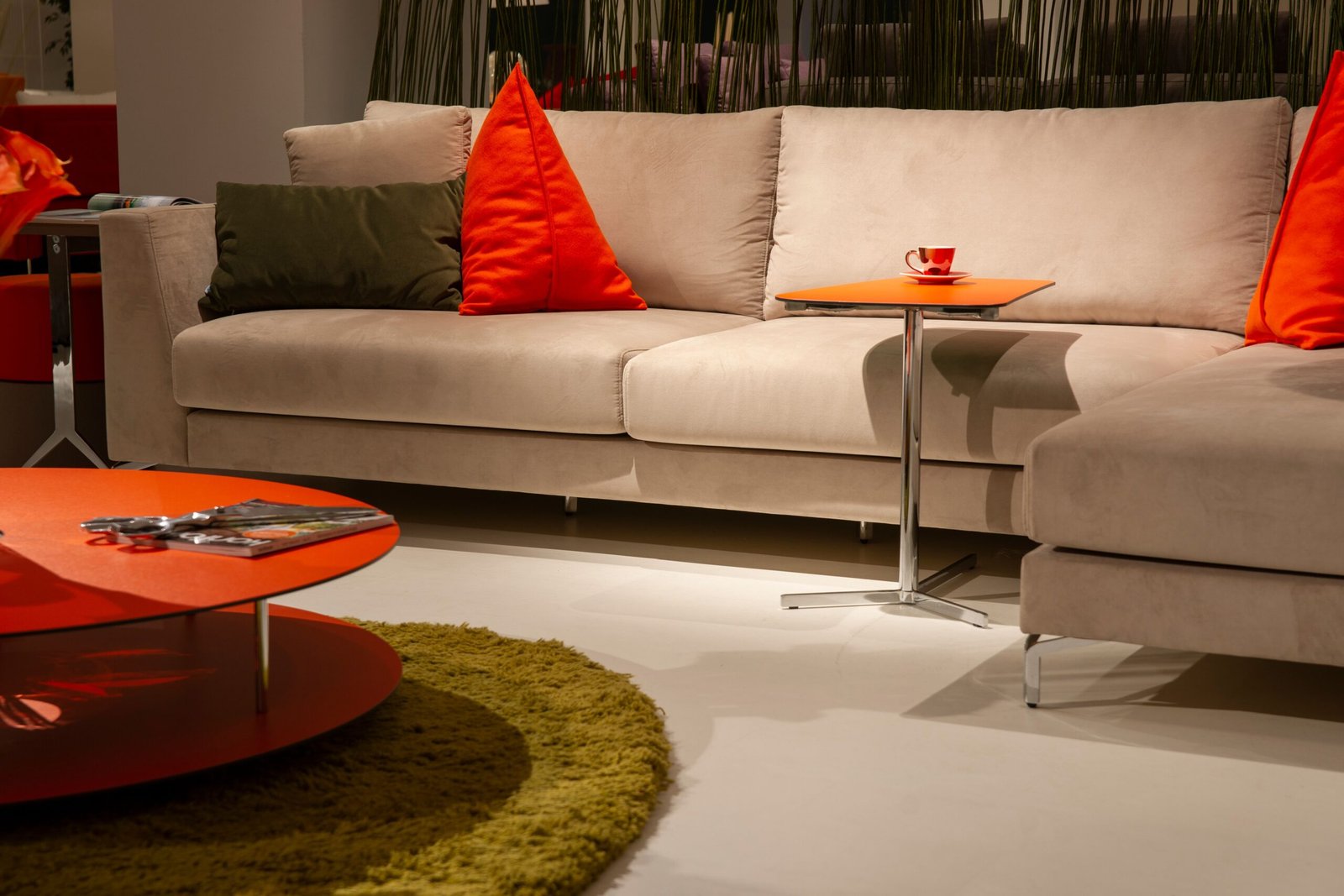
Upgrading your living space does not mean chasing expensive trends or replacing furniture every few seasons. When you choose resilient, independently certified residential furnishings, you eliminate hidden chemical hazards while protecting your household against repeated replacement bills.
Start by inspecting the materials inside the pieces you use most, paying close attention to structural density and verified safety labels. Thoughtful investments made today will support your health, comfort, and budget for many years to come.