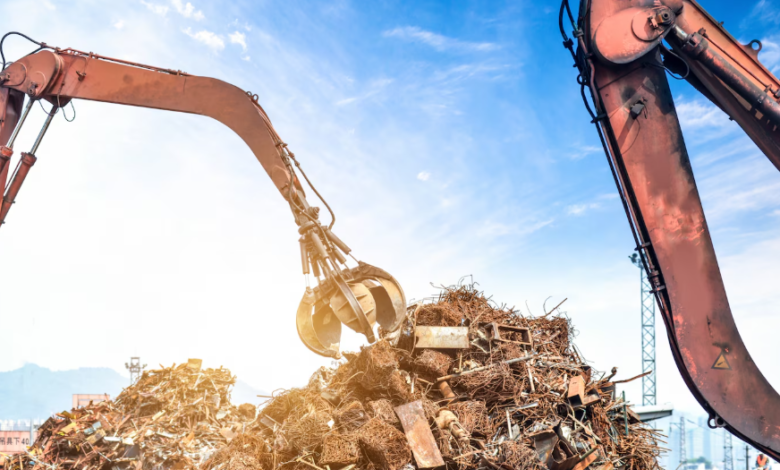
Commercial sites get very cluttered quickly – and regularly emptying bins takes up countless hours that no one really has time for. A compactor changes that math completely. It reduces your waste volume by a huge amount – so much so that collection vehicles arrive less frequently and those bins are no longer overflowing by Thursday afternoon itself. Looking at waste compactors for sale is usually the first smart move once a business notices its bin collection bill climbing every quarter. The savings are not small either. Lots of sites reduce their collection frequency by half after a compactor’s installed – and it really adds up over an entire year of operation.
What a Compactor Actually Saves You
| Factor | Without Compactor | With Compactor |
| Bin collections per week | 5 – 7 | 2 – 3 |
| Waste volume | Full size | Reduced up to 80% |
| Staff handling time | High | Low |
| Spillage risk | Higher | Lower |
Those numbers shift depending on the business, but the direction never changes. Less volume means fewer trips, and fewer trips means a smaller bill at the end of the month.
Static or Portable, Which One Fits?
Static compactors bolt to a loading dock and stay there. They really suit a supermarket or a distribution centre – anywhere waste is constantly appearing all through the day. Portable units travel round a site on wheels much more effectively for construction or events when waste accumulates in various locations. Choosing the wrong type is quite a frequent blunder. A static unit on a construction site without a fixed dock just stands idle most of the time.
Questions to Ask Before You Buy
- How much waste does the site produce weekly?
- Is there a fixed loading dock, or does the unit need to move?
- What is the current collection cost, and how often do trucks come?
- Does the waste stream include wet or food material?
- Who handles servicing once the unit is installed?
Answering these five honestly before buying saves a business from picking equipment that does not actually match how it operates day to day.
Noise Is a Factor Most People Forget
Noise is another aspect no one really brings up – until the compactor gets placed right next to a staff break room. A hydraulic unit operating every few minutes near a loading dock might produce sound levels that will bother neighbors or employees on their smoking break. Be sure to request the decibel rating before purchasing, rather than finding out afterwards. Some vendors even provide quieter motor alternatives for sites located near residential areas – and that additional expense may be very much worth it if the compactor ends up being quite close to where employees actually work or reside themselves.
The Bigger Picture on Waste in Australia
Australia’s resource recovery rate sits around 63 percent, according to the National Waste Report, which means more than a third of everything generated still ends up as waste rather than recovered material. Commercial and industrial waste makes up a huge chunk of that total. Better handling at the source, including smarter equipment like compactors, is one of the few levers a single business can actually pull without waiting on policy to catch up.