Keeping Your Cooling System Efficient with Professional Air Conditioning Repair

Understanding the Importance of Air Conditioning Repair
A properly functioning air conditioning system is essential for maintaining a comfortable indoor environment, especially when outdoor temperatures become uncomfortable and homeowners depend on reliable cooling throughout the day. Modern air conditioners are designed to regulate indoor temperatures, remove excess humidity, improve air circulation, and create a pleasant atmosphere for everyday activities. However, continuous operation gradually places stress on different mechanical and electrical components, which can eventually affect the overall performance of the equipment. Problems such as dirty evaporator coils, refrigerant leaks, restricted airflow, damaged capacitors, and malfunctioning thermostats can prevent a cooling system from operating as efficiently as it should. Professional air conditioning repair helps identify these problems, determine their underlying causes, and restore the equipment to dependable working condition. Addressing developing concerns at an early stage can also reduce unnecessary energy consumption, prevent additional component damage, and help homeowners avoid unexpected breakdowns that interfere with their daily routines.
Common Problems That Affect Cooling Performance
Air conditioning systems can experience several problems during their operating life, and many of these issues initially appear through small changes in cooling performance. Homeowners may notice that certain rooms are not receiving enough cool air, the equipment takes longer to reach the selected temperature, or the system operates continuously without providing the expected comfort. Other warning signs include unusual buzzing sounds, unpleasant odors, water collecting around indoor equipment, and frequent cycling between operating and inactive modes. These symptoms can develop because of restricted air filters, damaged fan motors, clogged condensate drains, electrical failures, or problems involving refrigerant circulation. Although some issues may seem minor initially, allowing them to continue can place additional pressure on the entire cooling system. Understanding these common warning signs makes it easier to recognize when professional attention is necessary and helps homeowners take practical steps toward maintaining consistent indoor comfort.
How Refrigerant Problems Affect Air Conditioning Systems
Refrigerant plays a central role in the cooling process because it absorbs heat from indoor air and transfers that heat outside through a continuous circulation cycle. For an air conditioner to maintain the desired indoor temperature, its refrigerant system must operate correctly and maintain an appropriate charge. When a refrigerant leak develops, the equipment may lose its ability to remove heat effectively, causing longer operating cycles, insufficient cooling, and increased energy consumption. Some homeowners mistakenly believe that refrigerant naturally decreases during regular operation, but a properly functioning sealed system should not routinely require additional refrigerant. A qualified HVAC technician can inspect refrigerant lines, evaluate system pressures, locate potential leaks, and determine which repairs are necessary before restoring the correct operating conditions. Addressing refrigerant problems properly is important because simply adding more refrigerant without identifying the source of the leak does not provide a dependable long-term solution and may allow the original problem to return.
Maintaining Proper Airflow Throughout the Property
Airflow is another important factor that determines how effectively an air conditioning system distributes cooled air throughout a home. The equipment depends on a combination of filters, blower motors, return vents, supply ducts, and evaporator coils to move air through the cooling process and deliver comfortable temperatures to different rooms. When one or more of these components becomes restricted, the system may struggle to distribute conditioned air evenly, resulting in uncomfortable temperature differences throughout the property. Dirty filters, blocked vents, damaged duct connections, and accumulated debris around ventilation openings are common reasons for reduced airflow. Homeowners should regularly inspect accessible vents and replace filters according to the manufacturer’s recommendations, but problems involving internal equipment or ductwork require a more detailed inspection. Maintaining unrestricted airflow allows the cooling system to operate more efficiently, reduces unnecessary mechanical strain, and helps create a more balanced indoor environment.
The Importance of Clean Evaporator and Condenser Coils
Evaporator and condenser coils are essential components because they allow the air conditioning system to transfer heat during the cooling process. The evaporator coil absorbs heat from indoor air, while the condenser coil releases that heat outside the property. Over time, dust, dirt, pollen, and other environmental contaminants can collect on these surfaces, creating a layer that interferes with effective heat transfer. When coils become excessively dirty, the system may need to operate longer to achieve the selected temperature, increasing electricity consumption and placing additional pressure on important components. In some situations, restricted heat transfer can contribute to frozen evaporator coils or overheating concerns that interrupt normal operation. Professional cleaning and inspection help maintain proper heat exchange, identify possible coil damage, and support consistent cooling performance. Keeping these components clean is particularly important for equipment that operates frequently because regular use can increase the accumulation of airborne debris and environmental contaminants.
Identifying Electrical Problems Before They Become Serious
Modern air conditioning systems rely on electrical components to control starting, cooling cycles, fan operation, and communication between different parts of the equipment. Capacitors, contactors, relays, circuit boards, wiring connections, and safety switches all contribute to reliable system operation. When an electrical component begins to fail, homeowners may notice that the air conditioner does not start properly, shuts down unexpectedly, or repeatedly interrupts its cooling cycle. Some systems may produce clicking or buzzing sounds, while others may cause a circuit breaker to trip during operation. These symptoms should not be ignored because faulty electrical connections can damage additional components and create potential safety concerns. Professional technicians use suitable diagnostic equipment to examine electrical circuits, test individual components, and identify defective connections. Correctly addressing electrical problems helps restore dependable operation while reducing the likelihood of repeated shutdowns and unnecessary damage to the cooling equipment.
Why Thermostat Accuracy Matters for Indoor Comfort
The thermostat acts as the control center of an air conditioning system because it communicates the desired indoor temperature and signals when cooling should begin or stop. If the thermostat develops a problem, the equipment may operate longer than necessary, shut down before reaching the desired temperature, or fail to respond correctly to adjustments. Incorrect thermostat placement, weak batteries, wiring problems, calibration issues, and communication failures can all affect its performance. Homeowners should make sure that the thermostat is not exposed to direct sunlight or positioned near appliances that produce significant heat, as these conditions may influence temperature readings. Modern programmable and smart thermostats offer additional features that allow users to establish schedules and manage cooling more conveniently. However, even advanced controls require correct installation and configuration to function properly. Professional inspection can help determine whether inconsistent cooling originates from the thermostat or another part of the HVAC system.
Preventing Condensate Drainage and Water Leakage Problems
Air conditioning systems naturally produce condensation as they remove moisture from indoor air, and this water must travel through a dedicated drainage system to leave the equipment safely. During regular operation, dust, algae, dirt, and other debris may gradually collect inside the condensate drain line, restricting water movement and eventually creating a blockage. When condensation cannot drain properly, water may accumulate around the indoor unit, overflow from the drain pan, or leak onto nearby floors and walls. Continued moisture exposure can damage building materials and encourage conditions that support mold growth. Some air conditioners include safety switches that automatically interrupt operation when a drainage problem is detected, helping prevent more extensive water damage. Professional maintenance can include inspecting the drain pan, checking the drain line, clearing obstructions, and examining connections for signs of leakage. Keeping drainage components in good condition protects both the cooling equipment and the surrounding property.
Protecting the Compressor and Other Essential Components
The compressor is one of the most important components in a conventional air conditioning system because it circulates refrigerant through the cooling cycle and helps maintain the pressure required for effective heat transfer. Since the compressor performs demanding mechanical work, problems involving refrigerant levels, electrical connections, restricted airflow, or excessive operating temperatures can place additional stress on this component. Other important parts, including condenser fans, blower motors, evaporator coils, and expansion devices, also contribute to the overall cooling process. When one component develops a problem, the resulting strain can affect other parts of the equipment and gradually reduce its reliability. Regular professional inspections allow technicians to evaluate these interconnected components, recognize unusual operating conditions, and recommend appropriate corrective measures. Addressing minor mechanical problems before they become extensive can help homeowners protect expensive equipment, maintain reliable cooling, and avoid unnecessary replacements whenever practical repairs remain a suitable option.
Improving Energy Efficiency Through Professional Maintenance
Energy efficiency is an important consideration for homeowners because air conditioning equipment can account for a significant portion of household electricity consumption during periods of frequent cooling. When an air conditioner becomes inefficient, it may need to operate for longer periods to maintain the selected temperature, increasing energy use without providing better indoor comfort. Dirty coils, clogged filters, refrigerant problems, malfunctioning fans, and incorrect thermostat settings can all contribute to this situation. Professional maintenance helps identify the conditions responsible for unnecessary energy consumption and provides an opportunity to restore proper system operation. Technicians may inspect electrical components, evaluate airflow, clean important surfaces, examine refrigerant performance, and verify that the equipment responds correctly to thermostat settings. Homeowners can further support efficiency by keeping outdoor equipment clear of excessive debris, maintaining suitable filter replacement schedules, and avoiding unnecessarily low thermostat settings. Combining professional attention with responsible everyday equipment use helps support consistent performance and more manageable operating expenses.
Recognizing When Professional AC Service Is Necessary
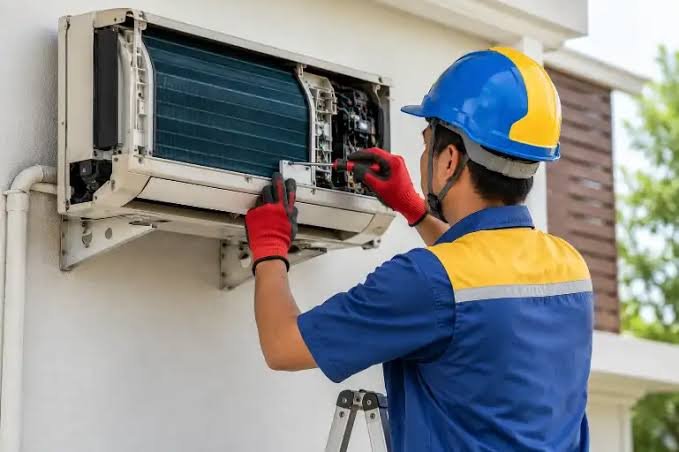
Knowing when to arrange professional service can help homeowners prevent minor cooling problems from becoming major equipment failures. If an air conditioner begins producing warm air, repeatedly shuts down, makes unusual mechanical noises, or struggles to maintain a consistent indoor temperature, these symptoms deserve attention. Persistent water leakage, frozen coils, burning odors, and repeated electrical interruptions are also warning signs that should not be overlooked. Although homeowners can perform simple tasks such as replacing accessible filters and checking thermostat settings, internal electrical repairs, refrigerant handling, and mechanical troubleshooting require appropriate training and equipment. Attempting complicated repairs without professional knowledge can create additional damage and potential safety hazards. An experienced HVAC technician can examine the equipment, explain the underlying problem, and recommend practical solutions based on the system’s condition. Arranging service when warning signs first appear can help restore comfort sooner and reduce the possibility of additional repair requirements.
The Benefits of Regular Air Conditioning Inspections
Regular inspections provide homeowners with an opportunity to understand the condition of their cooling equipment and address developing concerns before they interrupt normal operation. During a professional maintenance visit, technicians can examine electrical connections, inspect refrigerant lines, evaluate thermostat performance, clean accessible components, check drainage systems, and assess overall cooling efficiency. These procedures help reveal issues that may not yet produce noticeable symptoms but could eventually affect equipment performance. Inspections are particularly valuable before periods of heavy cooling demand because they provide an opportunity to identify worn components and correct operational problems before the system is needed continuously. A maintenance schedule should be based on equipment requirements, manufacturer recommendations, and actual operating conditions. Although regular inspections cannot eliminate every possibility of mechanical failure, they support better equipment care and help homeowners make informed decisions about repairs, improvements, and eventual replacement.
Maintaining Better Indoor Air Quality
Indoor air quality is closely connected to the condition of a property’s ventilation and air conditioning equipment. Dust, pollen, pet dander, and other airborne particles can circulate through the indoor environment when filtration is inadequate or ventilation components are not maintained correctly. Dirty filters and neglected ductwork may contribute to dust accumulation, unpleasant odors, and reduced airflow, making the indoor environment less comfortable. Professional HVAC services can help evaluate filtration requirements, examine accessible ductwork, and identify practical opportunities to improve air circulation. Depending on household requirements, additional options may include advanced filtration systems, electronic air cleaners, air scrubbers, humidifiers, and other indoor air quality solutions. Maintaining appropriate humidity levels is also important because excessive moisture can create uncomfortable conditions and contribute to problems involving indoor surfaces. A properly maintained cooling system, combined with suitable filtration and ventilation, helps create a cleaner and more comfortable indoor environment for everyday activities.
Choosing Experienced HVAC Professionals
Choosing the right HVAC service provider is an important part of maintaining reliable cooling equipment because proper diagnostics and workmanship influence the quality of every repair. Homeowners should consider companies that employ trained technicians, understand different air conditioning technologies, and provide comprehensive heating and cooling services. Clear communication is particularly valuable because customers should understand what is causing the problem, which components require attention, and what solutions are available before approving any work. A professional service provider should evaluate the actual condition of the equipment rather than recommending unnecessary replacements or repairs without proper inspection. It is also beneficial to work with a company that offers multiple services, including air conditioning installation, system replacement, furnace repair, heating maintenance, ductless mini-split solutions, and indoor air quality improvements. Having access to a broad range of HVAC services makes ongoing equipment care easier and allows homeowners to address different comfort requirements through one experienced provider.
When Air Conditioning Replacement Becomes Worth Considering
Although many cooling problems can be corrected through professional repairs, some older systems eventually become expensive or unreliable to maintain. Frequent breakdowns, recurring component failures, rising energy consumption, and inconsistent cooling may indicate that an air conditioner is approaching the end of its useful operating life. Homeowners should consider the equipment’s age, repair history, efficiency, cooling capacity, and overall mechanical condition before deciding whether to continue repairing it or invest in a replacement. Modern air conditioning systems may offer improved energy efficiency, quieter operation, advanced temperature controls, and better compatibility with updated indoor comfort technologies. However, selecting replacement equipment requires careful consideration because an improperly sized system may struggle to maintain consistent temperatures or cycle too frequently. A qualified HVAC professional can evaluate the property’s cooling requirements, compare available equipment options, and explain the potential long-term benefits of replacement. Making an informed decision helps homeowners balance immediate expenses with future comfort, reliability, and operating costs.
Supporting Long-Term Performance with Proper HVAC Care
Long-term air conditioning performance depends on a combination of professional service and responsible everyday equipment care. Homeowners can support reliable operation by replacing filters regularly, keeping supply and return vents unobstructed, maintaining clear space around outdoor equipment, and paying attention to unusual changes in system performance. Thermostat schedules can also help reduce unnecessary operation by adjusting cooling according to household routines and comfort requirements. However, these basic practices should complement professional inspections rather than replace them because many important problems develop inside components that homeowners cannot easily access or evaluate. Experienced technicians can identify developing electrical concerns, inspect refrigerant circulation, assess mechanical wear, and determine whether the equipment is operating within appropriate conditions. Consistent attention to these details helps reduce avoidable operating stress and supports dependable cooling throughout the equipment’s service life. Homeowners who take a proactive approach to HVAC care are also better prepared to make informed decisions when maintenance, repairs, or equipment upgrades become necessary.
Conclusion
A dependable air conditioning system contributes significantly to household comfort by maintaining consistent temperatures, supporting proper airflow, and helping control indoor humidity. However, regular operation, environmental contaminants, electrical wear, refrigerant problems, and neglected maintenance can gradually affect cooling performance. Recognizing early warning signs and arranging professional service when necessary can help homeowners prevent additional damage while maintaining efficient equipment operation. Method Air provides comprehensive heating and cooling solutions designed to address different household comfort requirements, including air conditioning services, furnace repair, heating installation, ductless mini-splits, HVAC maintenance, and indoor air quality improvements. Professional air conditioning repair can help identify underlying equipment problems, restore proper cooling performance, and support the long-term reliability of an existing system. By combining experienced HVAC service with regular maintenance and responsible equipment use, homeowners can protect their cooling investment, manage energy consumption, and enjoy a more comfortable indoor environment throughout the year.