Protecting Your Property and Improving Home Value Through Quality Roofing Solutions

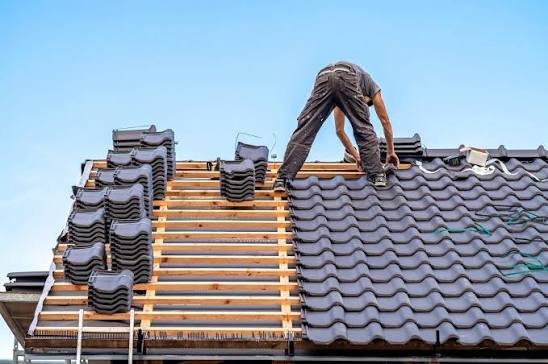
A roof is one of the most important structural components of any residential or commercial property because it protects the building from weather exposure, moisture, temperature changes, and other external elements. Although roofing materials are designed to provide long-lasting protection, every roof eventually experiences deterioration due to aging, continuous exposure, and normal structural wear. Damaged shingles, recurring leaks, weakened flashing, and poor ventilation can gradually affect the condition of the entire roofing structure. When repairs are no longer sufficient to maintain reliable protection, replacing the existing roof becomes an important investment. Professional roof replacement involves much more than removing old shingles and installing new materials. It requires a detailed inspection, careful planning, suitable material selection, proper installation techniques, and attention to every structural detail. A professionally completed roofing project can improve weather resistance, strengthen structural protection, enhance energy efficiency, and increase the overall value of a property. Understanding the different stages of the process helps property owners make informed decisions and choose roofing solutions that provide dependable performance for many years.
Recognizing When Your Roof Needs Replacement
Identifying roofing problems early can help property owners prevent more extensive structural damage and avoid unnecessary repair expenses. One of the most noticeable warning signs is repeated water leakage, particularly when stains appear on ceilings, walls, or attic surfaces. Although a small leak may initially seem manageable, continued moisture exposure can damage insulation, weaken wooden components, encourage mold growth, and affect interior finishes. Missing, cracked, curling, or deteriorating shingles are additional signs that the roofing surface may no longer provide sufficient protection. In older roofing systems, widespread material deterioration can indicate that individual repairs will not provide a dependable long-term solution. A professional inspection helps determine whether the existing structure can be restored or whether a complete roof replacement would be a more practical investment. Property owners should also pay attention to sagging roof sections, damaged flashing, granule accumulation in gutters, and unexplained increases in indoor energy consumption. These conditions may indicate underlying roofing problems that require professional attention before they become more expensive and difficult to manage.
Understanding the Importance of a Strong Roofing Structure
A roofing system consists of several interconnected components that work together to protect the building and maintain its structural integrity. Shingles or other exterior materials provide the first layer of defense against rain, sunlight, wind, and debris, while the underlayment offers additional protection against moisture penetration. Roof decking creates a stable foundation for the roofing materials, and flashing helps prevent water from entering vulnerable areas around chimneys, vents, valleys, and roof edges. Ventilation and insulation also contribute to overall performance by helping regulate temperatures and control moisture within the roofing assembly. During a replacement project, every component should be evaluated rather than focusing exclusively on the visible exterior surface. A properly planned roof replacement addresses deteriorated materials and identifies underlying concerns that could affect the new system. Replacing damaged decking, improving ventilation, and installing appropriate moisture barriers can help create a more durable roofing structure. This comprehensive approach supports long-term protection and reduces the possibility of recurring problems caused by hidden structural deficiencies.
Choosing Suitable Roofing Materials
Selecting the right roofing material is an important decision because different products offer different levels of durability, appearance, maintenance requirements, and weather resistance. Asphalt shingles remain a popular option because they are available in various colors and styles and can provide reliable protection when installed correctly. Metal roofing offers another solution, particularly for property owners interested in durability, longevity, and a modern appearance. Architectural shingles can provide a dimensional finish while offering additional performance characteristics compared with some traditional roofing products. Other available materials may include tile, slate, and specialty roofing systems designed for particular architectural requirements. Before selecting materials, property owners should consider the building’s structural capacity, roof slope, maintenance expectations, budget, and preferred appearance. A professional contractor can explain the advantages and limitations of different products and help determine which option is suitable for the property. Material compatibility is also important because underlayment, flashing, ventilation components, and fastening methods must work together correctly. Making an informed material selection helps ensure that the new roofing system provides an appropriate balance of appearance, performance, and long-term value.
The Role of Professional Roof Inspection
A detailed inspection provides the information necessary to plan a successful roofing project. Simply examining the visible shingles may not reveal the full extent of deterioration because moisture damage and structural weaknesses can develop beneath the exterior surface. Professional inspectors evaluate roofing materials, decking, flashing, valleys, ventilation openings, gutters, and other important components to understand the condition of the complete system. They also look for signs of water infiltration, damaged fasteners, deteriorating sealants, and areas where previous repairs may have failed. This evaluation helps establish which components need attention and whether additional structural work should be included in the project. Before beginning a roof replacement, contractors should explain their findings and discuss the recommended scope of work with the property owner. Clear communication about damaged materials, installation requirements, product options, and expected project timelines helps prevent misunderstandings. A thorough inspection also provides an opportunity to identify ventilation or drainage problems that could affect the performance of the new roof. Addressing these concerns before installation begins creates a stronger foundation for a reliable roofing system.
Preparing the Property for Roofing Work
Proper preparation helps ensure that a roofing project progresses safely and efficiently. Before removing existing materials, contractors should evaluate the surrounding property, identify potential hazards, and organize the work area. Landscaping, outdoor furniture, vehicles, and other belongings may need protection from falling debris during the removal process. Roofing teams also arrange suitable equipment, material storage, waste disposal, and safety measures before beginning major work. Property owners should discuss access requirements, working schedules, and any concerns about noise or temporary disruptions with their contractor. Preparation is especially important when the project involves extensive structural repairs or multiple layers of old roofing materials. A well-organized roof replacement project follows a planned sequence so that the removal of old materials, inspection of the roof deck, installation of protective layers, and placement of new roofing products can be completed efficiently. Contractors should also consider weather conditions because exposing the roof structure during rain or unsuitable conditions can create additional risks. Careful preparation helps protect the property, supports worker safety, and reduces unnecessary interruptions throughout the installation process.
Removing Old Roofing Materials Correctly
Removing the existing roofing materials is a major stage of the replacement process because it allows contractors to examine the underlying structure and identify problems that may have remained hidden. Old shingles, damaged underlayment, deteriorated flashing, and loose fasteners must be removed carefully without causing unnecessary damage to the roof decking. Once the surface is cleared, contractors can inspect the wooden sheathing for signs of moisture penetration, rot, deterioration, or structural weakness. Any damaged sections should be addressed before new materials are installed because placing fresh shingles over an unstable foundation can compromise the entire roofing system. Proper disposal is another important part of the removal process. Roofing debris should be collected and handled responsibly to keep the property organized and reduce safety hazards. An experienced roofing team understands that preparation of the underlying surface is just as important as the appearance of the finished roof. Removing old materials thoroughly allows the contractor to identify hidden issues, make necessary corrections, and establish a clean and stable foundation for the new installation.
Proper Roof Ventilation and Moisture Management
Ventilation is frequently overlooked during roofing projects, even though it has a major influence on the durability of roofing materials and the condition of the attic. Without adequate airflow, warm air and moisture can accumulate beneath the roof, potentially contributing to condensation, mold growth, deteriorating insulation, and premature material damage. During installation, contractors should evaluate existing ventilation openings and determine whether the roofing structure provides sufficient air circulation. Ridge vents, soffit vents, and other ventilation components can work together to support balanced airflow when designed and installed appropriately. Proper ventilation also helps reduce excessive attic temperatures, which may improve indoor comfort and reduce the workload placed on heating and cooling equipment. Moisture management is equally important because water entering through damaged flashing, roof valleys, or poorly sealed penetrations can gradually weaken the underlying structure. Installing appropriate underlayment and carefully sealing vulnerable areas helps protect the roof from water infiltration. These improvements contribute to a healthier roofing assembly and support the long-term performance of the materials installed on the property.
Improving Curb Appeal and Property Value
The roof has a significant influence on the overall appearance of a building because it covers a large and highly visible portion of the exterior. Worn shingles, faded surfaces, missing materials, and inconsistent repairs can make an otherwise attractive property appear neglected. Installing a new roofing system provides an opportunity to improve the exterior appearance while addressing existing structural concerns. Property owners can select shingle colors, textures, and designs that complement siding, exterior paint, windows, and architectural features. Architectural shingles, for example, can provide a dimensional appearance that adds character to the building, while metal roofing may create a clean and contemporary finish. Beyond appearance, buyers often consider roof condition when evaluating a property because an aging or damaged roofing system may represent a significant future expense. A professionally completed roofing project can make a property more appealing to potential buyers by demonstrating that an important structural component has received attention. Although property value depends on many factors, investing in quality materials and professional workmanship can strengthen the property’s overall presentation and provide greater confidence in its condition.
Storm Damage and the Importance of Timely Roofing Solutions
Severe weather can place considerable pressure on roofing materials, particularly when strong winds, heavy rain, hail, and flying debris affect the exterior structure. Storm-related damage may include missing shingles, damaged flashing, loosened roofing components, punctures, and water penetration around vulnerable areas. Some problems are immediately visible, while others may remain hidden beneath the surface until water stains or interior damage begin to appear. After a major weather event, property owners should arrange a professional inspection rather than assuming that a roof is unaffected because there are no obvious leaks. Contractors can document visible damage, examine vulnerable areas, and explain whether targeted repairs or more extensive work may be necessary. Bevi Built provides roofing solutions that include storm damage assistance, inspections, repairs, and complete roofing projects, helping property owners understand the condition of their roofs and the available next steps. Timely attention to weather-related damage can help prevent moisture from spreading into insulation, ceilings, walls, and other structural components. Addressing problems promptly also makes it easier to maintain the property’s condition and avoid additional deterioration.
Why Detailed Workmanship Makes a Difference
The durability of a roofing system depends not only on the quality of its materials but also on how carefully those materials are installed. Incorrect fastening patterns, poorly aligned shingles, improperly installed flashing, and inadequate sealing can create weak points that allow water to enter the structure. Experienced roofing professionals understand how different components must be installed to create a continuous protective surface. Particular attention should be given to roof valleys, ridges, eaves, vents, chimneys, and other transitions where water movement and weather exposure may create additional challenges. Contractors should follow manufacturer guidelines and applicable building requirements while using suitable tools, fastening systems, and protective materials. Attention to these details helps maintain consistent installation quality and supports the expected performance of the roofing products. A professional team should also conduct a final inspection after completing the work, checking material alignment, flashing, ventilation components, and overall cleanliness. Property owners benefit from discussing workmanship expectations and warranty information before the project begins so that they understand what is included and how the finished work will be evaluated.
Maintenance After Installing a New Roof
Although modern roofing products are designed to provide long-lasting protection, regular maintenance remains important for preserving their condition. Leaves, branches, dirt, and other debris can collect on roofing surfaces and inside gutters, potentially interfering with proper water drainage. Blocked gutters may cause water to overflow near the roof edges, while accumulated debris can retain moisture against roofing materials. Property owners should arrange periodic inspections and address small concerns before they develop into more serious problems. Professional roof cleaning can also help remove algae, dirt, and organic buildup when appropriate methods are used for the roofing material. Pressure and cleaning techniques should always be selected carefully to avoid damaging shingles or protective coatings. Bevi Built offers related exterior cleaning services, including roof cleaning, gutter cleaning, pressure washing, and soft washing, which can complement a broader property maintenance routine. Regular maintenance does not eliminate normal material aging, but it can help identify developing concerns and maintain the appearance and functionality of the roofing system. Keeping maintenance records and following manufacturer recommendations can also make it easier to understand the condition of the roof over time.
Making a Confident Investment in Your Property
A major roofing project should be approached with careful consideration because it involves important decisions about materials, workmanship, project costs, and long-term protection. Property owners should request a detailed written estimate that explains the work involved, materials being used, removal and disposal arrangements, and any additional structural repairs that may become necessary. Comparing estimates can help identify differences in product quality and project scope rather than focusing exclusively on the lowest price. It is also important to discuss payment arrangements, warranties, scheduling, and communication expectations before approving the work. Bevi Built emphasizes roofing services that include inspections, repairs, storm damage solutions, and new roofing projects, along with financing options for qualifying customers. These considerations can help property owners plan improvements according to their needs and available budgets. A transparent contractor should explain the condition of the existing structure, recommend appropriate solutions, and provide clear information about the work being performed. Making informed decisions helps reduce uncertainty and creates a stronger foundation for a successful project that protects the building and supports its long-term value.
Conclusion
A dependable roofing system is essential for protecting a property, maintaining structural integrity, and creating a comfortable indoor environment. When existing materials become extensively damaged or reach the end of their useful lifespan, investing in professional roof replacement services can provide a practical long-term solution. From detailed inspections and material selection to proper ventilation, installation, and final cleanup, every stage contributes to the quality of the finished roofing system. Bevi Built offers roofing solutions supported by a focus on honest assessments, quality materials, and careful workmanship. By choosing experienced professionals and maintaining the completed roof properly, property owners can improve exterior appearance, strengthen weather protection, and enjoy greater confidence in their investment for years to come.