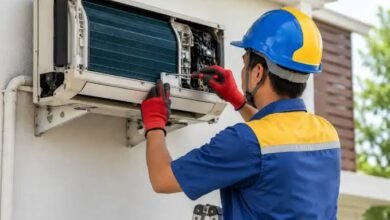
Air Conditioning Maintenance: Reliable Cooling, Better Efficiency, and Lasting Comfort

Introduction
A properly functioning air conditioning system plays an important role in maintaining a comfortable, healthy, and productive indoor environment. Whether installed in a residential property, commercial building, office, retail store, or industrial facility, an air conditioner helps regulate indoor temperatures and manage humidity levels. However, like other mechanical equipment, air conditioning systems require regular attention to maintain their performance and prevent unexpected breakdowns. Dust accumulation, clogged filters, refrigerant problems, damaged electrical components, and poor airflow can gradually affect cooling efficiency. Without proper maintenance, these issues may increase electricity consumption, reduce indoor comfort, and lead to expensive repairs.
Professional air conditioning service is an important part of keeping cooling equipment operating efficiently throughout the year. It involves inspecting system components, cleaning essential parts, checking electrical connections, evaluating refrigerant performance, and identifying potential mechanical problems. Regular servicing can also help extend equipment lifespan and reduce the likelihood of sudden failures during periods of heavy use.
Many property owners overlook small warning signs until their air conditioners stop working properly. Weak airflow, unusual noises, unpleasant smells, water leakage, and inconsistent temperatures can indicate underlying problems that require attention. Understanding how air conditioning systems work and why regular maintenance matters can help homeowners and business owners make informed decisions about equipment care.
Investing in professional maintenance is not simply about keeping a room cool. It is about improving equipment reliability, managing energy consumption, maintaining indoor comfort, and protecting the long-term value of an important property investment.
Understanding How Air Conditioning Systems Work
Air conditioning systems are designed to remove heat from indoor spaces and transfer it outside, helping maintain a comfortable indoor temperature. Most conventional cooling systems use a refrigeration cycle involving a compressor, condenser, expansion device, and evaporator coil. These components work together to circulate refrigerant and transfer heat from one area to another.
The evaporator coil is generally located inside the building and absorbs heat from the indoor air. As warm air passes over the coil, the refrigerant absorbs thermal energy and changes state. The compressor then moves the refrigerant through the system, increasing its pressure and temperature before it reaches the outdoor condenser.
At the condenser, heat is released into the outdoor environment. The refrigerant then passes through an expansion device, where its pressure and temperature decrease before returning to the evaporator coil. This continuous process allows the system to remove heat from indoor spaces and maintain the desired temperature.
Different properties use different types of air conditioning equipment. Common options include split systems, window units, ductless mini-splits, central air conditioning systems, and packaged commercial units. Each system has its own installation requirements, operating characteristics, and maintenance needs.
Understanding the basic operation of an air conditioner makes it easier to recognize why individual components need regular inspection and cleaning. When one part of the system does not operate correctly, the overall cooling performance may be affected.
Common Signs That an Air Conditioner Needs Professional Attention
Air conditioning systems often display warning signs before developing serious mechanical problems. Recognizing these symptoms early can help property owners arrange repairs before a minor issue becomes a major equipment failure.
One common warning sign is insufficient cooling. An air conditioner may continue running without reaching the selected temperature, even when the thermostat settings appear correct. This can happen because of restricted airflow, dirty coils, refrigerant problems, malfunctioning sensors, or compressor-related issues.
Weak airflow from vents is another concern. Blocked filters, dirty blower components, damaged fans, or obstructions within ductwork may prevent conditioned air from circulating properly. This can create uneven temperatures throughout a building and place additional strain on the equipment.
Unusual sounds should also be investigated. Grinding, rattling, buzzing, and squealing noises may indicate loose components, worn bearings, electrical issues, or mechanical damage. Ignoring these sounds can increase the possibility of further deterioration.
Water leaking around an indoor unit may indicate a blocked condensate drain, damaged drain pan, or another moisture-related problem. Musty odors can also suggest accumulated dirt, standing water, or microbial growth within parts of the system.
Unexpected increases in electricity consumption may indicate that the air conditioner is working harder than necessary. A professional inspection can help determine whether maintenance, repairs, or operating adjustments are required.
The Importance of Regular Air Conditioning Maintenance
Routine maintenance helps keep cooling systems operating according to their intended performance specifications. Over time, air filters collect dust, indoor coils accumulate dirt, outdoor units become obstructed, and electrical components may experience wear. These issues can gradually reduce system efficiency.
Regular cleaning helps maintain adequate airflow and supports effective heat transfer. When filters become clogged, the system may need to operate longer to circulate the same amount of air. Dirty coils can also interfere with heat exchange, reducing cooling performance.
Professional inspections provide an opportunity to identify potential mechanical and electrical problems before they result in complete system failure. Technicians can examine important components, evaluate operating conditions, and recommend repairs when necessary.
Maintenance can also help protect indoor comfort. A properly functioning air conditioner is more likely to maintain consistent temperatures and manage indoor humidity effectively.
ENERGY STAR recommends regular professional HVAC maintenance and checking air filters monthly during periods of heavy use. The organization also identifies coil cleaning, condensate drain inspection, electrical connection checks, and airflow evaluation as important maintenance activities.
Establishing a consistent maintenance schedule helps property owners avoid unnecessary equipment stress and maintain reliable cooling throughout changing weather conditions.
Air Filter Cleaning and Replacement
Air filters are essential components because they capture airborne dust, dirt, and other particles before they accumulate inside the cooling system. Clean filters help maintain airflow and reduce the amount of debris that reaches internal equipment components.
When an air filter becomes clogged, airflow may become restricted. This can reduce cooling performance and force the system to operate for longer periods. Over time, restricted airflow may contribute to unnecessary equipment strain and higher operating costs.
Different air conditioning systems use different filter types, sizes, and replacement schedules. Some filters are disposable, while others are reusable and designed to be cleaned according to manufacturer instructions.
Property owners should inspect their filters regularly and follow the manufacturer’s recommendations for cleaning or replacement. The frequency depends on factors such as system usage, filter type, indoor dust levels, pets, and environmental conditions.
It is also important to use the correct filter size and compatible filtration rating. Installing an unsuitable filter may restrict airflow or allow air to bypass the filtration system.
During a maintenance visit, technicians can inspect the filter compartment, evaluate airflow, and recommend an appropriate replacement schedule. Keeping filters clean is a simple but important step toward maintaining efficient cooling performance.
Cleaning Evaporator and Condenser Coils
The evaporator and condenser coils are responsible for transferring heat during the refrigeration process. When these components become dirty, the air conditioner may struggle to remove heat effectively.
The evaporator coil is exposed to indoor airflow and can gradually accumulate dust and other particles, particularly when filters are neglected or improperly installed. Dirt buildup may interfere with heat absorption and contribute to reduced cooling performance.
The condenser coil is located in the outdoor unit and releases heat into the surrounding environment. Because it is exposed to outdoor conditions, it can collect leaves, dust, grass clippings, and other debris.
Cleaning these coils helps restore suitable heat transfer conditions and supports efficient system operation. However, coil cleaning should be performed using appropriate products and methods because delicate fins and other components can be damaged by excessive pressure or unsuitable chemicals.
Technicians may also inspect the outdoor unit for obstructions and confirm that there is adequate clearance around the equipment. Keeping the surrounding area clean helps maintain proper airflow and reduces unnecessary strain.
Regular coil inspection is an important part of preventive maintenance and can contribute to improved cooling performance.
Refrigerant Inspection and Leak Detection
Refrigerant is essential to the operation of an air conditioning system because it absorbs and releases heat as it circulates through the refrigeration cycle. The correct refrigerant type and charge are determined by the equipment manufacturer.
If the refrigerant level is too low, the system may struggle to cool indoor spaces effectively. Potential symptoms include longer operating cycles, reduced cooling output, and abnormal system pressures. However, these symptoms can also result from other mechanical problems, so proper diagnosis is necessary.
A refrigerant shortage may indicate a leak rather than normal consumption. Refrigerant does not simply disappear during ordinary operation in a properly sealed system.
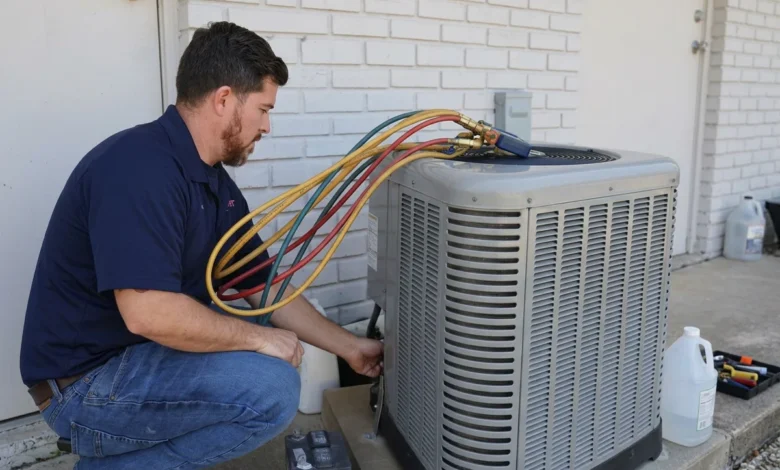
Professional technicians can inspect the system, evaluate operating pressures and temperatures, and use appropriate leak detection methods when necessary. If a leak is identified, it should be repaired before the system is recharged according to manufacturer specifications.
Simply adding refrigerant without addressing an existing leak may provide only temporary improvement while allowing the underlying problem to continue.
Proper refrigerant handling is also important for environmental protection. Qualified technicians should follow applicable regulations and use suitable recovery and handling equipment.
Electrical Component Inspection and Safety
Electrical components play an essential role in air conditioning operation. Compressors, motors, capacitors, control boards, relays, contactors, and wiring connections must function correctly for the equipment to start and operate reliably.
Loose electrical connections can create excessive resistance, overheating, or intermittent operation. Damaged wiring and deteriorating components may also create safety concerns.
During professional maintenance, technicians inspect accessible electrical connections and evaluate important operating components. They may measure voltage and current, inspect capacitors, and check the condition of contactors and control systems.
If an air conditioner frequently trips its circuit breaker, fails to start, or switches off unexpectedly, the problem should be investigated rather than repeatedly resetting the electrical protection device.
Property owners should avoid opening electrical compartments or attempting repairs without appropriate training. Air conditioning equipment contains electrical components that may remain hazardous even when the unit appears to be switched off.
Professional inspections help identify electrical problems and support safer, more dependable equipment operation.
Maintaining Proper Drainage and Indoor Humidity
Air conditioners remove some moisture from indoor air as part of the cooling process. This moisture collects on the evaporator coil and normally drains through a condensate pan and drainage line.
When the drain line becomes blocked by dirt, algae, or other debris, water may accumulate and overflow. This can cause leaks around the indoor unit, damage ceilings or flooring, and contribute to moisture-related problems.
Regular drain inspection helps ensure that condensation can leave the system correctly. Technicians may clean the drain line, inspect the pan, and check for signs of leakage or deterioration.
Humidity control is another important consideration. Excessive indoor humidity can make rooms feel uncomfortable even when the temperature is relatively low. It may also contribute to condensation and conditions that encourage mold growth.
Proper system sizing, suitable airflow, clean coils, and effective drainage all contribute to appropriate humidity management.
A well-maintained air conditioner should provide more than temperature reduction. It should also support a comfortable indoor environment by removing excess moisture under normal operating conditions.
Residential Air Conditioning Solutions
Residential air conditioning systems help maintain comfortable temperatures in bedrooms, living rooms, kitchens, and other household spaces. Because family members spend considerable time indoors, reliable cooling can make a significant difference in everyday comfort.
Homeowners may use split air conditioners, window units, ductless systems, or central cooling equipment depending on the size and layout of their properties.
Each type of system requires suitable maintenance. Split units may need indoor filter cleaning, coil inspections, drain cleaning, and outdoor unit maintenance. Central systems require attention to filters, ductwork, blower assemblies, thermostats, and condensate drainage.
Household habits can also influence equipment performance. Keeping doors and windows closed while cooling is operating helps reduce unnecessary heat entering the property. Curtains and blinds can limit direct sunlight, while ceiling fans may improve air circulation and make rooms feel more comfortable.
A regular maintenance schedule can help homeowners maintain consistent cooling while reducing the likelihood of unexpected breakdowns.
When arranging air conditioning service, property owners should discuss the age of the equipment, previous repair history, cooling concerns, and maintenance requirements with the technician. This information helps support a more accurate inspection and appropriate recommendations.
Commercial Air Conditioning Maintenance
Commercial buildings often have more complex cooling requirements than residential properties. Offices, restaurants, retail stores, hotels, healthcare facilities, and warehouses may depend on larger systems to maintain comfortable indoor conditions.Commercial air conditioning equipment may include rooftop units, central cooling systems, ducted equipment, chillers, and multiple split systems. These installations can contain extensive ductwork, electrical controls, and specialized components.
A cooling failure in a commercial building may affect employees, customers, business operations, and valuable equipment. For businesses that depend on temperature-sensitive environments, consistent system performance can be especially important.
Preventive maintenance helps commercial property managers identify problems before they interrupt normal operations. Inspections may include checking filters, coils, fans, electrical connections, thermostats, condensate drainage, and system controls.
Maintenance schedules should reflect the equipment type, operating hours, building occupancy, and manufacturer’s recommendations. Systems that operate continuously or serve heavily occupied spaces may require more frequent inspections.Professional maintenance also provides an opportunity to evaluate energy efficiency and identify operational improvements that may reduce unnecessary electricity consumption.
Improving Air Conditioning Energy Efficiency
Energy efficiency is an important consideration because cooling equipment can account for a substantial portion of electricity consumption in many buildings. An inefficient air conditioner may run longer than necessary, increasing utility expenses while providing less effective cooling.
One of the simplest ways to support efficient operation is to keep air filters clean. Restricted airflow can force equipment to work harder and may contribute to premature component wear.Maintaining clean indoor and outdoor coils is another important step. Dust and debris interfere with heat transfer, reducing the system’s ability to remove heat efficiently.
Thermostat settings can also influence energy consumption. Setting a reasonable indoor temperature and avoiding unnecessarily low settings can help reduce excessive cooling demand.
Sealing gaps around doors and windows helps prevent cooled air from escaping. Adequate insulation can also reduce heat entering the building, allowing the air conditioner to operate more efficiently.Property owners may consider programmable or smart thermostats to manage cooling schedules according to occupancy. These devices can help prevent unnecessary operation when spaces are unoccupied.
Regular professional inspections can identify problems such as poor airflow, refrigerant issues, damaged components, and inefficient operating settings. Addressing these issues can improve performance and support more responsible energy use.
Choosing the Right Air Conditioning Contractor
Selecting an experienced contractor is important for maintaining reliable cooling equipment. A professional technician should understand different air conditioning technologies, diagnostic procedures, electrical safety, refrigerant handling, and manufacturer maintenance requirements.
Property owners should begin by reviewing the contractor’s experience with the type of equipment installed in their building. A technician who regularly works with similar systems may be better prepared to identify common problems and recommend suitable solutions.Qualifications, insurance, relevant licenses, and customer feedback should also be considered. Where applicable, technicians should have the required certifications for handling refrigerants and performing specialized work.
Clear communication is another important factor. A dependable contractor should explain the inspection findings, identify the cause of any performance problems, and provide a detailed estimate before undertaking additional repairs.
Service agreements should clearly explain which maintenance activities are included, how often visits occur, and whether replacement parts or emergency repairs involve additional charges.
Homeowners and business managers should avoid choosing a provider solely because of an unusually low price. The quality of workmanship, technical knowledge, equipment availability, and transparency of communication are equally important.
Understanding the Cost of Air Conditioning Maintenance and Repairs
The cost of maintaining or repairing an air conditioning system depends on several factors. These include the equipment type, system capacity, age, accessibility, condition, and complexity of the required work.
Basic maintenance may involve cleaning filters, inspecting coils, checking drainage, and evaluating general operating performance. More extensive services may require electrical repairs, fan motor replacement, capacitor replacement, leak detection, refrigerant-related work, or control system troubleshooting.
The size and design of the system can also affect labor requirements. A small residential split unit may require less inspection time than a large commercial installation with multiple components and extensive ductwork.
The condition of the equipment is another important consideration. Systems that have received regular maintenance may require fewer corrective repairs than neglected units.
Property owners should request written estimates that explain the recommended work, labor charges, parts, and any additional expenses. Comparing quotations according to the actual services included can help identify a suitable contractor.Regular maintenance may require an ongoing investment, but it can help reduce avoidable breakdowns and protect valuable cooling equipment over time.
When to Repair or Replace an Air Conditioning System
Air conditioning equipment eventually reaches a point where replacement may become more practical than continued repairs. The decision depends on the system’s age, overall condition, energy efficiency, repair history, and the cost of restoring reliable operation.
Frequent breakdowns can indicate that important components are approaching the end of their useful service life. If a system repeatedly requires expensive repairs, replacing it may provide better long-term value.Older equipment may also consume more electricity than modern high-efficiency models. A replacement system with appropriate capacity and suitable energy performance may reduce operating expenses.
However, age alone should not determine whether an air conditioner needs replacement. Some systems remain reliable for many years when properly maintained, while newer equipment can experience premature problems because of poor installation or inadequate maintenance.
Before recommending replacement, a qualified technician should inspect the equipment and explain whether the problem can be corrected through maintenance or repair.
Correct system sizing is also essential when installing new equipment. An oversized unit may cycle too frequently, while an undersized unit may struggle to maintain comfortable temperatures during periods of high cooling demand.A careful evaluation helps property owners make a financially sensible decision.
The Long-Term Benefits of Professional Air Conditioning Care
Regular professional maintenance provides benefits that extend beyond immediate cooling performance. It helps protect expensive equipment, improve operating reliability, and reduce the possibility of unexpected mechanical failures.
Clean filters, properly maintained coils, effective drainage, and suitable refrigerant conditions support the operation of essential system components. Routine inspections can also identify worn parts before they cause more extensive damage.Another benefit is improved comfort. A properly functioning system is better equipped to maintain consistent indoor temperatures and manage humidity during normal operating conditions.
Professional maintenance may also help reduce unnecessary energy consumption by identifying restricted airflow, dirty components, and other efficiency-related problems.
Property owners can benefit from keeping maintenance records that document inspections, repairs, replaced parts, and equipment performance. These records can make future troubleshooting easier and help contractors understand the system’s history.Investing in regular maintenance is a practical way to protect an air conditioning system and support comfortable indoor conditions over the long term.
Conclusion
Air conditioning systems are essential for maintaining comfortable indoor environments in residential and commercial properties. However, reliable cooling depends on proper installation, routine maintenance, and timely attention to developing problems. Dirty filters, contaminated coils, refrigerant leaks, electrical faults, and blocked drainage systems can all affect equipment performance when neglected.
Professional maintenance provides a structured approach to inspecting, cleaning, and evaluating important air conditioning components. It helps identify potential problems, improve airflow, maintain effective heat transfer, and protect valuable mechanical equipment.
Property owners should also develop simple maintenance habits, including checking filters regularly, keeping outdoor units clear of debris, monitoring thermostat performance, and paying attention to unusual noises or water leaks. These measures, combined with periodic professional inspections, can help reduce unnecessary equipment stress.
Choosing a qualified contractor is equally important. Experienced technicians can evaluate system performance, recommend suitable repairs, and explain when replacement may offer better long-term value.
Ultimately, investing in professional air conditioning service helps maintain dependable cooling, supports energy efficiency, and protects the lifespan of essential equipment. With appropriate care and a consistent maintenance plan, homeowners and business owners can enjoy a more comfortable indoor environment while reducing the risk of unexpected cooling problems.