
Flood Damage Cleanup: Essential Steps to Restore Your Property and Prevent Further Damage

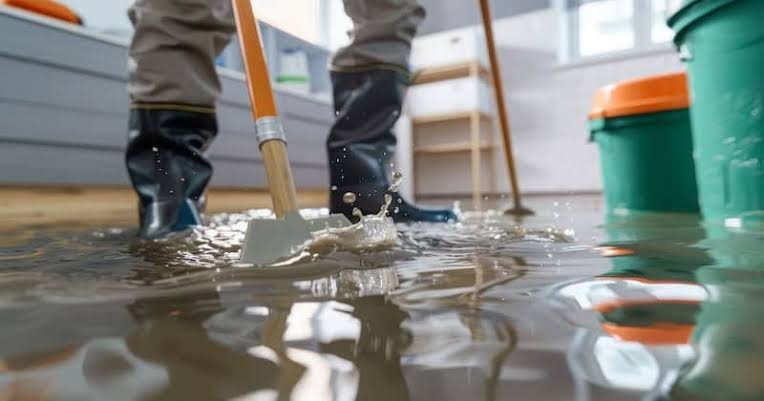
Flooding can cause significant damage to residential and commercial properties, affecting everything from flooring and walls to electrical systems, furniture, personal belongings, and structural components. Whether caused by heavy rainfall, overflowing drainage systems, plumbing failures, or natural disasters, unwanted water can spread quickly and create serious problems if it is not addressed promptly. Even a relatively small amount of standing water can penetrate porous materials, damage building components, and create conditions that encourage mold growth. Taking immediate action is essential for protecting the property, limiting additional damage, and restoring a safe indoor environment.
Professional flood damage cleanup involves much more than removing visible water from floors. It includes assessing the extent of the damage, extracting standing water, drying affected materials, cleaning contaminated surfaces, disinfecting appropriate areas, and repairing damaged structures. Each stage requires proper equipment, suitable cleaning products, and an understanding of how moisture affects different building materials. Property owners who respond quickly and work with experienced restoration professionals can often reduce the severity of damage and avoid unnecessary repair expenses. Understanding the cleanup process, common causes of flooding, restoration methods, and preventive measures can help homeowners and business owners make informed decisions when unexpected water damage occurs.
Understanding the Causes of Flood Damage
Flood damage can develop from several different sources, and identifying the cause is an important part of the restoration process. Heavy rainfall is one of the most common contributors, particularly when drainage systems cannot handle large volumes of water. When rainwater accumulates around a building, it may enter through doors, windows, foundations, basement openings, and other vulnerable areas.
Plumbing failures can also cause extensive indoor water damage. Burst pipes, leaking supply lines, broken appliances, overflowing toilets, and damaged water heaters may release substantial amounts of water into living or working spaces. These incidents can affect multiple rooms and may remain unnoticed until visible damage appears.
Roof leaks and damaged exterior structures are additional sources of unwanted moisture. Missing shingles, deteriorated flashing, blocked gutters, and damaged roof connections can allow rainwater to enter ceilings and walls.
Sewer backups are particularly concerning because they may introduce harmful microorganisms and contaminants into indoor environments. This type of flooding requires specialized cleaning and disinfection procedures rather than ordinary household cleaning.
Understanding the source of flooding helps restoration professionals determine the appropriate cleanup methods and identify any underlying problems that must be corrected before repairs begin.
Why Immediate Flood Damage Cleanup Is Important
Taking prompt action after flooding can make a significant difference in the amount of damage a property experiences. Water can spread beneath flooring, enter wall cavities, soak insulation, and affect structural materials within a relatively short period.
One of the biggest concerns is prolonged moisture exposure. Materials such as drywall, carpeting, wood, and insulation can absorb water and lose their original strength or appearance. If these materials remain wet, they may require extensive removal and replacement.
Mold growth is another major concern. Damp environments can encourage mold development, particularly when affected materials are not dried appropriately. Mold may produce unpleasant odors and create indoor air quality concerns.
Electrical systems also require careful attention. Water exposure can damage wiring, outlets, appliances, and electrical panels, creating potential fire and shock hazards.
Quick water removal and professional drying help reduce these risks. However, property owners should never enter areas containing standing water if electrical hazards or structural instability may be present. Qualified professionals should assess potentially dangerous conditions before cleanup activities begin.
Initial Assessment After a Flood
A proper restoration project begins with a detailed assessment of the affected property. Professionals inspect visible damage, identify moisture sources, and determine how far water has spread throughout the building.
The inspection generally includes checking floors, walls, ceilings, furniture, insulation, and other building components. Moisture detection equipment may be used to identify hidden water that cannot be seen during an ordinary visual inspection.
The type of water involved is another important consideration. Clean water from certain supply lines may require different treatment than water from storm flooding or sewage backups. Floodwater can contain dirt, chemicals, bacteria, and other contaminants, making appropriate protective equipment and specialized cleaning procedures necessary.
Restoration professionals also evaluate whether structural materials can be dried and restored or whether they need to be removed. Porous materials that have absorbed contaminated water may require disposal according to applicable safety guidelines.
A detailed assessment provides the foundation for a suitable restoration plan and helps property owners understand the work required to return the building to a safe and functional condition.
Water Extraction and Removal Services
Removing standing water is one of the first major stages of flood restoration. Water left inside a property can continue damaging flooring, walls, furniture, and structural components.
Professional restoration companies use specialized equipment to extract water efficiently. Depending on the amount of water and the affected surfaces, this may include powerful pumps, wet vacuums, and commercial extraction machines.
Water extraction should cover more than the most visible puddles. Moisture can collect beneath carpets, inside floor assemblies, behind baseboards, and in other concealed spaces.
After standing water has been removed, technicians evaluate the remaining moisture levels to determine the drying requirements. Removing surface water alone is not sufficient because building materials may continue holding substantial amounts of moisture.
Professional extraction helps prepare the property for the next stages of restoration, including drying, cleaning, and repairs.
Structural Drying and Moisture Control
Structural drying is an essential part of flood restoration because moisture can remain trapped inside building materials even after visible water has been removed.
Commercial air movers help circulate air across affected surfaces, while industrial dehumidifiers remove excess moisture from the indoor environment. These machines work together to accelerate evaporation and support controlled drying.
Technicians may monitor humidity levels, temperature, and moisture content throughout the restoration process. Moisture meters and thermal imaging equipment can help identify areas that require additional attention.
Drying times depend on several factors, including the amount of water involved, the materials affected, ventilation conditions, and the extent of hidden moisture.
Wood flooring, drywall, insulation, and other porous materials may require specialized evaluation before they can be considered adequately dry.
Proper drying is important because premature reconstruction can trap moisture inside walls and floors. This may contribute to mold development, material deterioration, and recurring odor problems.
Mold Prevention and Remediation After Flooding
Mold prevention is one of the most important considerations after water damage. Mold can develop when moisture remains present on suitable surfaces, particularly in areas with limited ventilation.
Carpets, drywall, insulation, wooden materials, and other porous components may become vulnerable after prolonged water exposure.
The first step in preventing mold problems is controlling moisture. Standing water should be removed, affected materials should be evaluated, and the building should be dried appropriately.
Professional restoration teams inspect areas where moisture may remain hidden, including wall cavities, flooring assemblies, basements, and spaces behind cabinets.
If mold is already present, the affected area may require specialized remediation. This can involve isolating the work area, using appropriate protective equipment, removing contaminated materials, cleaning suitable surfaces, and addressing the original moisture source.
Simply covering mold with paint or applying household cleaning products may not solve the underlying problem. Proper assessment and remediation are important for preventing recurring growth.Property owners should seek qualified assistance when mold contamination is extensive, involves HVAC systems, or affects areas that are difficult to access.
Cleaning and Sanitizing Flood-Affected Areas
After water extraction and initial drying, affected surfaces need appropriate cleaning. Floodwater can introduce dirt, debris, microorganisms, and other contaminants into the property.
The cleaning method depends on the type of water involved and the materials affected. Nonporous surfaces may often be cleaned and disinfected using suitable products, while heavily contaminated porous materials may need removal.
Floors, walls, countertops, fixtures, and other salvageable surfaces should be evaluated individually. Restoration professionals select cleaning methods according to material compatibility and contamination levels.Disinfection is especially important when flooding involves sewage or contaminated outdoor water. Specialized procedures may be necessary to reduce exposure to harmful microorganisms.
Cleaning should also address hidden areas where contaminated water may have collected. Baseboards, floor edges, cabinets, and wall cavities may require additional inspection.A thorough cleaning process helps restore hygienic conditions and prepares the property for repairs and reconstruction.
Restoring Flood-Damaged Flooring
Flooring is often one of the most visibly affected parts of a property after flooding. Water can damage carpets, hardwood, laminate, vinyl, tile, and the underlying subfloor.
Carpet and padding can absorb large amounts of water, making them difficult to dry completely. Depending on the source of contamination and the extent of saturation, replacement may be necessary.Hardwood flooring may swell, warp, separate, or develop discoloration after prolonged moisture exposure. Some flooring may be salvageable through professional drying and refinishing, while severely damaged sections may require replacement.
Laminate flooring can be particularly vulnerable because moisture may enter through joints and damage the internal layers. Once swelling or separation occurs, replacement is often necessary.
Tile surfaces may appear unaffected, but water can penetrate grout lines and reach the underlying substrate. The condition of the subfloor and supporting materials should therefore be assessed.Professional inspections help determine whether existing flooring can be restored safely or whether new materials are required.
Repairing Walls, Ceilings, and Insulation
Floodwater can affect walls and ceilings even when the damage is not immediately visible. Moisture may travel through drywall, insulation, wooden framing, and interior finishes.
Drywall can absorb water and become soft, swollen, or discolored. In cases involving extensive contamination or prolonged saturation, removal and replacement may be necessary.
Insulation can also retain moisture and lose some of its intended performance. Wet insulation may need to be removed, particularly when it cannot be dried effectively or has been exposed to contaminated water.
Ceilings require careful inspection because water may collect above them and cause staining, sagging, or deterioration. Damaged ceiling materials should not be disturbed until the area has been assessed for potential structural and electrical hazards.
Once affected materials have been properly removed or dried, reconstruction can begin. This may include replacing insulation, installing new drywall, repairing framing, applying primer, and repainting surfaces.Addressing hidden moisture before reconstruction is essential for achieving durable results.
Electrical and HVAC System Inspection
Floodwater can create serious problems for electrical and heating, ventilation, and air conditioning systems. These components should be inspected before normal operation resumes.
Electrical outlets, wiring, circuit breakers, appliances, and electrical panels may become unsafe after water exposure. Property owners should avoid touching wet electrical equipment and arrange an assessment by a qualified electrician.HVAC systems also require attention because moisture and contaminants may enter ductwork, filters, air handlers, and other components. Operating a contaminated system may distribute unwanted particles throughout the building.
Professional technicians can determine whether affected components require cleaning, drying, repair, or replacement.
Heating and cooling equipment should only be restarted after appropriate inspections confirm that it is safe to operate.Taking these precautions helps protect occupants and reduces the likelihood of additional problems during the restoration process.
Residential Flood Damage Restoration
Residential properties can experience flooding in several areas, including basements, kitchens, bathrooms, bedrooms, garages, and living spaces.
Basements are particularly vulnerable because they are often below ground level and may experience water intrusion through foundation openings, drainage failures, or plumbing problems.Kitchen and bathroom flooding may result from damaged supply lines, overflowing fixtures, appliance failures, or plumbing leaks.
Residential restoration generally involves water extraction, structural drying, cleaning, damage assessment, and necessary repairs. Personal belongings and furniture may also require separate evaluation.
Homeowners should prioritize safety and avoid using electrical equipment in affected areas until the property has been assessed.Professional restoration services can help coordinate different stages of the project and identify materials that need replacement. This allows homeowners to focus on recovering their living environment while qualified technicians address the technical aspects of the restoration.
Commercial Flood Damage Cleanup
Commercial buildings often require a more extensive restoration approach because flooding can affect large spaces, business equipment, inventory, office furniture, and essential operations.
Retail stores, restaurants, warehouses, office buildings, hotels, and industrial facilities may experience significant disruption when water enters their premises.Commercial restoration may involve large-scale water extraction, structural drying, specialized cleaning, equipment recovery, and reconstruction.
Businesses also need to consider employee safety, customer access, inventory protection, and operational continuity. A detailed restoration plan can help property managers prioritize essential areas and coordinate repairs.Some commercial facilities contain sensitive equipment, electrical systems, or stored materials that require specialized handling.Working with experienced restoration professionals can help businesses assess the damage, organize the cleanup process, and restore usable areas as efficiently as conditions allow.
Understanding Flood Damage Cleanup Costs
The cost of restoring a flooded property depends on several factors, including the amount of water, the source of contamination, the size of the affected area, and the materials requiring repair or replacement.
Minor water damage involving a limited area may require extraction, drying, and localized repairs. Extensive flooding can involve structural drying, removal of damaged materials, mold remediation, electrical inspections, and major reconstruction.The type of flooring, wall construction, insulation, and interior finishes can also influence the total cost.
Accessibility is another consideration. Properties with concealed moisture, difficult-to-reach areas, or multiple affected floors may require additional labor and specialized equipment.
Property owners should request a detailed written estimate that explains the restoration work, equipment requirements, materials, labor, and potential additional expenses.If the property is insured, documentation and communication with the insurance provider may also influence the process. Keeping photographs, receipts, inspection reports, and repair estimates can help support an insurance claim.
How to Choose a Professional Restoration Company
Selecting a qualified restoration provider is an important decision because flood damage involves several technical and safety considerations.Property owners should look for companies with relevant restoration experience, trained technicians, suitable equipment, and a clear understanding of moisture control procedures.
It is useful to ask whether the company provides water extraction, structural drying, cleaning, mold remediation, and reconstruction services. Some providers manage the entire restoration process, while others specialize in specific stages.Customer reviews and references can provide insight into service quality, communication, scheduling, and professionalism.
Property owners should also verify appropriate licensing, insurance, certifications, and local regulatory compliance where applicable.A dependable contractor should explain the inspection findings, recommend suitable restoration methods, and provide a written scope of work.
Avoid companies that guarantee complete restoration before inspecting the property or pressure customers into signing agreements without explaining the proposed services.Choosing experienced professionals can help reduce uncertainty and support a more organized recovery process.
Preventing Future Flood Damage
Although not every flooding event can be prevented, property owners can take several steps to reduce the risk of future water damage.
Regularly inspecting roofs, gutters, downspouts, and drainage systems can help identify problems before heavy rainfall occurs. Blocked gutters and damaged roof components may allow water to collect near vulnerable parts of the building.Plumbing systems should also be checked periodically for leaks, corrosion, and worn connections. Replacing aging hoses and maintaining appliances can help reduce the possibility of unexpected water releases.
Foundation cracks and damaged exterior seals should be evaluated and repaired when necessary. Proper grading around the building can help direct rainwater away from the structure.Sump pumps and other drainage equipment may provide additional protection in properties where basement flooding is a concern. These systems should be maintained and tested according to manufacturer recommendations.
Property owners can also consider installing water leak detection devices and automatic shutoff systems where appropriate.Developing a basic emergency plan and keeping important documents in a secure location can make it easier to respond when flooding occurs.
The Importance of Documentation and Insurance Coordination
Insurance documentation can be an important part of the recovery process following flood damage. Property owners should record visible damage and affected belongings before extensive cleanup begins, provided it is safe to do so.Photographs and videos can help establish the condition of the property and document the extent of water intrusion.
It is also useful to maintain records of restoration expenses, temporary accommodation, damaged furniture, and professional inspections.Insurance coverage varies depending on the policy and the source of flooding. Standard homeowners insurance, for example, may treat sudden plumbing leaks differently from external flood events.
Property owners should contact their insurance provider promptly to understand applicable coverage, documentation requirements, and approved procedures.Restoration professionals may assist with inspection reports and repair estimates, although insurance approval and coverage decisions remain with the insurer.
Keeping communication organized can help reduce confusion and make the claims process easier to manage.
Common Mistakes to Avoid After Flooding
One common mistake is delaying water removal because the visible damage appears minor. Moisture can spread into concealed areas and create additional problems even when the surface initially looks manageable.
Another mistake is using ordinary household fans without checking the extent of moisture inside walls, floors, and insulation. Surface drying does not necessarily mean the building has been completely dried.Attempting to operate electrical equipment in wet areas can create serious safety hazards. Electrical systems should be assessed by qualified professionals before use.
Ignoring contaminated water is another major concern. Floodwater from external sources and sewage backups may contain harmful substances and should not be treated like clean water from a controlled plumbing source.
Property owners should also avoid covering damp walls or installing new flooring before moisture levels have been evaluated. Trapped moisture can contribute to recurring deterioration and mold problems.Finally, attempting extensive restoration without suitable equipment or protective measures can expose occupants to unnecessary risks.
Conclusion
Flooding can cause extensive damage to residential and commercial properties, affecting structural materials, flooring, electrical systems, furniture, and indoor air quality. Responding quickly and following an organized restoration process is essential for limiting additional damage and returning the property to a safe, functional condition.
Professional flood damage cleanup includes several important stages, such as initial assessment, water extraction, structural drying, cleaning, sanitization, mold remediation, and reconstruction. Each stage requires suitable equipment and methods based on the source of flooding and the materials involved.
Property owners should prioritize safety, document visible damage, contact their insurance provider when applicable, and seek assistance from experienced restoration professionals. Preventive maintenance, effective drainage, plumbing inspections, and appropriate water detection systems can also help reduce the likelihood of future problems.
Ultimately, successful flood restoration involves more than removing standing water. It requires identifying the underlying source, addressing hidden moisture, restoring damaged materials, and taking steps to protect the building against future incidents. With prompt action and professional support, homeowners and business owners can recover from water-related emergencies and protect the long-term condition of their properties.
