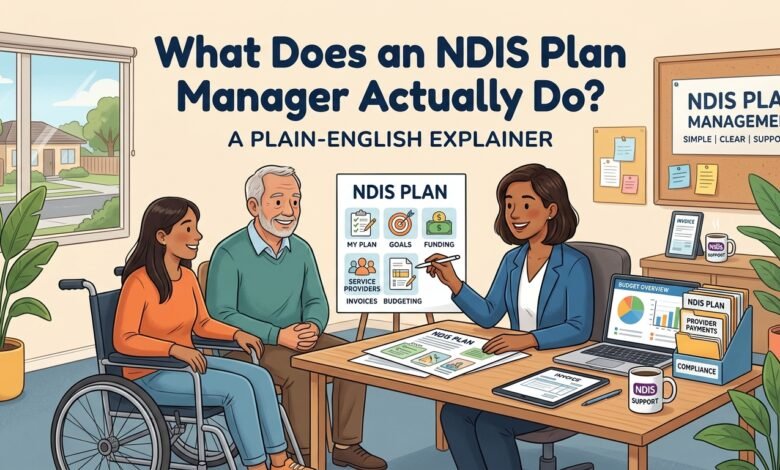
Ask a group of NDIS participants what confuses them most, and funding management comes up quickly. Invoices, budgets, claims, price limits, and record keeping can feel like a second job, especially on top of managing disability supports. That’s the gap plan management is designed to fill.
If you’re weighing up ndis plan management melbourne services against other ways of managing your funds, this guide explains what a plan manager does, how it compares with other options, and what to check before choosing.
Three Ways to Manage NDIS Funding
Every plan has a funding management type, and you may be able to choose or change it. The main options are:
Agency-managed. The National Disability Insurance Agency (NDIA) pays providers directly. You can only use registered providers, and you don’t handle payments yourself.
Self-managed. You receive and manage the funds yourself. You pay providers, keep records, and claim payments. This gives maximum flexibility, but also the most responsibility.
Plan-managed. A plan manager handles payments and financial administration on your behalf. You keep the freedom to choose registered or unregistered providers, without having to do the bookkeeping.
Many participants find plan management a good middle ground between control and convenience.
What a Plan Manager Does
A plan manager’s core role is handling the money side of your plan. Typical tasks include:
- Paying invoices from your providers on time
- Checking invoices against your plan, service agreements, and price limits
- Tracking your budget across support categories
- Providing regular statements so you know what has been spent and what remains
- Managing claims with the NDIA
- Keeping records that are ready if the NDIA or auditors ask for them
- Answering questions about what your funding can and can’t be used for
Some also help with creating service agreements or understanding your plan in detail, though the exact services vary between providers.
What a Plan Manager Doesn’t Do
It’s useful to understand the limits. A plan manager is not the same as a support coordinator. Plan managers handle finances; support coordinators help you find providers, build your supports, and make the most of your plan. Some participants have both funded in their plan.
A plan manager also doesn’t decide which supports you should choose or change your goals. Those decisions remain yours.
Why Participants Choose Plan Management
Common reasons include:
- Less paperwork. No chasing invoices or filing claims.
- Choice of providers. Access to both registered and unregistered providers.
- Budget clarity. Regular updates make it easier to avoid overspending or underspending.
- Reduced stress. Fewer financial admin tasks mean more energy for goals.
- Prompt payments. Providers get paid on time, which can help maintain good relationships.
- Compliance support. Records are kept in line with scheme requirements.
Funding for Plan Management
When plan management is approved in your plan, the funding for it sits in a separate category, so it doesn’t reduce the budget for your actual supports. If plan management isn’t in your plan but you’d like it, you can discuss it at your plan review or request a change, explaining why it would help you.
Choosing a Plan Manager
Not all plan managers work the same way. When comparing options, consider:
Payment Speed and Reliability
Ask how quickly invoices are paid after they’re received and approved. Delays can affect your relationships with providers.
Communication and Support
Check how you can reach them: phone, email, an online portal, or an app. Find out how quickly they typically respond and who your contact person will be.
Reporting and Transparency
You should be able to see what’s been spent, on what, and what remains. Ask how often you receive statements and in what format.
Ease of Use
If you or your family will use an online portal, check that it’s accessible and straightforward. Ask whether support is available for people who prefer phone calls or printed statements.
Fees and Conditions
Plan management is funded through the NDIS, but ask whether any other charges might apply. Be wary of anything that seems unclear.
Understanding of Your Needs
A good plan manager takes time to understand your circumstances, including your preferred communication style, cultural needs, and any additional help you need.
Questions to Ask Before Signing Up
- How quickly do you pay invoices?
- How will I see my budget and spending?
- Who will be my main contact?
- How do you handle invoices that don’t match my plan?
- What happens if a provider disputes a payment?
- How do you protect my personal information?
- How easy is it to change plan managers later?
Switching Plan Managers
You are not locked in. If things aren’t working, you can change plan managers, usually by giving notice and arranging a handover. Check your agreement for any notice requirements, and make sure your records transfer smoothly.
Tips for Working With Your Plan Manager
- Share your service agreements so invoices can be checked accurately.
- Tell providers who your plan manager is and make sure invoices are sent to them.
- Review statements regularly to catch errors early.
- Ask questions whenever something is unclear.
- Notify them of plan changes or reviews, so budgets stay up to date.
Final Thoughts
Plan management can take much of the financial admin out of the NDIS while keeping your choice of providers. If paperwork is a burden, or you simply want clearer budgeting, it’s worth considering. Understand what a plan manager does, compare your options carefully, and choose someone who communicates clearly and pays on time. That way, more of your time and energy can go towards the goals your plan is meant to support.