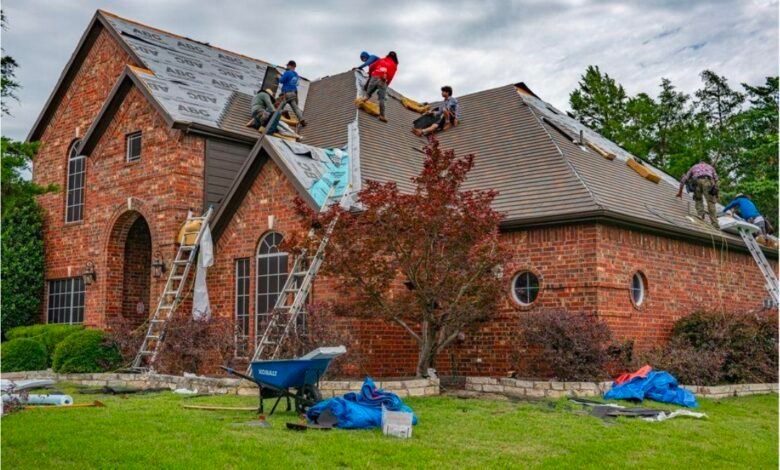
Replacing a roof involves more than choosing new shingles and scheduling installation. It requires understanding your home’s condition, comparing materials, and planning for costs that may not be obvious at first. In Chatsworth, California, prolonged sunshine, high temperatures, and seasonal winds can influence how roofing materials perform over time. A carefully planned replacement helps protect the structure beneath your roof while improving its appearance and potentially its energy performance. Knowing what to evaluate before work begins makes the entire process easier to manage.
Recognize When Repairs Are No Longer Enough
Roofing problems often develop gradually. A missing shingle may seem insignificant until water reaches the decking beneath it. Cracked materials, recurring leaks, and damaged flashing can indicate that the roof needs professional attention.
Age matters, but it should not determine replacement on its own. Installation quality, ventilation, previous repairs, and exposure to weather all affect how long a roof remains serviceable.
Look for changes you can safely observe from the ground. Uneven rooflines, damaged shingles, or stains appearing on interior ceilings deserve investigation.
An inspection can establish whether repairs remain practical or whether widespread deterioration makes replacement the better investment. Avoid climbing onto a damaged roof yourself.
Understand What a Complete Replacement Involves
A roof is a system rather than a single protective layer. Beneath the visible material are components responsible for managing moisture, ventilation, and structural support.
Depending on the project’s scope, replacement may involve removing existing roofing, inspecting the decking, installing underlayment, replacing flashing, and fitting new shingles or metal panels.
Homeowners exploring roofing Chatsworth have plenty of options when it comes to roof replacement services. However, choosing the right contractor requires considering material quality, installation expertise, and warranty coverage. Metal and asphalt shingle roofing are two popular choices, each offering distinct benefits. Metal roofing provides durability and resistance to harsh weather, while asphalt shingles offer affordability, versatility, and a traditional appearance. The best choice depends on the home’s structure, budget, and long-term maintenance needs.
A detailed assessment should establish which materials and installation methods are appropriate for the property.
Choose Materials for Performance and Appearance
Different roofing materials offer different combinations of cost, durability, maintenance, and visual appeal.
Asphalt shingles remain a common choice because they are versatile and generally have a lower initial cost than many premium alternatives. Architectural shingles can provide a more dimensional appearance.
Metal roofing often costs more initially but can offer a longer service life when correctly specified and installed. Its performance depends on panel design, fastening systems, coatings, and maintenance.
Other materials may suit particular architectural styles, although their weight and structural requirements need consideration.
The right choice depends on roof slope, structural capacity, household budget, and long-term plans. Appearance matters, but it should never outweigh suitability for the building.
Consider Heat and Energy Performance
Roofing materials influence how much solar heat a building absorbs. Dark surfaces generally absorb more sunlight, while specially designed reflective products can reduce heat gain.
The guide to cool roofs explains how reflective roofing can help buildings remain cooler and potentially reduce air-conditioning demand.
However, color alone does not determine energy performance. Solar reflectance, thermal emittance, insulation, and attic ventilation all contribute to the result.
Ask contractors whether suitable reflective products are available for your chosen roofing system. Consider the complete roof assembly instead of assuming that one material automatically guarantees lower utility bills.
Energy savings depend on building characteristics and operating conditions, so avoid treating promotional estimates as guaranteed outcomes.
Examine Estimates Beyond the Final Price
Roof replacement estimates should explain what is included, not merely provide a total.
Compare material specifications, removal procedures, underlayment, flashing, ventilation work, labor, cleanup, and disposal. Ask whether damaged decking will be billed separately and whether unexpected repairs require approval.
A low estimate may exclude important components that another contractor includes. Conversely, a higher quote does not automatically indicate superior workmanship.
Review payment schedules and warranty terms before signing. Understand which protections come from the manufacturer and which cover installation labor.
Clear documentation protects both parties and reduces disagreements when the project begins.
Prepare Your Home for Installation
Roof replacement creates noise, vibration, and temporary disruption. Preparing the property helps crews work efficiently while protecting your belongings.
Move vehicles away from work areas and keep access routes clear. Remove fragile decorations from walls or shelves that might be affected by vibration. Items stored in the attic may need protection from dust and falling debris.
Discuss delivery arrangements, work hours, landscaping protection, and cleanup expectations with the contractor.
Also establish how weather delays will be handled. Exposed roof areas require appropriate protection if conditions change during installation.
A realistic schedule is more valuable than an optimistic promise that leaves no room for complications.
Know What Quality Installation Looks Like
Good roofing performance depends heavily on workmanship. Even premium materials can fail prematurely when flashing, fasteners, or ventilation components are installed incorrectly.
Ask how the contractor will inspect the underlying structure and address areas around chimneys, vents, and roof transitions. These details deserve attention because water often enters through vulnerable connections.
The roofing best practices guide discusses how roof condition, installation, maintenance, and weather exposure influence performance.
Before final payment, review completed work and request relevant warranty documents. Confirm that debris has been removed and any outstanding concerns have been addressed.
Photographs of concealed installation stages can also provide useful documentation.
Protect Your Investment After Replacement
A new roof still requires attention. Leaves, blocked drainage, damaged flashing, and severe weather can create problems even when installation was completed correctly.
Inspect visible areas periodically from a safe location and arrange professional assessments when damage is suspected. Keep gutters clear, maintain ventilation, and address minor concerns before moisture reaches interior materials.
Store contracts, inspection records, material information, and warranties together. These documents can help with future repairs or property transactions.
Ultimately, successful roof replacement comes from informed decisions rather than rushing toward the lowest quote. Choose appropriate materials, understand the installation process, and work with qualified professionals who communicate clearly. A dependable roof begins with careful planning and continues with sensible maintenance.