AI Art and Digital Creativity: How Artificial Intelligence Is Changing Visual Design

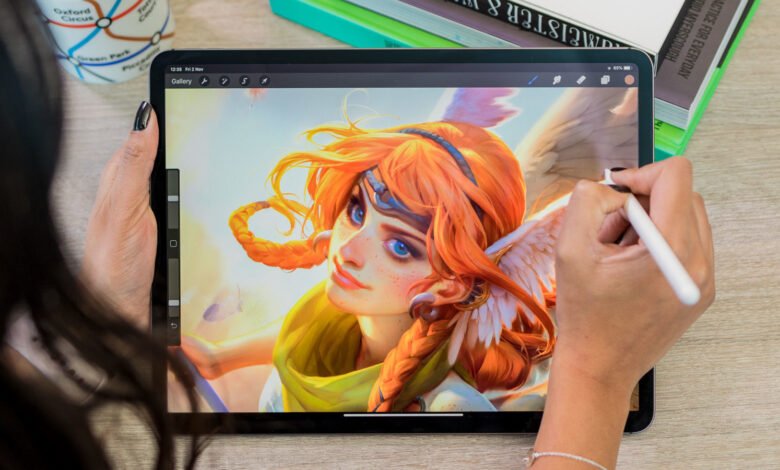
Artificial intelligence is transforming the creative industry by introducing innovative ways to produce images, illustrations, and other forms of digital media. From professional graphic design to personal artistic projects, AI-powered technology is changing how people imagine, develop, and share visual ideas. What previously required advanced technical skills and hours of manual effort can now begin with a simple text prompt and a creative concept.
As digital technology continues to advance, AI Art is becoming an increasingly important part of modern visual design. Artists, businesses, marketers, and independent creators are discovering new opportunities to experiment with artistic styles, develop original concepts, and produce engaging visuals. This transformation is also changing the relationship between human imagination and technology.
Understanding the Growth of AI Art
AI Art refers to artwork created with the assistance of artificial intelligence systems. These technologies use advanced machine learning models to analyze patterns, understand visual elements, and generate images based on user instructions.
Users can describe a scene, object, character, or artistic style through written prompts. The AI system then interprets those instructions and creates an image that reflects the requested concept.
For example, someone might request a futuristic city with colorful buildings, dramatic lighting, and a cinematic atmosphere. An AI-powered platform can transform this description into a visual composition within a short period.
This approach makes artistic experimentation more accessible to people who may not have traditional drawing or illustration experience.
How Artificial Intelligence Is Changing Visual Design
Traditional visual design often involves several stages, including brainstorming, sketching, selecting colors, creating layouts, and refining individual elements. While these methods remain valuable, AI introduces additional ways to explore ideas and develop creative concepts.
Designers can use artificial intelligence to generate initial inspiration, compare different visual styles, and experiment with compositions before beginning detailed editing.
For example, a graphic designer preparing a promotional campaign might generate several background concepts and select the most suitable direction. A website developer could explore different illustrations before deciding how to present a particular section.
These possibilities make the creative process more flexible and help professionals spend more time refining ideas instead of producing every initial concept manually.
The Importance of Visual Content in the Digital World
Visual Content plays an essential role in online communication. Businesses use images to attract attention, explain products, promote services, and communicate their brand identities.
On websites and social media platforms, attractive visuals can make information easier to understand and encourage visitors to explore content further.
AI-powered image creation offers businesses another way to develop visual materials for different purposes, including:
- Social media posts and promotional graphics.
- Website banners and featured images.
- Digital advertising campaigns.
- Product presentation concepts.
- Blog illustrations and editorial graphics.
- Branding inspiration and creative marketing materials.
These applications can be especially useful for smaller businesses that want to explore different visual ideas without investing significant resources in every initial design.
However, generated images should still be reviewed to ensure they meet brand guidelines and communicate the intended message accurately.
Exploring the World of Digital Illustrations
Digital Illustrations are widely used in publishing, advertising, education, entertainment, and website development. They help transform complex information and creative ideas into engaging visual experiences.
Artificial intelligence is expanding the possibilities available to illustrators by making it easier to experiment with different artistic directions.
Creators can explore cartoon characters, fantasy landscapes, realistic environments, abstract compositions, and futuristic scenes. They can also generate multiple variations of an idea to compare colors, backgrounds, and visual arrangements.
For example, an independent author might explore illustration concepts for a fictional story, while an educational content creator could develop visual examples to explain a difficult subject.
AI tools can provide inspiration and starting points, but professional editing and artistic judgment remain important for achieving polished results.
Supporting Artists and Creative Professionals
Artificial intelligence is not limited to beginners or casual users. Experienced artists and professional designers can also incorporate AI into their existing workflows.
An illustrator might use generated images to explore background ideas before drawing the final composition. A marketing designer could experiment with several campaign concepts before creating the finished promotional material.
AI can also support brainstorming when creative teams need fresh ideas or alternative approaches to an existing project.
Rather than replacing human creativity, these technologies can provide additional resources that help professionals explore possibilities more efficiently.
Human involvement remains important because designers understand the purpose, audience, emotions, and communication goals behind a project. These considerations influence whether an image is genuinely effective.
Making Creativity More Accessible
One of the most significant benefits of AI-powered visual tools is accessibility. People without extensive experience in graphic design can begin exploring creative ideas using simple written instructions.
Students can experiment with artistic concepts, bloggers can develop supporting graphics, and entrepreneurs can explore promotional visuals for their businesses.
This accessibility encourages more people to participate in digital creativity. It also creates opportunities for individuals to develop new skills and discover artistic interests.
Nevertheless, understanding basic design principles remains valuable. Knowledge of composition, contrast, color combinations, and visual balance can help users produce more meaningful results.
Challenges of AI-Generated Visual Design
Although artificial intelligence provides exciting opportunities, it also introduces challenges that creators should understand.
Image quality can vary depending on the prompt and the technology being used. Some generated visuals may contain incorrect details, unusual proportions, or inconsistent objects. Reviewing and editing the results is therefore an important part of the creative process.
Copyright and licensing are additional considerations. Users should understand the terms of the platforms they use and ensure that their intended applications comply with relevant requirements.
Authenticity also matters. Businesses and publishers should avoid using generated images in ways that could mislead audiences, especially when representing real people, products, or events.
Responsible use helps maintain trust while allowing creators to benefit from technological innovation.
The Future of AI and Digital Creativity
The future of AI-powered visual design is expected to bring more advanced editing features, improved image quality, and greater creative control. As technology develops, users may gain better opportunities to customize individual elements, maintain consistent artistic styles, and generate visuals that closely match detailed instructions.
These improvements could create new opportunities across marketing, entertainment, education, publishing, and digital media.
The relationship between artificial intelligence and human creativity will also continue to evolve. Designers may increasingly combine AI-generated concepts with traditional illustration, photography, and professional editing techniques.
This combination can create flexible workflows that support both efficiency and originality.
Conclusion
Artificial intelligence is changing visual design by making creative experimentation more accessible and introducing new ways to develop images and illustrations. From marketing graphics to professional artistic projects, AI offers opportunities to explore ideas and produce engaging Visual Content.
The growing use of Digital Illustrations demonstrates how technology can support creative expression across different industries. By combining artificial intelligence with human imagination, artistic knowledge, and responsible practices, creators can develop meaningful visual experiences and explore the future of digital creativity.