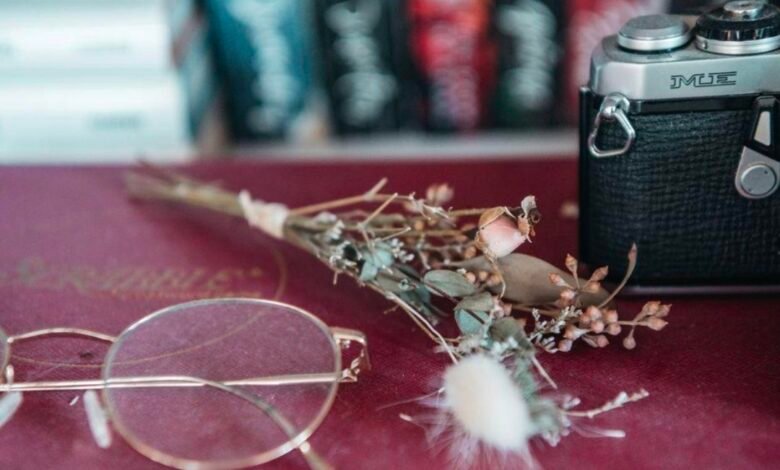
A fresh bouquet looks almost unreal for the first few days. Then the petals curl, the colors flatten, and suddenly something that felt important starts looking temporary. If you’ve ever kept flowers from a wedding, funeral, graduation, or first big apology, you already know the real value was never just decorative. You’re holding onto a moment. The challenge is figuring out how to keep that moment from disappearing with the stems.
What actually happens when you try to save flowers at home
The DIY route sounds simple until you try it. Air-drying can work for hardy blooms like lavender, statice, and some roses, but plenty of flowers collapse, brown, or lose structure fast. Hydrangeas often shrivel unevenly. Tulips and lilies can deform badly. White petals are especially unforgiving because oxidation shows quickly.
Pressing is another common option, but it flattens the bloom and changes the original shape completely. Silica drying gives better form retention, though it takes close handling, timing, and proper storage once the flowers are dry. Even then, fragile petals can become brittle enough to crack during framing.
The main issue is that flowers begin degrading the minute they’re cut. Moisture loss, microbial growth, bruising, and UV exposure all start working against you. If the bouquet matters, waiting too long can limit your options. Preservation is partly craft, partly timing, and partly understanding the flower anatomy you’re dealing with.
How professional preservation changed what keepsake florals can look like
Professional floral preservation has moved far beyond the dusty dried bouquets people used to hide in closets. Now, you can keep blooms as framed art, resin blocks, shadow boxes, ornaments, trays, ring holders, and other display pieces that fit modern interiors instead of fighting them.
That shift matters because preserved flowers are no longer treated like old-fashioned memorabilia. They’ve entered the design world. You can match finishes to your home, preserve full blooms instead of scraps, and maintain much more of the original palette and texture. A preserved bouquet can function as decor, not just storage for emotions.
If you’re considering flower preservation, think of it as a custom keepsake service rather than a craft shortcut. The point isn’t only to dry the flowers. The real goal is to stabilize the arrangement, protect its visual character, and turn an event-specific object into something you’ll actually want to display.
Why certain flowers feel impossible to throw away
You probably don’t save every bouquet you receive. Most flowers do their job, brighten a room, and then fade out without much debate. But some arrangements land differently. Wedding florals, memorial sprays, prom corsages, anniversary roses, and baby shower bouquets often carry emotional weight that outlasts the vase life.
That emotional attachment isn’t sentimental overkill. It’s a normal response to physical objects tied to a major event. Florals are sensory markers. You remember the color palette, the scent, the person who handed them to you, the room, the weather, even the stress around the day. Tossing them can feel like tossing proof that the moment happened.
A lot of people press a few petals in a book and call it done. That works, but it only preserves fragments. If you want the arrangement to stay recognizable and display-ready, you need a more deliberate preservation method.
Which life events are driving demand for preserved bouquets now
Weddings still dominate the category, but they’re not the only reason people preserve florals anymore. You’re also seeing a rise in preservation after funerals, celebrations of life, quinceañeras, graduations, retirements, and major relationship milestones. The keepsake market has widened because people want physical reminders that feel personal, not mass-produced.
There’s also a cultural shift happening around memory objects. Digital photos are endless, but that abundance can make moments feel oddly disposable. A preserved bouquet does the opposite. It takes one piece of an event and gives it permanence, texture, and placement in your everyday space.
That matters for grief, too. Memorial flowers often leave people in a strange spot. You appreciate the gesture, but the arrangement fades before you’ve processed the loss. Preserving part of it can create a quieter, lasting object that feels more intimate than storing sympathy cards in a box.
What to look for before trusting someone with your bouquet
Not every preservation service handles flowers the same way, and the differences show in the final result. You should look at their portfolio closely, especially color retention, petal shape, resin clarity if offered, and composition quality in finished pieces. Some work leans highly stylized, while some stays closer to the original bouquet structure.
Timing policies matter just as much as aesthetics. You need to know how quickly they require the flowers after the event, how shipping or drop-off works, and whether they give care instructions before intake. Ask about bloom selection too. Many professionals reconstruct the piece using the healthiest stems rather than preserving every flower exactly as received.
Also pay attention to expectations around color change. Preservation is not cryogenic freezing. Creams may warm, reds may deepen, and some pinks may mute slightly. A trustworthy provider will explain those variables clearly instead of promising an impossible one-to-one duplicate of a fresh bouquet.
Small decisions right after the event make a big difference
If you know in advance that you want to preserve a bouquet, your best move is planning before the flowers start declining. Talk to your florist or event planner, and set aside the bouquet as soon as the key photos and ceremony moments are done. Every extra hour in heat, direct sun, or no water chips away at the final quality.
Keep stems hydrated if the preservation method allows for fresh intake. Store the bouquet somewhere cool, out of a hot car, and away from crushing or rough handling. If shipping is involved, follow the packaging instructions exactly. Good preservation can recover a lot, but it cannot reverse severe browning, mold, or petal bruising.
You should also think ahead about where the finished piece will live. A framed arrangement for a hallway needs different scale and visibility than a resin block for a desk. Planning display use early helps you preserve with purpose, not just panic after the event is over.
Keeping flowers can change how you remember the event itself
There’s something quietly powerful about giving a temporary object a second life. A bouquet starts as event decor, but preservation turns it into a memory artifact with daily presence. Instead of scrolling for proof that a moment mattered, you see it on a shelf, a wall, or a bedside table.
That changes the relationship you have with the flowers. They stop being leftovers from a big day and become part of your space. For weddings, that can soften the post-event drop-off that many people feel. For grief, it can create a grounded reminder that isn’t loud or performative. For milestones like graduation or retirement, it gives the achievement a physical afterlife.
Flowers were never meant to last forever in their fresh form. Still, the meaning attached to them doesn’t have to vanish on the same timeline. If the bouquet marked something real in your life, preserving it can be one of the few practical ways to keep that reality visible.