Hard water doesn’t announce itself with sirens or warning lights. It just quietly chips away at your home, one cloudy glass and crusty showerhead at a time. If you’ve noticed chalky buildup on your faucets, stiff laundry, or skin that feels dry no matter how much lotion you use, hard water is likely the culprit hiding in plain sight.
At CleanLine Water Co, we’ve spent years helping homeowners trade mineral-laden tap water for something smoother, cleaner, and kinder to their homes. This post breaks down what hard water actually does to your household, how it affects your wallet, and why so many families are finally making the switch to better water.
What Makes Water “Hard” in the First Place?
Water earns the label “hard” when it carries high concentrations of calcium and magnesium. These minerals seep into groundwater as it travels through limestone and chalk deposits before reaching your pipes. The more mineral content, the harder your water.
You can’t see these minerals with the naked eye, but you can certainly see their effects. White, crusty residue around your faucets? That’s limescale. Soap that won’t lather properly? Also hard water. Dishes coming out of the dishwasher with cloudy spots, even though you just ran a cycle? Same culprit again.
Some regions are naturally harder than others, depending on local geology. If your home sits in an area with limestone-rich soil, there’s a good chance your water supply falls somewhere between moderately hard and very hard.
The Hidden Costs of Living with Hard Water
Hard water doesn’t just create cosmetic annoyances. Over time, it causes real financial damage that many homeowners don’t connect back to their water supply.
Appliance Wear and Tear
Mineral buildup inside water heaters, washing machines, and dishwashers forces these appliances to work harder. A water heater coated in scale needs more energy to heat the same amount of water, which drives up utility bills month after month. Over years of use, that buildup can shorten the lifespan of expensive appliances significantly.
Plumbing Damage
Limescale doesn’t stop at your appliances. It accumulates inside pipes, gradually narrowing the space water has to flow through. Reduced water pressure, clogged fixtures, and even pipe replacement can all trace back to years of unaddressed hard water.
Increased Soap and Detergent Use
Hard water interferes with the way soap and detergent lather, which means you end up using more product to get the same clean. That adds up over a year of laundry loads, dishwashing cycles, and daily showers.
Dull Laundry and Dry Skin
Clothes washed in hard water often come out stiffer and look duller over time, as mineral deposits settle into the fabric fibers. Skin and hair can suffer too, often feeling drier and less manageable after a hard water rinse compared to softened water.
How a Water Softening System Changes the Equation
A water softening system works by replacing the calcium and magnesium ions in your water with sodium or potassium ions through a process called ion exchange. The result is water that lathers easily, leaves no residue, and treats your home far more gently.
Homeowners who switch to softened water often notice the difference within days. Dishes come out spotless. Laundry feels softer. Showerheads stay clear instead of clogging with mineral deposits. And because appliances no longer have to fight against scale buildup, they tend to run more efficiently and last longer.
Choose a whole-home softening system if you’re dealing with noticeable scale buildup, reduced appliance performance, or skin and hair irritation that seems tied to your water supply. For households with especially hard water, the investment often pays for itself through lower energy bills, reduced soap usage, and fewer appliance repairs.
Why Homeowners Trust CleanLine Water Co
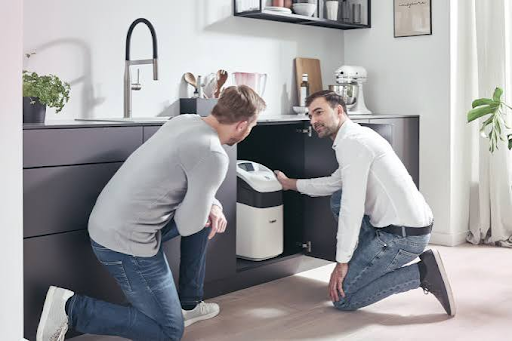
The right solution for your home starts with understanding exactly what’s in your water. A reliable path to softer skin, spot-free dishes, and longer-lasting appliances starts with a professional Water Softener installation from a team that knows your local water conditions inside and out. That’s exactly what our team at CleanLine Water Co specializes in.
We begin every project with a thorough water quality assessment, so you know precisely what you’re dealing with before any equipment goes into your home. From there, our technicians recommend a system sized and calibrated for your household’s specific needs, whether that’s a compact unit for a smaller home or a high-capacity system for a larger family.
Our team handles the full installation process, walks you through maintenance basics, and remains available for ongoing support long after the system is up and running. We believe softened water shouldn’t come with a complicated setup or unclear expectations, which is why we keep our process transparent from the first phone call to the final walkthrough.
Customers who’ve made the switch with CleanLine Water Co consistently mention the same things: cleaner dishes, softer laundry, and noticeably less scale buildup around their homes within weeks of installation.
Ready for Water That Works for Your Home, Not Against It?
Hard water might feel like a minor household nuisance, but its effects ripple through your plumbing, your appliances, and your monthly budget in ways that add up fast. The good news is that the fix is straightforward, and the benefits show up quickly once the right system is in place.
If you’re tired of cloudy glasses, crusty faucets, and appliances that seem to wear out faster than they should, it might be time to see what softened water can do for your home. Reach out to CleanLine Water Co today to schedule a water quality assessment and find out which system fits your household best.
Frequently Asked Questions
How long does it take to notice a difference after installing a water softening system?
Most homeowners notice softer skin, better-lathering soap, and spot-free dishes within the first week or two of installation.
Do water softening systems require a lot of maintenance?
Typical systems need periodic salt refills and occasional check-ups, which CleanLine Water Co can walk you through or handle on your behalf.
Will a softening system work with my existing plumbing?
In most cases, yes. Our technicians assess your current plumbing setup during the initial consultation to confirm compatibility before installation.
Is softened water safe to drink?
Yes, softened water is safe for drinking and cooking. Some households choose to keep a separate tap for unsoftened water if they’re following a sodium-restricted diet.