Why Does Your Tent Get Moldy After Camping? How to Dry, Clean, and Store It Properly

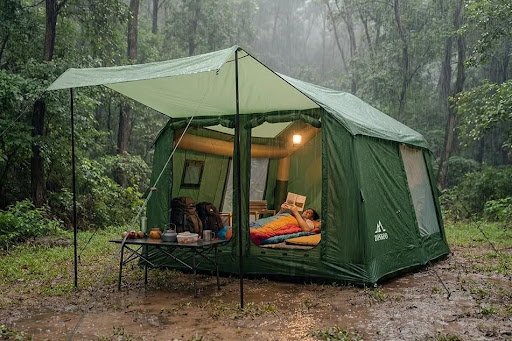
You get home from a weekend camping trip, pack your tent into its bag, and toss it in the trunk. A few weeks later, you pull it out for another trip, only to find a musty smell and spots on the fabric.
The problem often starts after the trip. Even without rain, morning dew, condensation, and moisture from the ground can leave a tent damp. Store it before it dries, and that trapped moisture can create the conditions for mold to grow.
Preventing mold comes down to knowing where moisture collects and taking care of your tent before putting it away.
Why Can a Tent Get Moldy Even When It Looks Dry?
Just because a tent feels dry doesn’t mean all the moisture is gone.
Dew can collect on the outside overnight, while moisture from breathing may condense on the interior walls. The floor can also pick up dampness and dirt from the ground.
Seams, folds, and floor corners are easy to miss. Once the tent is packed, these areas press together, trapping moisture between layers of fabric.
With inflatable tents, pay particular attention to the fabric around the air beams. Damp material folded tightly against these sections may take longer to dry.
Before packing up, check the inside and floor as well as the outer fabric. These less visible areas are often where moisture remains.
What Should You Do With a Wet Tent After Camping in the Rain?
Sometimes packing a wet tent is unavoidable. If it’s raining when you need to leave the campground, waiting for everything to dry isn’t always practical.
Shake off as much water as you can, brush away obvious dirt, and pack the tent according to its instructions. If possible, keep it separate from dry sleeping bags and clothing.
It’s fine to pack a damp tent for the drive home, but don’t leave it in the bag afterward. Take it out as soon as you can rather than letting it sit in the trunk or a closet.
If the rain continues at home, spread the tent out in a garage, covered patio, or another well-ventilated area. You don’t need enough room to pitch the whole tent right away. Start by exposing the damp fabric to the air, then finish drying it when conditions improve.
The goal isn’t to clean everything at the campground. It’s to get your gear home and deal with the moisture before it becomes a problem.
How Can You Make Sure Your Tent Is Completely Dry?
Simply opening the storage bag won’t do much. You’ll need to spread out the tent so air can reach both sides of the fabric.
Blot any visible water with a clean, soft cloth, then let the tent air-dry. Move it around occasionally so no section stays pressed against the ground or a wall.
The size of your tent affects how easy this is. Smaller tents are usually easier to spread out in a backyard or covered space, while larger models need more room.
For example, ZONKOO Lyra is a small inflatable tent with a compact footprint, making it easier to spread out and inspect when drying space is limited.
If your tent has inflatable supports, follow its instructions for managing air pressure, especially as temperatures rise. Excessive heat can increase pressure inside the beams.
You also don’t need to leave the tent in direct sunlight for hours. A breezy, shaded spot is generally a better option than prolonged exposure to intense heat, which can affect the fabric and waterproof coating.
How Should You Clean a Tent That Smells Musty or Has Stains?
If you notice a musty smell when unpacking your tent, look for visible mold and check whether the fabric is still damp.
For ordinary dirt and mud, let the debris dry before gently brushing it away. If stains remain, use water or a mild cleaner suitable for the material, following the manufacturer’s care instructions.
Small stains usually call for spot cleaning, not soaking the entire tent. Excessive washing can affect waterproof coatings, seam tape, and other materials.
Avoid bleach, harsh detergents, and high-temperature cleaning unless the care instructions specifically allow them. Different fabrics and coatings react differently to cleaning products.
If you find mold spots, follow the manufacturer’s cleaning recommendations for the affected areas. A lingering odor, peeling coating, or brittle fabric after cleaning may indicate more serious damage.
Should You Repair or Replace a Moldy or Damaged Tent?
A few stains or small mold spots don’t automatically mean you need a new tent. If the fabric is still in good condition after cleaning and the waterproof coating and seams are intact, you can keep an eye on it during future trips.
Small tears, damaged seams, and worn components may also be repairable. Check whether the manufacturer provides repair guidance or replacement parts.
Recurring mold, brittle fabric, or widespread peeling of the waterproof coating is a different story. These problems can affect how well a tent protects you from the elements. Serious damage to structural areas may also make replacement the better option.
Before buying another tent, think about what made the old one difficult to maintain. Was it too large to dry at home? Was the fabric hard to clean? Did it take up too much storage space?
Those answers can help you narrow down your options. Look beyond the price and consider the material, ease of cleaning, packed size, and availability of replacement parts.
If you’re not in a hurry, seasonal black friday deals can be a chance to compare suitable tents at different prices. Just make sure you’re replacing something that actually needs replacing, rather than getting rid of a perfectly good tent because it’s on sale.
How Should You Store a Tent to Prevent Mold?
Once your tent is clean and dry, where you keep it matters.
Choose a dry place with relatively stable temperatures. Avoid damp basements, storage areas that are prone to leaks, and car trunks that get excessively hot.
If the tent will be stored for several months, follow the manufacturer’s recommendations for folding and packing. Keeping it tightly compressed for long periods can put unnecessary strain on the fabric and connections.
If your storage area tends to get damp, check the bag and surrounding space from time to time.
The simplest way to prevent mold is also the most important: make sure your tent is completely dry before storing it.
A little extra care after each trip can save you from opening your tent to an unpleasant surprise the next time you’re ready to go camping.