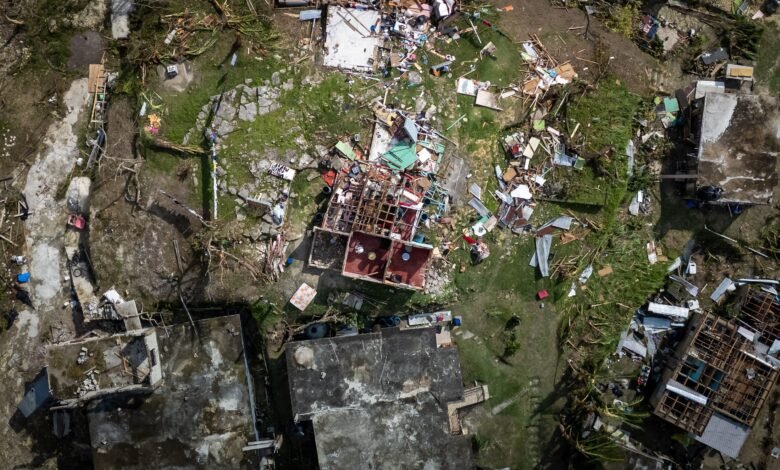
Severe storms can cause unexpected damage to homes, affecting everything from roofing and siding to windows, gutters, and outdoor structures. Strong winds, heavy rainfall, hail, and falling branches can leave homeowners dealing with repairs and safety concerns.
While some damage is immediately visible, other problems may go unnoticed until they lead to water leaks or further deterioration. Taking the right steps after a storm can help homeowners identify potential issues, protect their property, and arrange necessary repairs.
Check Your Home for Immediate Safety Hazards
The first priority after a storm is ensuring that everyone in the household is safe. Before inspecting the property, check for potential dangers such as fallen electrical wires, broken glass, unstable trees, and damaged structures.
Avoid entering areas where the roof, ceiling, or walls appear unstable. Flooded spaces may also contain electrical hazards, making them unsafe to enter without professional assistance.
If you notice fallen power lines, stay away and contact the appropriate utility provider. Similarly, suspected gas leaks or serious structural damage should be reported to emergency services.
Inspect the Roof and Exterior for Damage
Roofs are particularly vulnerable to severe weather because they are directly exposed to wind, rain, and hail. Homeowners should also examine siding, gutters, soffits, and exterior walls for visible damage. Loose siding panels, bent gutters, and debris around the property may indicate areas that require attention.
However, not all storm-related damage is easy to identify without professional equipment or experience.
If you notice missing roofing materials, water leaks, or damaged exterior components, arranging a professional inspection is a practical next step. If your roof or exterior has been affected by severe weather, seeking professional storm damage repair services can help you identify affected areas and find suitable solutions. Experienced contractors can inspect damaged roofing, repair or replace affected materials, and restore damaged siding and gutters.
Document All Visible Property Damage
Keeping a record of storm-related damage is an important part of managing the recovery process.
Before moving or repairing damaged items, take clear photographs and videos of affected areas whenever it is safe to do so. Capture roof damage visible from the ground, broken windows, damaged siding, fallen branches, and any signs of water entering the home. It is also helpful to create a written list of damaged belongings and affected areas.
Include the date of the storm, a description of the damage, and any immediate steps taken to prevent additional problems.
These records can support conversations with repair contractors and insurance representatives.
Avoid discarding damaged materials or belongings until you have documented them and checked whether your insurance provider needs to inspect them.
Take Steps to Prevent Further Damage
After identifying immediate concerns, homeowners should focus on preventing additional damage while waiting for permanent repairs.
For example, a damaged roof may allow rainwater to enter the attic or living spaces. Temporary protective coverings installed by qualified professionals can help reduce further water intrusion.
Broken windows and damaged exterior openings may also need temporary protection. Inside the home, move furniture, electronics, and valuable belongings away from active leaks when it is safe to do so.
If water has entered the property, prompt drying and moisture control are important for reducing the risk of mold growth and damage to building materials.
Avoid attempting dangerous repairs yourself, particularly when the work involves climbing onto a roof, handling electrical equipment, or entering structurally unstable areas.
Temporary measures should protect the home until qualified professionals can complete a proper assessment and necessary repairs.
Check for Hidden Water Damage
Not all storm damage is visible from outside the property. Water can enter through damaged roofing materials, window openings, or gaps around exterior walls.
After a storm, inspect ceilings, walls, attic spaces, and accessible areas for signs of moisture.
Common warning signs include water stains, peeling paint, damp insulation, unusual odors, and discoloration around ceilings or windows.
Even small leaks can cause significant problems when left unaddressed.
Moisture trapped inside building materials may contribute to deterioration and mold growth over time.
If you notice persistent dampness or unexplained water stains, arrange a professional inspection to identify the source.
Addressing moisture problems promptly can help prevent additional repairs and protect indoor living conditions.
Contact Your Home Insurance Provider
If your property has sustained significant storm damage, review your homeowners insurance policy and contact your insurance provider.
Insurance coverage varies depending on the policy, the cause of the damage, and any applicable deductibles or exclusions. Explain what happened and provide the photographs, videos, and written records you collected.
Your insurer can explain the claims process, documentation requirements, and whether an adjuster needs to inspect the property.
Keep copies of all correspondence, inspection reports, repair estimates, and receipts for emergency work.
It is also important to understand that a contractor’s repair estimate and an insurer’s coverage decision serve different purposes. Confirm the scope of approved work and your financial responsibilities before committing to major repairs.
Clear communication can help prevent confusion and make the claims process easier to manage.
Making Informed Decisions After Storm Damage
Recovering from a storm requires careful attention to safety, property inspections, documentation, and timely repairs. Homeowners should assess visible damage to roofing, siding, gutters, and other exterior structures while also checking for hidden problems, such as water leaks and moisture buildup, that may lead to further damage if left unaddressed.
Working with qualified professionals can help homeowners understand the extent of the damage and determine which repairs are necessary. Reviewing insurance coverage, maintaining accurate records, and comparing repair estimates can also make the recovery process more organized and manageable.
Once the necessary repairs are complete, homeowners should focus on regular exterior maintenance and preparation for future storms. Routine roof inspections, gutter