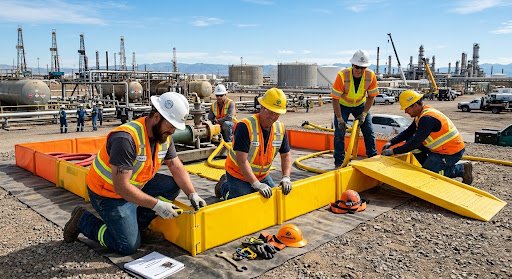
Oil and gas operations run on tight margins and tighter regulations. One overlooked leak, one aging containment wall, or one missed inspection can turn into a costly environmental incident overnight. That’s where secondary and spill containment systems earn their keep — not as an afterthought, but as a frontline defense for your site, your crew, and your bottom line.
Bugle Energy Services has built a reputation around solving exactly this problem. Rather than treating containment as a box to check for compliance, the company approaches it as an engineering challenge with real consequences attached. A well-designed containment system protects soil and groundwater, keeps regulators satisfied, and gives site operators one less thing to worry about during an already demanding workday.
This post breaks down why secondary containment matters, what separates a dependable system from a liability waiting to happen, and how working with an experienced provider changes the equation for operators across the energy sector.
Why Secondary Containment Matters More Than Most Operators Realize
Secondary containment exists to catch what primary containment misses. Tanks corrode. Valves fail. Gaskets dry out and crack. When that happens, a secondary barrier — whether it’s a berm, liner, or engineered containment wall — stops the spill from spreading into soil, waterways, or nearby infrastructure.
The stakes are higher than many realize. A single uncontained spill can trigger regulatory fines, cleanup costs that stretch into six figures, and reputational damage that outlasts the incident itself. Regulatory bodies across North America, including the EPA under the Spill Prevention, Control, and Countermeasure (SPCC) rule, require containment systems sized to hold the full volume of the largest tank plus additional capacity for precipitation. Falling short of those requirements isn’t just risky — it’s a direct path to violations and shutdowns.
Beyond compliance, there’s a simpler argument for investing in quality containment: prevention is cheaper than cleanup. Every dollar spent on a properly engineered containment system is a dollar saved on remediation, legal exposure, and lost production time.
What Makes a Spill Containment System Actually Work
Not all containment setups are created equal. A system that looks adequate on paper can still fail in practice if it isn’t matched to site conditions, material demands, and the realities of day-to-day operations. A few factors separate systems that hold up from those that don’t:
- Material durability: Containment liners and berms need to withstand chemical exposure, UV degradation, and temperature swings without cracking or breaking down over time.
- Correct sizing: Containment volume has to account for the largest possible spill scenario, not just average operating conditions.
- Site-specific design: Terrain, drainage patterns, and proximity to water sources all affect how a containment system should be laid out.
- Routine inspection and maintenance: Even the best containment system degrades without regular checks. Small issues caught early prevent large failures later.
Operators who treat these factors as design requirements, not optional extras, end up with systems that actually perform when it counts.
How a Specialized Provider Changes the Outcome
Generic containment solutions often miss the mark because oil field sites, refineries, and chemical storage facilities each come with their own set of operational pressures. A provider with hands-on energy sector experience designs around those pressures instead of working around them.
Partnering with a containment specialist delivers site-ready solutions built to withstand real-world conditions, reduce regulatory risk, and give operators confidence that their containment infrastructure will perform when it matters most, and that’s the value Bugle Energy Services brings to every project. The company works directly with operators to assess site conditions, recommend containment systems suited to actual risk exposure, and install solutions that meet or exceed SPCC and state-level requirements.
This isn’t a one-size-fits-all approach. Every site has different storage volumes, different terrain, and different regulatory jurisdictions to navigate. A containment plan that works for a remote drilling pad won’t necessarily suit a high-traffic refinery storage yard. Matching the right system to the right site is where experience pays off — fewer surprises during inspections, fewer emergency repairs, and far less exposure to environmental liability.
The Long-Term Value of Getting Containment Right
Containment systems aren’t a one-time purchase. They’re infrastructure that needs to perform reliably for years, often in harsh outdoor conditions. Operators who invest in quality materials and professional installation up front typically see fewer maintenance headaches and a longer operational lifespan from their containment setup.
There’s also a workforce safety angle that’s easy to overlook. Spills create slip hazards, chemical exposure risks, and emergency response scenarios that pull crews away from productive work. A containment system that functions as intended keeps job sites safer and operations running smoother, without the disruption of a spill response event.
Then there’s the regulatory relationship. Sites with a documented history of well-maintained containment systems tend to face smoother inspections and fewer compliance disputes. Regulators notice when an operator takes containment seriously, and that track record can make a real difference during audits or permit renewals.
Choosing the Right Containment Partner for Your Site
When evaluating containment providers, a few questions help separate the serious players from the rest:
- Does the provider have direct experience in oil, gas, or chemical storage environments?
- Can they demonstrate compliance with SPCC and relevant state regulations?
- Do they offer site assessments, or just generic product recommendations?
- What does their maintenance and inspection support look like after installation?
Providers who answer these questions with specifics, not vague assurances, are the ones worth trusting with a site’s containment infrastructure.
Protecting Your Site Starts With the Right Containment Strategy
Spill containment isn’t the most glamorous part of running an energy operation, but it’s one of the most consequential. The difference between a minor incident and a major environmental event often comes down to whether the containment system in place was designed and installed correctly from the start.
Operators looking to strengthen their site’s containment infrastructure don’t need to navigate the process alone. Working with a team that understands both the regulatory landscape and the physical demands of energy sites takes the guesswork out of containment planning — and puts protection where it belongs: ahead of the problem, not in response to it.
Frequently Asked Questions
What is secondary containment, and why is it required?
Secondary containment is a barrier system — such as a berm, liner, or containment wall — designed to catch spills or leaks from primary storage tanks before they reach soil or water sources. It’s required under regulations like the EPA’s SPCC rule for facilities storing oil or hazardous substances above certain thresholds.
How often should a spill containment system be inspected?
Most regulatory frameworks recommend regular visual inspections, with more thorough structural reviews on an annual basis. Sites in harsh climates or with high operational activity may benefit from more frequent checks.
What happens if a site fails to meet containment requirements?
Non-compliance can result in regulatory fines, mandated corrective action, and increased liability in the event of a spill. In severe cases, it can also lead to operational shutdowns until issues are resolved.
Can containment systems be customized for different site types?
Yes. Containment design should account for site-specific factors like terrain, storage volume, and proximity to water sources. A system suited for a drilling pad will differ significantly from one designed for a refinery storage yard.