What Makes a Great Steak? Cuts, Ageing, Doneness, and How to Order With Confidence

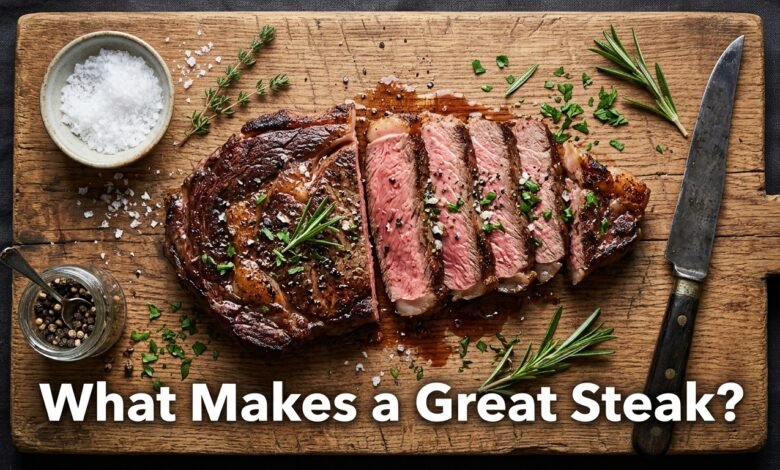
A really good steak looks simple: seared crust, juicy centre, a little salt. But the difference between a forgettable plate and a memorable one comes down to details that start long before the pan heats up. The animal, the cut, the ageing, the cooking, and the rest all play a part. Knowing a little about each makes you a better diner and a better cook.
If you’re hunting for the Best steak melbourne has to offer, this guide explains what to look for, how to read a menu, and how to order the way you like it.
Start With the Cut
Different cuts come from different parts of the animal, and each has its own balance of tenderness, flavour, and fat. In Australia, the names can differ from those used overseas, so it helps to know the local terms.
Eye fillet (tenderloin). The most tender cut, with a mild, buttery flavour and little fat. It’s often served thick and is best cooked to medium-rare or medium.
Scotch fillet (ribeye). Well marbled and rich, with a pronounced beefy flavour. Many steak lovers consider it the most satisfying balance of tenderness and taste.
Sirloin (New York strip) and porterhouse. A strip of firm, flavourful meat with a fat cap along one edge. Slightly chewier than fillet, but full of character.
T-bone and porterhouse on the bone. Combine a strip and a fillet separated by a bone. The bone adds flavour and helps the meat cook more evenly.
Rump. A leaner, intensely flavoured cut that rewards careful cooking and slicing against the grain.
Rib-on-the-bone (cowboy or tomahawk). A thick ribeye with a long bone attached, often shared and cooked slowly to the desired doneness.
Flat-iron, rib cap, and other secondary cuts. Increasingly popular for their flavour and value.
Understanding Marbling
Marbling is the fine intramuscular fat running through the meat. It melts during cooking, basting the steak from within and creating juiciness and flavour. Higher marbling generally means a richer, softer eating experience. Some premium breeds, such as wagyu, are known for very high marbling, which can make a steak intensely rich, so smaller portions are common.
Leaner cuts have less marbling and more of a chew, but many people prefer their clean, beefy flavour.
Grass-Fed or Grain-Fed?
Australian beef is commonly described by feeding method.
- Grass-fed beef tends to be leaner with a more mineral, earthy flavour and a slightly firmer texture.
- Grain-fed beef is finished on grain for a period, often producing more marbling and a milder, sweeter, richer taste.
Neither is inherently better. They simply suit different preferences. Many restaurants will tell you which they serve, and some offer both.
The Role of Ageing
Ageing improves flavour and tenderness. There are two main methods.
Wet ageing involves vacuum-sealing the meat and letting it rest in its own juices in the cold. It’s common and increases tenderness without dramatically changing flavour.
Dry ageing involves hanging the meat in a controlled, humid-regulated cooler for weeks. Moisture evaporates, flavours concentrate, and natural enzymes break down connective tissue. The result is a deeper, nuttier, more complex flavour, but the process costs more, as the outside is trimmed and weight is lost.
If a menu mentions dry-aged beef, expect a stronger, more savoury taste.
Cooking and Doneness
Doneness is personal, but it affects texture and juiciness. Here’s a general guide to internal temperatures:
- Rare: about 50°C, a cool red centre
- Medium-rare: about 54 to 57°C, warm red centre and the most popular choice for tender cuts
- Medium: about 60 to 63°C, pink centre with firmer texture
- Medium-well: about 65 to 68°C, mostly cooked with a hint of pink
- Well-done: 70°C and above, no pink, with less juiciness
Fattier cuts, such as scotch fillet, often shine at medium-rare to medium because the fat has time to render. Lean cuts, like fillet, can dry out if overcooked.
Why Resting Matters
When steak cooks, juices are driven towards the centre. If you cut straight away, those juices run onto the plate. Resting for a few minutes allows the muscle fibres to relax and redistribute the moisture. As a rough rule, rest a steak for about half its cooking time. A good restaurant does this automatically, and you can do it at home under loosely tented foil.
Cooking Steak at Home
A few habits make a big difference:
- Bring the meat out of the fridge about 30 minutes before cooking so it cooks evenly.
- Pat it dry. Moisture on the surface prevents browning.
- Season generously with salt, and add pepper near the end if you prefer.
- Use a very hot pan or grill to create a flavourful crust.
- Don’t overcrowd the pan.
- Turn it only a few times, and avoid pressing it down.
- Finish with butter or herbs if desired.
- Use a thermometer to avoid guessing.
- Rest, then slice against the grain.
Reading a Steakhouse Menu
When dining out, look for signs of quality:
- Clear descriptions of cut, weight, origin, and feeding method
- A focused menu rather than dozens of unrelated dishes
- Sensible options for doneness and honest advice from staff
- Quality sides and sauces that complement rather than hide the meat
- Attention to detail in service, such as warmed plates and a proper rest
Ask the waiter what they recommend, especially if you’re unsure between cuts. A confident team can explain differences without pressure.
Sauces, Sides, and Pairings
Classic sauces include pepper, mushroom, red wine jus, béarnaise, and garlic butter. Quality meat needs little, so consider ordering sauce on the side. For sides, crisp chips, creamy mash, greens, and fresh salads balance the richness.
For drinks, bold reds such as shiraz and cabernet sauvignon suit richer cuts, while lighter reds can suit leaner steaks.
Final Thoughts
Great steak isn’t mysterious once you understand the elements: choose a cut that suits your taste, appreciate the role of marbling and ageing, order your preferred doneness, and let the meat rest. Whether you’re dining out or cooking at home, a bit of knowledge helps you appreciate what’s on the plate and enjoy it that much more.