If you’ve ever stepped into your yard after rain and felt your shoe sink like it hit a hidden swamp, you already know drainage problems can turn a nice outdoor space into a headache. Good drainage protects your landscaping, your foundation, and your budget. Once you understand what water is doing on your property, you can make better choices and avoid fixes that look good for a month and fail at the first hard storm.
Drainage solutions that make sense for real homes
Not every property needs a massive overhaul. Some drainage issues can be improved with regrading, extended downspouts, catch basins, or French drains. Others need a more targeted surface solution where water consistently gathers and crosses paved areas.
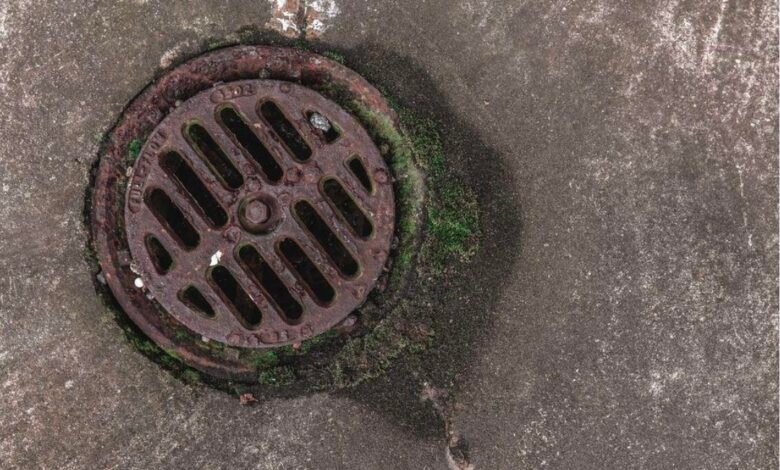
That is where channel drain installation can make practical sense. A channel drain is designed to collect water across a surface and move it away before it has a chance to spread, pool, or damage nearby areas. You’ll often see it used along driveways, patios, pool decks, and garage entries.
It’s a strong option when sheet flow is the main issue. Instead of letting water race across concrete like it owns the place, the drain intercepts it and redirects it into a controlled drainage path.
Why drainage problems get expensive fast
Water has a talent for finding weak spots. It pools near patios, slips toward your foundation, erodes mulch beds, and leaves behind mud that makes your yard feel unfinished. A small drainage issue can start as a cosmetic annoyance, then quietly move into structural territory.
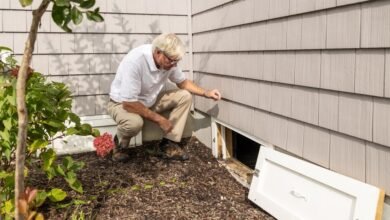
You might notice warning signs like standing water for more than a day, soft patches in the lawn, stained concrete, or basement dampness. Those clues matter. They often point to poor grading, compacted soil, blocked downspouts, or a drainage system that was never designed for heavy runoff.
Ignoring it usually costs more than handling it early. Sod replacement, cracked walkways, and moisture damage inside your home are not exactly budget-friendly plot twists.
What’s actually causing water to collect in your yard
A wet yard rarely has one simple cause. In many homes, the problem is a combination of surface runoff, hardscaping, roof drainage, and the natural slope of the lot. Rain falls, gravity takes over, and your property becomes part of a very predictable chain reaction.
If your driveway, patio, or walkway slopes toward the house, water will follow that path. If your gutters dump too close to the structure, that water adds pressure to the same area. Clay-heavy soil makes the issue worse because it drains slowly and holds moisture like it’s collecting souvenirs.
Low spots in the yard also act like bowls. They gather runoff from surrounding surfaces and keep it in one place. Once you identify the path water takes, the solution becomes much easier to plan.
Where channel drains work best around your property
Channel drains are especially useful in places where flat or gently sloped hard surfaces collect runoff faster than the ground can absorb it. Think about the transition points on your property. These are often the trouble zones.
Common examples include:
– The bottom of a sloped driveway near the garage
– Along the edge of a patio where water runs toward the house
– Around pool decks where drainage needs to be quick and controlled
– Across walkways that become slick after storms
– Near outdoor kitchens or paved entertaining areas
These drains are narrow, efficient, and low-profile, which helps them blend into the design. You get function without making your yard look like a construction site that forgot to leave. For homeowners who care about both appearance and performance, that balance matters.
What to know before choosing a drainage contractor
Drinage work is one of those jobs where details do the heavy lifting. A system can look perfectly fine on day one and still fail because the slope was off, the outlet was poorly planned, or the materials were wrong for the water volume.
When you’re evaluating a contractor, ask how they assess runoff patterns, where the water will discharge, and whether the solution matches both the surface conditions and the soil. A good contractor should explain the logic clearly, not drown you in vague promises and technical fluff.
It also helps to ask about maintenance. Even a well-built system needs occasional cleaning to stay effective. Grates can collect debris, and outlet points need to stay clear. If a contractor can’t explain the long game, that’s a red flag wearing a tool belt.
How drainage planning protects your landscaping and hardscaping
Poor drainage doesn’t just create puddles. It shortens the life of the features you already paid for. Pavers can shift, concrete can stain or crack, mulch can wash away, and plant roots can struggle when the soil stays saturated too long.
Good drainage planning gives your outdoor investments a better shot at lasting. Water gets directed where it should go instead of undermining edges, softening the base under hardscapes, or turning flower beds into runoff channels.
It also improves how your yard feels day to day. You can walk across the lawn after rain without finding surprise mud traps. Patio furniture stays cleaner. Mosquito-friendly standing water becomes less of a problem. Small quality-of-life upgrades often come from practical infrastructure, even if infrastructure isn’t the most glamorous topic at dinner.
Signs your current setup needs an upgrade
Sometimes drainage problems are obvious. Sometimes they sneak in slowly enough that you get used to them. If you’ve started treating water pooling like a quirky feature of the property, it may be time for a reset.
Watch for these signs:
– Water sits on concrete or in the yard for more than 24 hours
– Soil erosion appears along walkways, garden beds, or fence lines
– You notice mildew, musty smells, or dampness near the home
– Mulch, gravel, or decorative stone keeps washing out of place
– Cracks or settling show up in patios, driveways, or paths
Each issue suggests that runoff is moving incorrectly or not moving at all. A proper inspection can help separate a minor correction from a larger drainage redesign.
A smarter approach to solving yard water issues
The best drainage decisions come from understanding how your property behaves during and after rain. Quick fixes can help in the short term, but real improvement usually comes from matching the solution to the exact problem area.
Start by observing where water gathers, how long it lingers, and which surfaces are sending it there. Then look at how that moisture affects your yard, hardscaping, and home over time. Once you have that map, you can choose a system that works with your property instead of constantly fighting it.
You don’t need to become a drainage engineer overnight. You just need a practical plan, the right solution for the runoff pattern, and solid installation. Water will always move. Your job is making sure it moves somewhere helpful.