Motion graphics used to be simple. Text sliding in, a shape bouncing into place, a logo spinning at the end of a video. That was basically the whole toolkit for years, and it worked fine because it never asked much of anyone’s machine. What people call motion work today looks nothing like that. Full 3D scenes. Physics simulations. Real-time interactive elements. All of it still filed under the same old label, “motion graphics,” even though almost nothing about the actual work stayed the same.
That change wasn’t because 2D animation stopped working. It was because audiences got used to more, the tools got genuinely more capable, and studios realized they could finally build the ambitious stuff they used to sketch out and then quietly shelve for being too complicated to pull off on a deadline.
Where Motion Graphics Actually Started
Early motion design leaned on 2D compositing, simple keyframe animation, and a fairly small toolbox of effects that got recycled across job after job. A title sequence. A lower third. A logo sting. None of it was lazy, it was just what the tools and the hardware of the time could realistically handle.
The biggest limit back then wasn’t creativity. It was raw processing power. Even a short 2D animation could take a while to render on the machines available then, and anything involving real 3D was slow enough that most studios steered clear unless a client specifically asked for it and was willing to pay for the extra time it would cost.
The Shift Toward 3D Integration
At some point, 3D stopped being a rare, expensive add-on and just became part of the normal toolkit. Better software made it more approachable. Better hardware made it fast enough to actually play with instead of just enduring. Once artists could move freely between 2D and 3D inside the same project, the whole creative vocabulary of the field opened up.
That opening came at a cost, though. Real-time 3D previews, physics sims, complicated lighting setups, none of that runs well on a machine built for basic 2D compositing. Studios that wanted to genuinely compete in this new version of the field needed systems that could actually keep up with what artists were now capable of imagining.
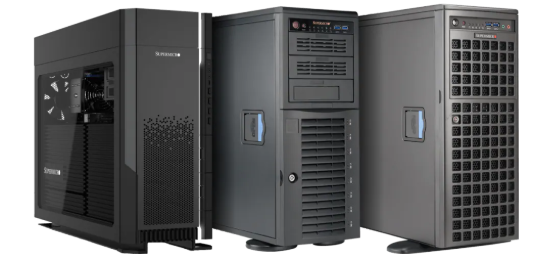
This is where purpose-built hardware started to matter a lot. A Maxon Cinema 4D High Performance workstation is built around exactly this kind of demand, giving motion designers the processing power for complex 3D scenes, simulations, and rendering without the constant stalling that turns an ambitious project into a frustrating one.
What Changed Beyond the Visuals Themselves
The move from simple animation to full 3D touched more than what shows up on screen. It changed how projects actually come together.
- Workflows got more iterative. Artists test 3D lighting and camera moves close to real time now instead of committing blind and finding out only after a render finishes
- Collaboration expanded, since 3D pipelines often need modelers, animators, and lighting artists working the same scene at once
- Client expectations shifted too. More studios pitch interactive, real-time experiences now instead of fixed, linear video
- Render times stretched way out for full 3D compared to the older 2D pipelines, turning hardware capacity into a real production bottleneck instead of a background detail
Every one of these traces back to the same thing. 3D got accessible enough that it stopped being optional.
Real-Time Tools Are Rewriting the Field Again
Motion graphics keeps moving past even this 3D phase. Real-time engines, built originally for games, are showing up in motion pipelines now, letting artists preview near-final visuals instantly instead of waiting on a traditional render. Interactive and generative elements are creeping into projects that would have just been straight linear video a few years back.
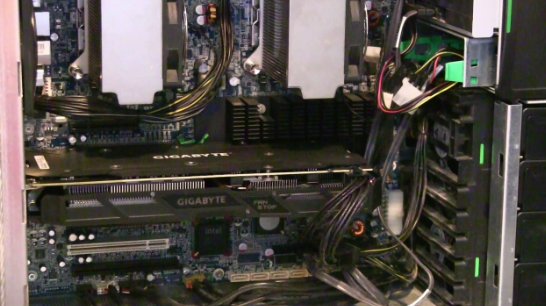
That next wave asks even more of a system, especially GPU performance and steady processing power through long sessions. Designers working across both traditional 3D animation and these newer real-time workflows need hardware that can genuinely handle both without asking them to compromise either one.
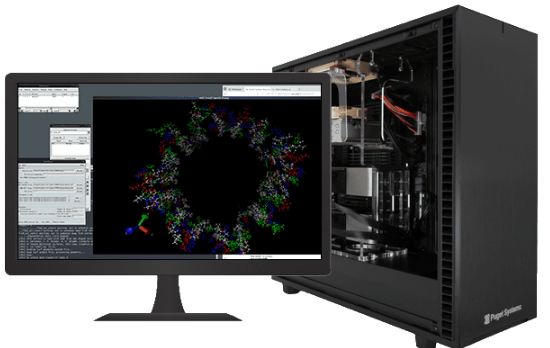
For studios balancing full 3D animation with these newer motion design demands, a Maxon Cinema 4D workstation is built with exactly that range in mind, covering everything from detailed rigging and animation through to complex rendering without forcing artists to bend their process around the machine.
Why This Keeps Going
Every generation of motion graphics has built on whatever came before it, and nothing suggests that’s about to stop. AI-assisted animation tools are starting to show up in mainstream pipelines. Real-time engines keep closing the gap with traditional offline rendering. Audiences keep expecting more polish, more interactivity, year after year.
Studios that keep their hardware ready for whatever’s next tend to adapt faster than the ones still running on machines built for a much simpler version of the field.
Final Thoughts
Motion graphics evolved from simple 2D animation into something that looks a lot like full 3D filmmaking, and that shift quietly reshaped what studios actually need from their hardware. The name of the field barely budged. Almost everything else about how the work gets made did.
Studios that invest in systems built for where motion design has actually gone, not where it used to sit, tend to move faster and take on more ambitious work without hitting a hardware wall halfway through a project. That’s the thinking behind Cloud Ninjas, which builds workstations around what modern motion graphics work actually demands instead of stretching general-purpose machines to cover a job they were never built for.