How to Choose an NDIS Provider: Questions to Ask Before You Sign a Service Agreement

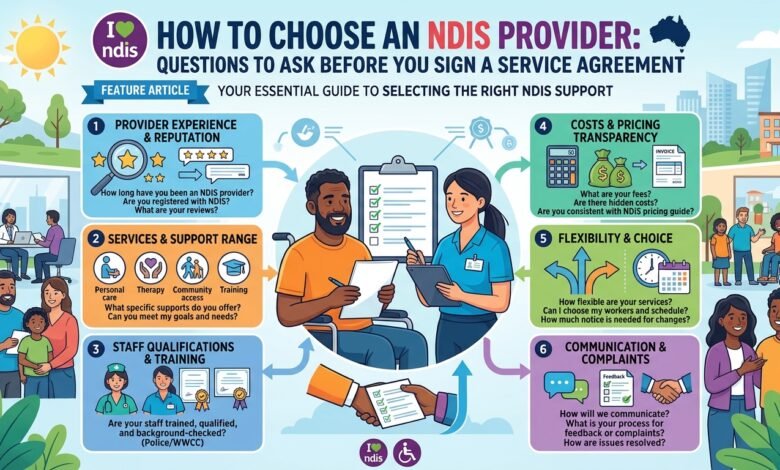
The National Disability Insurance Scheme gives participants real choice over who delivers their supports. That choice is a strength, but it also means a lot of decisions: Which provider suits your needs? What should you look for? How do you know the support will be reliable?
If you’re searching for an NDIS Provider Melbourne, a clear checklist helps you compare options with confidence. This guide covers the key things to consider, from registration to communication to the details of a service agreement.
Start With Your Plan and Goals
Before contacting anyone, review your NDIS plan. Understand:
- Which support categories you have funding for
- How much funding is available in each category
- Your goals, such as building independence, finding work, joining community activities, or improving daily living skills
- How your funding is managed: by you, a plan manager, or the National Disability Insurance Agency
A provider can only deliver supports that match your plan, so clarity here prevents confusion later.
Registered and Unregistered Providers
Providers fall into two broad groups.
Registered providers have been approved by the NDIS Quality and Safeguards Commission. They meet specific requirements for quality, safety, worker screening, and complaints handling. If your funding is managed by the National Disability Insurance Agency, you generally need to use registered providers.
Unregistered providers are not required to go through registration and can be used if you self-manage or use a plan manager. This offers flexibility and can open up more options, but it places more responsibility on you to check quality and safety.
Neither group is automatically better. The right choice depends on your circumstances, comfort level, and how your plan is managed.
What to Look for in a Provider
Experience and Specialisation
Ask what kinds of supports the provider delivers and who they usually work with. Some focus on daily personal care, others on community participation, therapy, supported accommodation, or employment. Look for relevant experience with your type of disability and age group.
Qualified and Screened Workers
Support workers should have appropriate training and a valid NDIS Worker Screening Check where required. Ask about induction, ongoing training, and how workers are supervised.
Person-Centred Approach
A good provider listens first. They should ask about your preferences, routines, culture, and goals, and involve you in decisions rather than telling you what you need. Notice how they respond to questions on your first contact.
Reliability and Communication
Consistency matters, especially for daily supports. Ask:
- How are shifts scheduled and confirmed?
- What happens if a worker is sick or late?
- How quickly do you respond to messages and calls?
- Who is my main point of contact?
Flexibility
Needs change over time. Ask whether services can be adjusted as your goals or circumstances change, and how much notice is needed to make changes or cancel.
Cultural and Personal Fit
Language, cultural background, gender preferences, and personal interests can all influence how well a worker and participant get along. A good provider tries to match people thoughtfully and accepts feedback.
Understanding the Service Agreement
A service agreement sets out what will be delivered, when, and at what price. It should be written in plain language and agreed to by both parties. Check that it includes:
- The supports being provided and how they link to your plan
- Prices, consistent with the NDIS price guide where relevant
- How and when invoices will be issued
- Cancellation terms, including notice periods and any fees
- How changes to the agreement are made
- How privacy and personal information are protected
- How to raise concerns or make a complaint
- The agreement’s start and end dates
Take your time. You can ask for a copy to review at home, and bring a trusted person, advocate, or support coordinator to help.
Questions Worth Asking
- Are you a registered provider? What does that involve for you?
- What is your experience supporting people with needs like mine?
- How do you match workers to participants?
- What are your fees, and are there any additional charges?
- How do you handle cancellations and last-minute changes?
- How do you protect my privacy and personal information?
- What is your process if I’m unhappy with a service?
- Can I meet or speak with the proposed worker first?
Your Rights as a Participant
You have the right to:
- Choose and change providers
- Be treated with dignity and respect
- Make your own decisions about the supports you receive
- Privacy and confidentiality
- Safe, quality services
- Raise concerns without fear of retaliation
If you have a complaint and can’t resolve it directly, you can contact the NDIS Quality and Safeguards Commission, which handles complaints about providers.
Warning Signs
Be cautious if a provider:
- Pressures you to sign immediately
- Is vague about prices or services
- Cannot explain their qualifications or screening processes
- Doesn’t want you to involve family, advocates, or support coordinators
- Suggests using funds in ways not aligned with your plan
- Avoids answering direct questions
Trust your instincts. A good provider welcomes questions.
Reviewing Services Over Time
Choosing a provider is not a one-off decision. Check in regularly on how things are going:
- Are your goals being met?
- Do you feel respected and listened to?
- Is the service reliable?
- Is your budget being used as expected?
You can change providers if things aren’t working, and a good provider will accept that.
Final Thoughts
Finding the right NDIS provider comes down to understanding your plan, asking thoughtful questions, and choosing people who respect your choices. Take the time to compare options, read agreements carefully, and speak up when something doesn’t feel right. With the right support in place, your NDIS funding can help you work towards the goals that matter most to you.