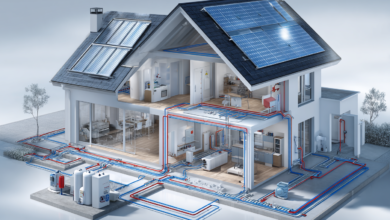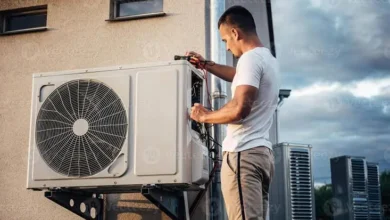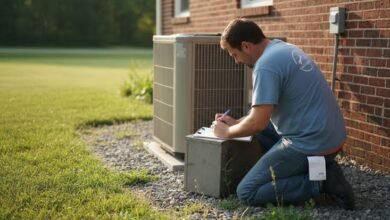
A dependable heating system plays an important role in maintaining indoor comfort, supporting healthy living conditions, and protecting a property during colder weather. However, even a high-quality heater requires regular attention to continue operating safely and efficiently. Dust accumulation, restricted airflow, worn components, thermostat problems, and neglected inspections can gradually reduce system performance and increase energy consumption. Preventive care helps identify these issues before they develop into expensive repairs or unexpected equipment failures. Professional heater maintenance helps homeowners keep their heating equipment in good working condition by addressing performance concerns, checking essential components, and ensuring that the system operates according to manufacturer recommendations. With consistent inspections and appropriate maintenance practices, property owners can improve heating reliability, manage operating expenses, and maintain comfortable indoor temperatures throughout the heating season.
Understanding the Importance of Heating Maintenance
Heating equipment operates through a combination of mechanical, electrical, and temperature-control components that must function together correctly. Furnaces, heat pumps, boilers, and other heating systems have different operating requirements, but all benefit from appropriate inspections and routine care. Over time, filters can become clogged, electrical connections may loosen, moving components can wear down, and sensors may stop responding accurately. These problems do not always cause an immediate breakdown, but they can gradually affect performance and place additional strain on the equipment. Regular maintenance provides an opportunity to identify developing concerns and correct them before they interfere with dependable operation.A well-maintained heating system can also provide more consistent comfort throughout the property. When airflow is restricted or system controls do not work properly, some rooms may remain cold while others become excessively warm. The heater may run longer than necessary, cycle repeatedly, or struggle to reach the thermostat setting. Routine inspections help technicians assess these conditions and determine whether adjustments, cleaning, or repairs are needed. Rather than waiting for a complete failure during a period of heavy use, homeowners can take a proactive approach that supports dependable heating and reduces the likelihood of avoidable interruptions.
Improving Heating Efficiency
Energy efficiency is one of the main reasons homeowners should pay attention to the condition of their heating equipment. A system that operates with restricted airflow, dirty components, or incorrect settings may consume more energy while delivering less effective heating. Even small maintenance issues can affect how efficiently the equipment transfers heat and distributes it throughout the property. Regular inspections help identify conditions that interfere with performance and allow technicians to recommend practical improvements. Keeping the system clean, maintaining appropriate airflow, and ensuring that controls function correctly can support more efficient operation.The condition of the home also influences heating efficiency. Poor insulation, gaps around doors and windows, and air leaks near attics or exterior walls can allow warm air to escape. When heat loss increases, the heating system must work harder to maintain comfortable temperatures. Homeowners can complement professional servicing by sealing appropriate air leaks, improving insulation where necessary, and keeping heating vents clear of furniture or other obstructions. Using a thermostat schedule that reflects household routines can also reduce unnecessary operation. These measures work together to limit wasted energy and support more predictable utility expenses without sacrificing indoor comfort.
Recognizing Early Signs of Heating Problems
Heating systems often show warning signs before a major failure occurs. Unusual noises, inconsistent temperatures, weak airflow, repeated shutdowns, and unexpected increases in energy consumption may indicate that a component requires attention. A furnace that produces rattling sounds could have a loose part, while persistent humming or unusual vibration may point to a mechanical or electrical issue. Rooms that remain cold despite an active heating cycle may indicate restricted airflow, duct leakage, poor insulation, or a problem with the equipment itself. Although these symptoms can have several causes, they should not be ignored when they persist or become more noticeable.Changes in operating behavior are also worth monitoring. A heater that turns on and off more frequently than usual may have an airflow restriction, an incorrectly positioned thermostat, an equipment sizing issue, or a malfunctioning safety control. A system that runs continuously without maintaining the desired temperature may be struggling with heat loss, a component failure, or insufficient capacity. Homeowners should avoid guessing at the cause or attempting complicated repairs without the necessary training. A qualified HVAC technician can inspect the system, determine the source of the problem, and explain which corrective measures are appropriate.
Keeping Air Filters Clean
Air filters are among the most important components homeowners can monitor between professional service visits. Their primary purpose is to capture airborne particles before they accumulate inside the heating equipment or circulate through the home. As a filter collects dust and other debris, the material can gradually restrict airflow. Reduced airflow may force the system to work harder, interfere with heat transfer, and contribute to overheating in some furnace designs. Heat pumps may also experience reduced performance when airflow becomes restricted. Regularly checking the filter and cleaning or replacing it according to the manufacturer’s instructions is a simple way to support reliable operation.The correct filter depends on the system’s design and the manufacturer’s specifications. A filter that is too restrictive for the equipment may reduce airflow, even if it offers a higher filtration rating. Homeowners should therefore confirm the required filter size and type instead of choosing a replacement based solely on its appearance or advertised features. Filter replacement frequency also varies according to household conditions, equipment usage, pets, indoor dust levels, and the specific filter model. Checking the filter more frequently during periods of heavy operation helps homeowners identify when attention is needed and prevents avoidable restrictions from affecting system performance.
Inspecting Thermostats and Heating Controls
Thermostats allow homeowners to regulate indoor temperatures and determine when the heating system operates. When a thermostat is malfunctioning, incorrectly positioned, or configured with unsuitable settings, the heater may fail to provide consistent comfort. A thermostat that reads the surrounding temperature inaccurately can cause the system to run longer than necessary or shut off before other rooms become comfortable. During maintenance, technicians can check thermostat operation, verify system communication, and determine whether adjustments or replacement may be beneficial.Programmable and compatible smart thermostats can also help homeowners manage heating schedules more effectively. These devices allow occupants to adjust temperature settings according to work schedules, sleeping hours, and other daily routines. However, the controls must be compatible with the heating equipment, and their settings should reflect the property’s actual comfort requirements. Homeowners should avoid making frequent, unnecessary temperature changes that conflict with their preferences or equipment instructions. A properly configured thermostat helps the heating system respond predictably and supports efficient operation while maintaining a comfortable indoor environment.
Maintaining Safe Heating Equipment
Safety should always be a priority when maintaining heating systems, particularly equipment that burns natural gas, propane, oil, or other fuels. Fuel-burning heaters require proper combustion, suitable air supply, and effective exhaust venting. Problems with burners, heat exchangers, fuel connections, or venting can create dangerous conditions, including the risk of carbon monoxide exposure. Carbon monoxide is an odorless and potentially fatal gas, so homeowners should install and maintain appropriate carbon monoxide alarms according to the manufacturer’s instructions and applicable safety guidance. These alarms provide an important warning but do not replace professional equipment inspections.Electrical safety is equally important because heating systems contain wiring, motors, switches, and other components that must operate within their intended limits. Damaged insulation, loose connections, repeated breaker trips, and unusual electrical odors require professional attention. Homeowners should keep combustible materials away from heating equipment and maintain the clearances specified by the manufacturer. They should never bypass safety switches or attempt to repair gas connections, internal electrical components, or combustion equipment without appropriate qualifications. If a carbon monoxide alarm activates or fuel leakage is suspected, occupants should leave the building for a safe location and contact emergency services or the appropriate emergency utility service. Equipment should not be returned to normal operation until the hazard has been assessed.
Caring for Ductwork and Airflow
For homes with ducted heating systems, the condition of the air distribution network has a significant effect on comfort and efficiency. Ductwork carries heated air from the equipment to different rooms and returns indoor air for continued conditioning. Leaks, damaged insulation, disconnected sections, and restricted passages can reduce the amount of heat that reaches occupied spaces. As a result, homeowners may experience uneven temperatures or higher energy consumption even when the heater itself is functioning properly. Regular inspections can identify visible damage and help determine whether sealing, repairs, or airflow balancing would improve performance.Homeowners should keep supply registers and return-air grilles free from furniture, curtains, rugs, and other obstructions. Blocking these openings can interfere with circulation and place unnecessary strain on the system. Dust accumulation around vents may also indicate that routine cleaning is needed, although extensive duct cleaning should be based on actual conditions rather than performed automatically. During a professional inspection, technicians can evaluate accessible ductwork, check airflow, and identify problems that may be contributing to comfort concerns. Addressing distribution issues helps ensure that the heating system can deliver warmth more effectively throughout the property.
Preparing Heating Equipment for Seasonal Use
Seasonal preparation helps homeowners identify problems before the heating system enters a period of heavier operation. Before regular use begins, the equipment should be checked for visible damage, unusual odors, blocked vents, and signs of moisture around relevant components. Air filters should be inspected, thermostat settings reviewed, and the area around the equipment cleared of stored items. Homeowners should also confirm that carbon monoxide alarms are functioning and that the equipment’s operating instructions are readily available. These simple checks can reveal obvious concerns that deserve professional attention before colder conditions increase demand on the system.Professional servicing provides a more detailed assessment than a basic visual inspection. Depending on the equipment, a technician may inspect burners, examine electrical connections, test safety controls, check ventilation, evaluate airflow, and verify thermostat operation. Heat pumps may require attention to refrigerant-related components, outdoor coils, drainage, and defrost operation, while boilers have their own requirements for pumps, valves, pressure, and water circulation. The appropriate maintenance procedure depends on the specific system and its manufacturer. Scheduling service according to the equipment’s requirements helps homeowners prepare for seasonal operation and reduces the likelihood of preventable problems.
Extending the Life of Heating Equipment
Heating systems represent a significant household investment, making equipment longevity an important consideration. Although every system eventually reaches the end of its useful life, regular maintenance can help prevent avoidable wear and support reliable operation over time. Dirty components, restricted airflow, poor electrical connections, and unresolved mechanical issues may place additional strain on motors, fans, controls, and other parts. Identifying these conditions early allows technicians to recommend suitable corrective work before the problem affects additional components.Consistent servicing also helps homeowners understand the condition of their equipment. Technicians can document recurring problems, identify parts showing signs of deterioration, and explain whether a repair is likely to provide lasting value. Homeowners should keep records of service visits, repairs, equipment specifications, and warranty information. This history can make troubleshooting more efficient and help inform future decisions about repair or replacement. While maintenance cannot guarantee a particular service life, it supports informed care and can reduce the risk of expensive failures caused by neglected issues.
Understanding Maintenance Costs and Savings
The cost of maintaining a heating system depends on its type, age, condition, accessibility, and service requirements. A routine inspection may involve cleaning, testing, and adjusting components, while additional repairs may be necessary if worn parts or performance problems are discovered. Homeowners should ask for a clear explanation of the recommended work and distinguish between essential safety repairs and optional improvements. Understanding the purpose of each service makes it easier to prioritize spending and avoid unnecessary work.Preventive maintenance can also help homeowners manage long-term expenses by identifying problems before they cause more extensive damage. For example, addressing a developing airflow restriction may help prevent continued strain on the equipment, while correcting a faulty control can reduce unnecessary operation. The financial benefits depend on the system’s condition and the work performed, so maintenance should not be viewed as a guarantee of specific energy savings. Instead, it is a practical investment in equipment reliability, safe operation, and early problem detection. Comparing maintenance costs with the potential expense of emergency repairs helps homeowners make sensible decisions about ongoing HVAC care.
Knowing When Repairs or Replacement Are Necessary
Routine servicing can resolve many minor performance issues, but some problems require more extensive repairs or consideration of replacement. Frequent breakdowns, recurring component failures, difficulty maintaining indoor temperatures, and persistently high operating expenses may indicate that the equipment is no longer meeting the household’s needs. However, these symptoms can also result from correctable issues, including clogged filters, faulty thermostats, blocked vents, or duct leakage. A professional evaluation helps determine the actual cause rather than assuming that an older system automatically needs replacement.When a major component fails, homeowners should compare the repair estimate with the equipment’s age, overall condition, expected efficiency, and maintenance history. Replacing a system may be appropriate when repairs become increasingly expensive or when the equipment can no longer provide dependable comfort. A newer system may offer updated controls and improved efficiency, but the benefits depend on correct sizing and professional installation. An informed decision considers the total cost of continued ownership rather than focusing on one repair or the initial price of new equipment. This approach helps homeowners choose the option that best supports their long-term needs.
Choosing Qualified HVAC Professionals
The quality of professional service matters because heating systems contain components that require technical knowledge and appropriate safety procedures. Homeowners should look for HVAC professionals with relevant training, suitable insurance, and licensing where required. A qualified technician should be willing to explain the inspection findings, discuss the recommended work, and answer questions about the system’s condition. Clear communication helps homeowners understand which issues require immediate attention and which can be monitored during future maintenance visits.A dependable service provider should also consider the equipment manufacturer’s instructions and the property’s specific heating requirements. Different systems require different procedures, so maintenance should not rely on a generic checklist that ignores the equipment type. Homeowners should ask about service documentation, warranty conditions, recommended maintenance intervals, and any follow-up work needed after repairs. Keeping these details organized creates a useful record for future visits and supports better equipment management. Working with an experienced professional helps homeowners maintain confidence in the system and make informed decisions about its care.
Conclusion
A reliable heating system depends on more than the quality of the original equipment. Regular inspections, clean filters, accurate thermostat settings, unobstructed airflow, and prompt attention to warning signs all contribute to effective performance.
Professional heater maintenance helps identify developing problems, support safe operation, and reduce unnecessary strain on important components. Homeowners can strengthen these benefits by following manufacturer recommendations, keeping the area around heating equipment clear, and scheduling professional service at appropriate intervals. When repairs or replacement become necessary, an informed assessment helps determine the most practical solution. By treating maintenance as an essential part of home care rather than waiting for a breakdown, property owners can support dependable warmth, manage operating expenses, and protect their heating investment for years to come.