Why More Households Are Choosing to Maintain What They Own Instead of Upgrading

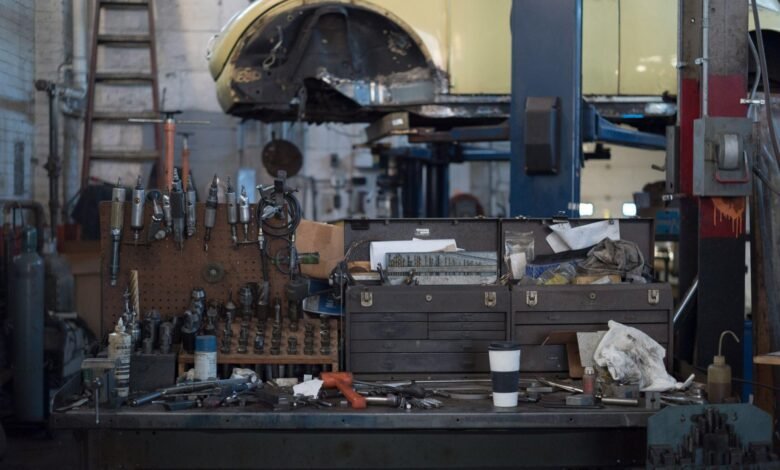
Source: https://unsplash.com/photos/bench-with-bunch-of-tools-oAPv2AoMmCU
The sofa has developed a dip in the seat everyone fights over. The rest of it is fine. It fits the room, the covers come off for washing and it’s one of the few pieces of furniture the household managed to get up the stairs without taking a door off its hinges. Before ordering another one, someone asks an upholsterer what it would cost to replace the cushion filling.
That question captures a shift in how some households think about upgrades. A new sofa still has its appeal, but buying one means paying for a frame, fabric and delivery when the immediate problem may be a single cushion. The same calculation comes up when a coat needs a new zip or an older appliance stops working.
The household budget is often what starts the conversation. Familiarity, easier access to repair and the chance to put off a purchase until it’s genuinely needed can all make keeping something feel like the better choice.
A repair can solve the part of the problem that matters
A washing machine with a broken door latch can look like a costly problem on a Sunday evening, with wet clothes inside and another load waiting. Once someone identifies the fault, the choices become clearer. There’s a price for getting the existing machine working again and a separate price for buying, delivering and installing another one.
Evidence from clothing shows how often a repair can take the place of a purchase. According to WRAP’s textile research, about four in five repairs in the study displaced a new purchase. That finding is specific to the clothing repairs studied, but it shows how fixing a small part of something can change what a household buys next.
The saving can be valuable even if it buys time. A repair that gets a household through another year may let it replace the item later, when there’s money set aside and time to compare what’s available.
Familiar things have value that’s easy to forget
A new phone can look like a sensible upgrade until the owner starts transferring banking apps, moving photos and tracking down passwords. If poor battery life was the main reason for shopping, a battery replacement may be worth pricing on a phone that still receives security updates and does everything else the owner needs.
There are smaller examples in almost every room. An old desk might fit neatly between a radiator and a window. A coat might have sleeves that are finally the right length after an alteration. A replacement has to earn its place by fitting into the household’s routines as well as looking good online.
That familiarity also helps people spot trouble early. Someone who knows how a washing machine normally sounds may notice a change during the spin cycle. A short note about when it started and which loads bring it on can give a repairer more to work with than a general description of a noisy machine.
Finding help can make the difference between keeping and replacing
Repair can feel like the harder option when the owner has no idea whom to call. A shop can take an order for a replacement in minutes. Getting something fixed may involve finding a model number, describing a fault and working out whether a visit costs money even if the job can’t be done.
Community repair events give some households a place to start. A Repair Café survey published in 2026 drew 946 responses from 30 countries and estimated that the network’s events attract about 1.5 million visits a year. That’s an estimate for one network, and it gives a sense of how often people seek help with things they already own.
A visit can be useful even when the object goes home in the same condition. A volunteer might recognise that the missing piece is replaceable, or explain why the repair needs equipment the group doesn’t have. Either answer gives the owner something more useful than another month with a broken lamp in the hall cupboard.
A replacement part can keep a bigger purchase off the table
The stakes are higher when the household depends on an older car. Once a mechanic confirms that an otherwise sound vehicle needs an engine, a search of Ovoko vehicle spare parts can show whether used engines are available to discuss with the workshop. The mechanic still needs to confirm the engine code, assess what’s known about the unit’s condition and price the complete installation.
Compare the cost of putting it back into use
An engine on a pallet and a car ready to drive home are two different prices. Delivery, labour and any work needed to address the original failure can change the calculation. So can a week without the car if the household needs to pay for other transport.
The same question applies to the sofa on a smaller scale. Is the upholsterer pricing one cushion or all three, and is the frame still sound? A clear answer helps the household judge how much useful life the money is likely to buy.
When an upgrade is worth paying for
An old fridge might still keep food cold while costing more to run than a newer model. The ENERGY STAR calculator estimates how much electricity a replacement could save and notes that actual savings depend on use and upkeep. A household can compare that estimate with the purchase and delivery price to see how long the upgrade might take to pay for itself.
Sometimes the best reason to replace something is straightforward. A family may have outgrown the car, a laptop may no longer receive security updates or a repairer may be unable to source a part. Repeated interruptions count too. A washing machine that fails every few months can cost a household evenings at the launderette alongside the repair bills.
Maintenance is easiest before replacement feels urgent
A little planning gives households more say over the timing. A photo of an appliance label makes it easier to find the right manual later. A calendar reminder can bring a car service forward before a long trip. Neither takes much time, and both help when a decision would otherwise have to be made in a hurry.
The sofa may last another few years once the cushion is refilled. When the frame eventually gives way, the household can shop for another one knowing exactly what it liked about the old one, right down to the width of the staircase. Until then, a comfortable seat is all it needed to buy.