Everest Base Camp Trek vs 7 Days Annapurna Base Camp Trek: Two Himalayan Journeys, Different Experiences

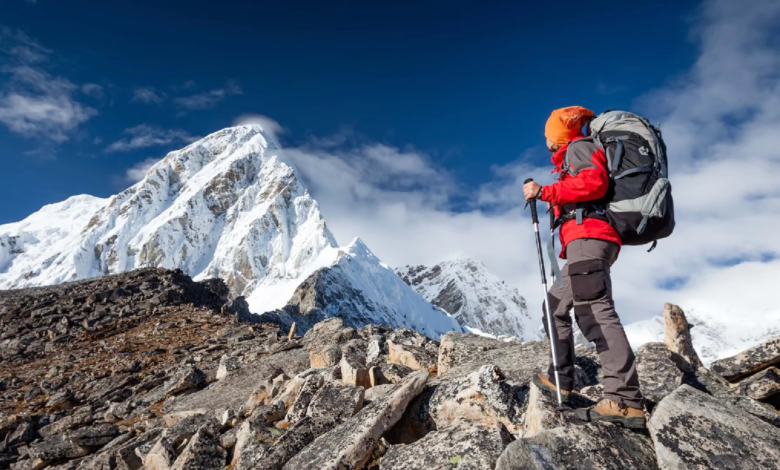
Ask five trekkers which Himalayan trail Nepal newcomers should do first and you’ll probably get five different answers. Two names keep coming up, though. The Everest Base Camp trek runs through the Khumbu, long and high and slow, finishing at the foot of the world’s tallest mountain. The 7 days Annapurna Base Camp trek is shorter on paper, but it climbs steeply into a glacial amphitheatre ringed by the Annapurna massif. They feel nothing alike.
So the useful question isn’t which one wins. It’s which one suits the days you can spare, the fitness you’re bringing and the kind of mountain life you want to walk through. This guide compares the two day by day, then covers altitude, culture, packages and preparation, so you can decide with a clear head.
Everest Base Camp Trek – Following the Historic Trail to the Foot of Everest
Route, Mountain Scenery and Trekking Experience
The Everest Base Camp trek starts with a short, bumpy flight to Lukla, and after that the rhythm is simple: walk, climb, rest. Most itineraries run twelve to fourteen days on the trail, though operators shape them differently. Day one is an easy stroll to Phakding. Day two is the real wake-up call, a long climb to Namche Bazaar, where nearly everyone takes a full rest day.
From there it’s Tengboche and its monastery, then Dingboche for a second acclimatization day, Lobuche, and finally Gorakshep, which sits above 5,000 metres. Base camp itself, at 5,364 metres, is usually a half-day round trip from Gorakshep. Many groups also climb Kala Patthar for a sunrise look at Everest, which honestly gives a better view than base camp does. Along the way you’ll see Ama Dablam, Lhotse and Nuptse, plus Sherpa villages with prayer flags, mani walls and teahouses where the stove is the centre of everything. The slow altitude gain isn’t padding. Those rest days are what make the trek work.
Who Should Consider This Trek?
This one suits people with two weeks or so to spare, who like the idea of a proper expedition rhythm and care about Everest history, high-altitude scenery and Sherpa culture. A bit of flexibility helps too, since flights and weather don’t always cooperate.
7 Days Annapurna Base Camp Trek – A Shorter Journey into the Annapurna Sanctuary
What Makes the Seven-Day Route Different?
Annapurna Base Camp sits at roughly 4,130 metres, inside a sanctuary ringed by Annapurna South, Hiunchuli, Machhapuchhre (Fishtail) and the main Annapurna massif. A 7 Days Annapurna Base Camp Trek is a compressed version of this classic Himalayan journey. You typically drive from Pokhara to a trailhead near Nayapul, then walk toward Chhomrong, Himalaya or Dovan, Deurali and Machhapuchhre Base Camp before the final push to ABC.
The trail around Chhomrong is a long run of stone steps, down and then up again, which catches plenty of people off guard. Jeep rides on the lower sections can save time, and the return is quicker too, often dropping toward Jhinu, where hot springs are a popular reward, before the drive back to Pokhara. Exact stops differ between operators, so read the itinerary rather than trusting the label. The trade-off is fewer buffer days. There’s less room for acclimatization, so a steady pace matters.
Village Life, Local Culture and Natural Landscapes
The Annapurna trail feels greener and closer. Gurung villages, stone houses, terraced fields and rhododendron forests (spectacular when they bloom in spring) fill most of the walk, with the high, rocky sanctuary only appearing near the end. That’s a different mood from the open, stark Khumbu. For travellers with about a week rather than two, it’s an easy trek to love.
Everest Base Camp Trek vs 7 Days Annapurna Base Camp Trek – Which One Should You Choose?
Comparing Duration, Difficulty, Altitude and Experience
| Comparison | Everest Base Camp Trek | 7 Days Annapurna Base Camp Trek |
| Trekking duration | Roughly 12–14 days on the trail | Seven days |
| Getting started | Flight to Lukla | Drive from Pokhara |
| Rest days | Built in at Namche and Dingboche | Few or none |
| Maximum altitude | 5,364 metres | Approximately 4,130 metres |
| Terrain feel | Open, high and rocky | Forest, steps and terraces |
| Cultural experience | Sherpa communities | Gurung and other local communities |
| Suitable travelers | Those with more available time | Those with limited trekking time |
Which Trek Offers Better Value for Your Holiday?
A shorter trek isn’t automatically an easier one. Seven days to ABC means steep stairs and long walking days, while EBC asks for more time but spreads the effort out. Under ten days in Nepal? Annapurna is the realistic pick. Two weeks and a taste for the famous name? Everest. Costs depend on length, flights and service level, so compare quotes line by line rather than by the headline number.
Trekking Packages, Costs and What Is Included
Everest Base Camp Trek Package
A typical package covers hotel nights in Kathmandu, teahouse stays on the trail, flights to and from Lukla, a guide, porter support, meals, permits and acclimatization days. In busy seasons, flights sometimes leave from Ramechhap instead of Kathmandu, which means an early, long transfer, so ask about it. Emergency planning should be spelled out too.
7 Days Annapurna Base Camp Trek Package
Here you’re usually paying for transport to the trailhead, teahouse accommodation, a licensed guide, porter arrangements, meals and permits. Before paying anything, confirm what’s actually included, what isn’t, and how the seven days are split.
A Nepal-based company like Nepal high trek can help travelers sort out route choices, local logistics and package inclusions for either journey.
Practical Preparation – Permits, Fitness, Accommodation and Best Seasons
When Is the Best Time to Trek in Nepal?
Spring (March to May) and autumn (September to November) are the favourites, with clearer skies and steadier trails. Winter brings cold and snow at altitude, and the monsoon means rain, leeches and cloudy views, though it’s quieter.
Physical Preparation and Altitude Awareness
Walk a lot, ideally uphill and with a loaded pack, and add cardio. On Everest, take the acclimatization days seriously. Headaches, nausea and unusual tiredness can signal altitude sickness, so drink plenty, rest and go slowly. Tell your guide early, and keep your schedule flexible enough to descend if needed.
Permits, Accommodation and Essential Gear
Everest needs park and local permits, while Annapurna requires conservation area permits. Fees and rules (including guide requirements) get updated, so verify current details before you go. Teahouses mean basic rooms and shared bathrooms. Pack layers, broken-in boots, a warm sleeping bag and insurance that covers high-altitude trekking and evacuation.
Beyond the Mountains – Experiencing Nepal’s Local Culture and Communities
The Sherpa Heritage of the Everest Region
Namche Bazaar has long been a trading hub, and it still feels like one. Tengboche Monastery brings Buddhist traditions right onto the trail, and Sherpa hospitality and mountaineering history are everywhere you stop for tea.
The Gurung Heritage of the Annapurna Region
On the Annapurna side, you’ll notice traditional stone architecture, farming terraces, local food and a very warm community welcome. Trekking income supports teahouses, guides and porters, so where you stay and eat genuinely matters.
Planning Your Himalayan Trek with Local Expertise
Choose the itinerary, not just the cheapest price. Ask about guide experience, porter arrangements, accommodation standards, transport and emergency support. Nepal high trek, as a local trekking operator, can assist with arrangements and customized planning. Whoever you pick, confirm inclusions, exclusions, cancellation policies and altitude-related arrangements before departure.
Final Thoughts – Choosing the Right Himalayan Adventure
Everest suits travelers wanting a longer, high-altitude journey through the Khumbu. Annapurna suits those wanting a shorter adventure among the Annapurna peaks. Match the trek to your time, fitness and interests, and you’ll be happy either way.
Frequently Asked Questions About Everest Base Camp and Annapurna Base Camp Treks
1. Is the Everest Base Camp Trek more difficult than the 7 Days Annapurna Base Camp Trek?
Generally yes, because of the altitude and the longer duration, though the Annapurna route has steep stairs and little buffer time.
2. Can I complete the Annapurna Base Camp Trek in seven days?
Often, yes, depending on your starting point, transport and fitness.
3. Which trek is better for first-time trekkers in Nepal?
Annapurna is simpler for limited time, but Everest’s rest days suit steady walkers with more time.
4. What is the maximum altitude of both treks?
Everest Base Camp is 5,364 metres; Annapurna Base Camp is about 4,130 metres.
5. Do I need a guide and permits for these treks?
Permits are required, and guide rules change, so check current regulations before booking.