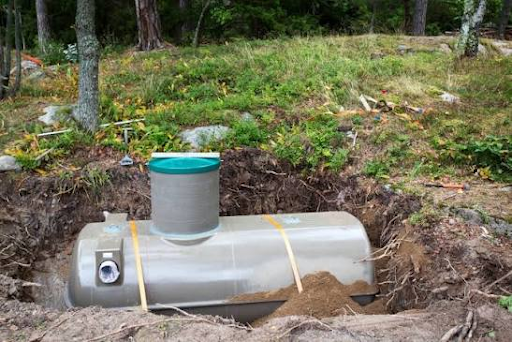
Your septic system works quietly beneath your property, handling one of the most essential functions of your home: wastewater treatment. When it’s installed correctly, you barely think about it. When it’s installed poorly, you’re looking at backups, foul odors, and repair bills that can stretch into the thousands.
That’s why the installation process matters so much. A septic system isn’t just a tank buried in your yard — it’s an engineered system that depends on proper sizing, soil evaluation, and precise placement to function for 25 years or more. Cut corners during installation, and you’ll pay for it later in ways far more expensive than doing it right the first time.
At A&J Septic Services LLC, we’ve seen firsthand what separates a system that lasts decades from one that fails within a few years. This guide walks through what homeowners should know before, during, and after installation, so you can make informed decisions about one of the most important systems on your property.
What Does a Septic System Actually Do?
A septic system treats and disposes of household wastewater on-site, rather than sending it to a municipal sewer line. Wastewater flows from your home into a septic tank, where solids settle to the bottom and oils float to the top. The partially treated liquid, called effluent, then moves into a drain field (also called a leach field), where soil bacteria complete the treatment process before the water filters back into the groundwater.
This system relies on a careful balance. If any part is undersized, misplaced, or poorly constructed, the entire process can break down — leading to slow drains, sewage backups, or contaminated groundwater.
What Factors Determine a Successful Installation?
How Does Soil Quality Affect Septic System Design?
Before any digging begins, a percolation test (often called a “perc test”) measures how quickly water drains through your soil. This single test shapes nearly every decision that follows, including the size of your drain field and the type of system you’ll need. Soil that drains too quickly or too slowly can both cause problems, so an accurate reading is non-negotiable.
Why Does Tank Size Matter So Much?
Septic tanks are sized based on the number of bedrooms in your home and your household’s expected water usage. A tank that’s too small fills up faster than it should, forcing solids into the drain field, where they can clog the soil and cause premature system failure. Oversizing isn’t typically harmful, but it does add unnecessary cost. Getting the size right from the start protects both your budget and your system’s lifespan.
What Role Does Placement Play in System Longevity?
Where your tank and drain field sit on your property affects everything from maintenance access to long-term performance. Installers consider setback distances from wells, property lines, and water sources, along with slope and drainage patterns, to prevent contamination and ensure the system functions as intended for years to come.
What Are the Steps Involved in Installing a Septic System?
- Site evaluation and permitting — A thorough soil test and site survey determine the system design, followed by securing the necessary permits from your local health department.
- Excavation — Crews dig the area for the tank and drain field based on the approved design.
- Tank placement — The septic tank is set into position and leveled precisely to ensure proper flow.
- Drain field construction — Pipes and gravel (or an alternative media, depending on soil conditions) are laid out to distribute effluent evenly.
- Connection and testing — The system is connected to your home’s plumbing, and a final inspection confirms everything operates correctly.
- Backfilling and cleanup — Once approved, the excavated areas are filled in, and the site is restored.
Each of these steps requires precision. Skipping or rushing any one of them increases the risk of future failures, which is why working with an experienced installer makes such a difference.
Why Does Working With Experienced Installers Make a Difference?
Septic installation isn’t a project suited to guesswork. Local soil conditions, permitting requirements, and system codes vary significantly from one area to the next, and a team without local expertise can easily misjudge critical details that affect your system for years.
Reliable, code-compliant Septic System Installation gives homeowners lasting peace of mind by ensuring every component is sized, placed, and connected correctly from day one. At A&J Septic Services LLC, our team brings years of hands-on experience to every project, handling everything from the initial site evaluation to final inspection. We take the time to assess your soil, size your system appropriately, and install it according to local codes, so you’re not left dealing with avoidable issues down the road.
We understand that a septic system is a significant investment, and our goal is to make sure that investment pays off in reliable performance for decades.
How Can You Keep Your New Septic System Running Smoothly?
Installation is only the beginning. Routine pumping, mindful water usage, and avoiding harsh chemicals all contribute to a longer system lifespan. Scheduling regular inspections helps catch small issues before they turn into costly repairs.
If you’re planning new construction, replacing an aging system, or simply want expert guidance on your options, A&J Septic Services LLC is ready to help. Our team is committed to quality workmanship and honest communication from the first site visit to the final walkthrough. Reach out today to schedule a consultation and get your septic system installed the right way, the first time.