Key Takeaways
- Choose a boat based on your usual activities, passengers, and preferred Missouri waterways.
- Match the hull design and boat type to lakes, reservoirs, or rivers.
- Compare pontoons, fishing boats, bowriders, center consoles, deck boats, and cabin boats.
- Check passenger capacity, seating, storage, fuel capacity, and overall layout.
- Budget for fuel, insurance, registration, storage, maintenance, and repairs.
- Confirm that your vehicle can tow the complete boat-and-trailer package.
- Inspect the hull, engine, electrical systems, and trailer before buying.
- Follow regular maintenance routines and prioritize boating safety equipment.
Missouri offers plenty of ways to enjoy the water, from fishing on quiet lakes to family outings on Lake of the Ozarks. When browsing boats for sale in Missouri, consider where you plan to boat most often, along with your preferred activities, passenger needs, storage space, and towing capacity.
Missouri’s waterways vary, so choose a boat suited to your usual conditions. Smaller lakes may favor shallow-draft designs, while larger reservoirs often call for a more substantial hull. If you’re working with a tighter budget, a carefully inspected used boat for sale may offer the features you need at a lower purchase price.
Table of Contents
- Start With Your Boating Goals
- Match the Boat to Missouri Water
- Compare Common Boat Types
- Check Size, Capacity, and Layout
- Budget for Ownership
- Plan for Towing, Storage, and Launching
- Inspect Before Buying
- Build a Maintenance Routine
- Put Safety First
Start With Your Boating Goals
Before shopping, list the three activities your boat will handle most often. That simple exercise helps separate must-have features from attractive extras. Your priorities may include fishing, family cruising, swimming, towing watersports, hunting access, or a mix of relaxed day trips.
A fishing-focused crew may value casting room, livewell space, trolling capability, and easy cleanup. Families may place more value on shade, comfortable seating, a swim platform, and room for coolers. The best boat is usually the one that serves its primary purpose well and handles secondary activities reasonably.
Match the Boat to Missouri Water
Water conditions should guide the decision. On smaller lakes, ponds, and calm coves, an aluminum fishing boat, jon boat, or compact pontoon can be easy to trailer and operate. A shallow draft can also be useful where shorelines, ramps, and water levels change throughout the season.
For larger Missouri reservoirs, consider a hull that offers a confident ride in choppy conditions. More freeboard, secure seating, dry storage, and adequate fuel capacity can improve comfort during longer outings. At Lake of the Ozarks State Park, boaters can access three paved launch ramps, an example of why ramp design and local launch availability should be part of the buying decision.
River boaters should pay special attention to current, changing depths, submerged debris, and narrow access points. A boat that feels perfect on open reservoir water may not be the most practical choice for frequent river use.
Compare Common Boat Types
- Pontoons:A comfortable choice for social outings, swimming, and relaxed cruising with a larger group.
- Aluminum fishing boats:Lightweight, practical, and often well suited to lakes, coves, and straightforward trailering.
- Bass boats:Built around angling, with open casting areas, organized gear storage, and performance-oriented layouts.
- Bowriders:Flexible day boats for cruising, swimming, and light watersports.
- Center consoles:Open layouts that can work well for fishing and active use around the boat.
- Deck boats:Broad seating arrangements for families who want passenger space without moving to a pontoon.
- Cabin boats:Added shelter and storage for owners planning longer outings or variable weather.
Check Size, Capacity, and Layout
Length matters, but it does not tell the entire story. Beam, seating placement, storage, fuel capacity, draft, and weight capacity all affect how a boat feels on the water. Bring the people and gear you expect to use most often into the decision.
Questions to Ask
- How many people will typically ride aboard?
- Will you carry fishing gear, coolers, tow ropes, or watersports equipment?
- Can passengers move safely without crowding the helm or access points?
- Does the boat have enough storage to keep walkways clear?
Do not choose based only on maximum passenger capacity. A boat may be rated for a certain number of people, but a smaller group may be far more comfortable once gear and supplies are onboard.
Budget for Ownership
Set a total ownership budget before committing to a purchase. Beyond the boat price or financing payment, account for registration, insurance, fuel, storage, routine service, cleaning supplies, trailer maintenance, batteries, safety equipment, and unexpected repairs.
A useful rule is to reserve money for dependable essentials before adding cosmetic upgrades. A sound battery, serviceable trailer tires, a working bilge pump, and a reliable anchor are more important than accessories that do not improve safety or usability.
Plan for Towing, Storage, and Launching
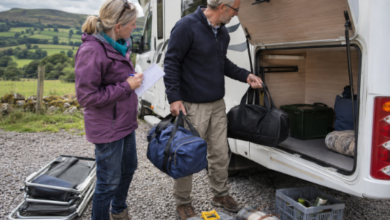
Evaluate the entire boat package, not only the hull weight. The trailer, motor, fuel, batteries, equipment, and personal gear all add to the load. Confirm that your tow vehicle, hitch, wiring, safety chains, and braking setup are appropriate for the complete package.
- Measure the driveway, garage, or storage facility before purchase.
- Confirm that your preferred ramps have room to maneuver and park.
- Practice backing the trailer in a low-pressure setting.
- Inspect trailer tires, bearings, lights, bunks, winch, and tie-downs regularly.
Inspect Before Buying
Whether buying new or pre-owned, inspect the hull, transom, deck, compartments, hardware, wiring, steering, gauges, pumps, and trailer. Look for cracking, soft spots, corrosion, water intrusion, loose fittings, damaged tires, or signs of poor repairs.
For a used boat, ask for service records and arrange a water trial whenever possible. An independent marine inspection can identify issues that are not obvious during a quick walk-around, especially in the engine, electrical system, and lower unit.
Build a Simple Maintenance Routine
After Each Trip
- Remove trash, wet gear, and standing water.
- Check for visible leaks, damage, and loose fittings.
- Secure the cover and allow damp areas to dry.
- Rinse the boat, trailer, and engine when conditions call for it.
Monthly and Seasonal Tasks
During frequent use, inspect battery connections, fluid levels, propeller condition, navigation lights, and bilge pumps. Before winter storage, follow the engine manufacturer’s service guidance, protect the batteries, and use a properly fitted, ventilated cover.
Put Safety First
Outfit the boat for safety before its first launch. Carry properly sized, approved life jackets for everyone aboard, keep required equipment accessible, monitor weather, and share a float plan for longer trips. The U.S. Coast Guard’s recreational boating guidance also emphasizes life jacket use, vessel safety checks, and emergency preparation.
Conclusion
Choosing the right boat for Missouri waters means balancing your favorite activities with practical considerations such as passenger capacity, hull design, towing, storage, and ownership costs. Compare boat types against the lakes and rivers you expect to visit, then inspect the vessel, engine, and trailer carefully before making a purchase. Remember to budget for ongoing maintenance and essential safety equipment, not just the initial price. With thoughtful planning and a boat suited to your needs, you can enjoy more comfortable, dependable outings throughout Missouri’s boating season.