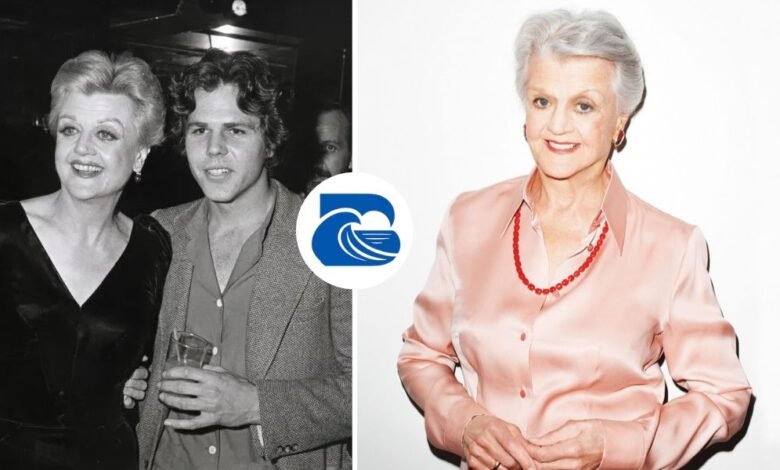
Hollywood is full of famous actors, but many great stories are shaped by people who work behind the camera. Anthony Pullen Shaw is one of those people. He is the son of the much-loved actress Angela Lansbury, yet he also built a career of his own. He worked as an actor, a director, and a producer.
Many viewers know his work from the hit mystery show Murder, She Wrote. Others may know the TV movies he directed with his mother. Anthony Pullen Shaw did not need to be the star of every scene to help tell a good story. His work shows how a director can guide a cast, keep a plot clear, and bring a script to life. Here is a closer look at his life and career.
Who Is Anthony Pullen Shaw?
Anthony Pullen Shaw was born on January 7, 1952, in Los Angeles, California. His parents were Angela Lansbury and Peter Shaw. His mother became famous for her work in movies, plays, and television. His father worked in the entertainment business as an actor and later as a producer and agent.
Growing up in this family gave Anthony a close view of how films and shows were made. He later worked in the same field, but his career was not just a copy of his parents’ careers. He took acting parts early on and then moved into directing. His best-known credits include many episodes of Murder, She Wrote and several TV films made after the series ended.
A Mother Known Around the World
Angela Lansbury was already a well-known performer long before her son became a director. She acted in films, appeared on stage, and won praise for many different roles. Later, she became a familiar face to TV fans as Jessica Fletcher, the clever writer who solved crimes in Murder, She Wrote.
Her long career gave her a place in entertainment history. For Anthony Pullen Shaw, this meant that his mother was more than a parent with a regular job. She was an artist whose work was seen by people across the world. Still, he did not play the same part in show business. He developed skills in a different role, often helping to tell the story from behind the camera.
His Father and the Rest of the Family
Peter Shaw also played an important part in the family’s work life. He had a career in the movie business and helped guide projects connected to Angela Lansbury. The family included Anthony’s sister, Deirdre, and his older half-brother, David, who was Peter’s son from an earlier relationship.
Entertainment was a shared part of family life, but each person followed a different path. Anthony Pullen Shaw became known for directing. Deirdre built a life outside acting, while David also worked in production. The family later had a hand in Corymore Productions, which made projects starring Lansbury. Family members could work together while having separate duties.
His First Steps as an Actor
Before he directed TV stories, Anthony Pullen Shaw appeared on screen. In 1977, he had a small role as a United States captain in the war film A Bridge Too Far. That same year, he played a crew member in the James Bond movie The Spy Who Loved Me. These were not lead parts, but they placed him inside large film productions.
For a young actor, even a short scene involves knowing lines, following directions, and working with the crew. He also used the name Anthony Pullen in some early screen credits. These acting roles came before his best-known work as a TV director.
Other Roles Before Directing
His acting work continued around the end of the 1970s and the start of the 1980s. He appeared in Cuba in 1979 and North Sea Hijack, also known as ffolkes, in 1980. He also played Edward Black in the TV mini-series The Martian Chronicles. That show was based on stories by author Ray Bradbury. These projects ranged from war stories to science fiction.
The roles show that Anthony Pullen Shaw spent time working with several kinds of film and television crews. It is not possible to know every lesson he took from those jobs. What is clear is that he later turned from acting in scenes to directing the people and work needed to create them.
Moving Behind the Camera
Acting and directing are linked, but the jobs are not the same. An actor works to make one character feel real. A director must think about the whole scene, including the actors, camera, sound, and pace. Anthony Pullen Shaw moved into a role where he could help shape all those parts. His later credits show a clear focus on television directing rather than on acting alone.
This shift also meant working with writers, editors, and many crew members who never appear on screen. A good director does not work alone. The job is to help everyone tell the same story. That move led to the work for which he is best known.
The Show That Made His Work Well Known
Murder, She Wrote began in 1984 and ran until 1996. The series followed Jessica Fletcher, a mystery writer who often found herself helping to solve murders. Angela Lansbury played Jessica, making the character warm, sharp, and easy to remember. Each case gave viewers clues, possible suspects, and a final answer.
Anthony Pullen Shaw joined the show’s team of directors after it was already on television. His first listed directing credits on the series date to 1987. He then kept returning to direct episodes during later seasons. That steady work matters because a long-running show needs directors who understand its characters and can fit new stories into its familiar style.
Directing 68 Episodes of Murder, She Wrote
One of the clearest facts about Anthony Pullen Shaw is the size of his directing record on Murder, She Wrote. Film and television credit lists name him as director of 68 episodes between 1987 and 1996. That is a large amount of work for one series.
His episode credits include Mr. Penroy’s Vacation, A Christmas Secret, and Something Foul in Flappieville. These stories did not all use the same setting or mystery. Yet they needed to feel like part of one show. He had to help each new case make sense within that world. His long run also makes him one of the show’s most frequent credited directors.
What Makes a Mystery Director Important?
A mystery works best when viewers can follow the story but cannot guess every answer at once. The director helps strike that balance. A look at a character, a short pause, or a small clue can change how a scene feels. The camera must show enough to keep the viewer interested without giving away the ending too soon.
These are general parts of directing a mystery, not claims about secret methods used by Anthony Pullen Shaw. His many credits show that he worked often in this kind of storytelling. On a weekly program, the director must also keep scenes clear and help actors stay true to their roles. That work may be hard to spot, but it matters to the finished episode.
Working on the Same Show as His Mother
The link between Anthony Pullen Shaw and Angela Lansbury was both personal and professional. She was the face of Murder, She Wrote, while he directed many of its episodes. That meant the show brought their two careers together in a real way. Lansbury spoke about her son among the series’ regular directors in an interview kept by the Television Academy.
It is easy to focus only on the family tie, but a director still has a job to do. Scenes need planning, actors need clear guidance, and the story needs to move forward. Anthony Pullen Shaw’s many credits make his part in the series more than a family detail. They are a record of years of TV work.
Directing Mrs. ‘Arris Goes to Paris
In 1992, Anthony Pullen Shaw directed the TV movie Mrs. ‘Arris Goes to Paris. Angela Lansbury played Ada Harris, a London cleaning woman who dreams of owning a beautiful dress by the fashion house Dior. She saves her money and travels to Paris to follow that dream. The movie was based on a story by Paul Gallico and also starred Diana Rigg and Omar Sharif.
This was a different kind of tale from a murder mystery. It called for warmth, humor, and a clear sense of place. For Anthony Pullen Shaw, the film was another chance to direct his mother while working with a wider cast. It remains an easy starting point for viewers who want to see his work beyond the crime series.
The Unexpected Mrs. Pollifax and Other TV Films
After Murder, She Wrote ended, Anthony Pullen Shaw kept working on TV films. In 1999, he directed The Unexpected Mrs. Pollifax, with Angela Lansbury playing a widow who becomes involved in spy work. The story came from a novel by Dorothy Gilman.
He also directed four Murder, She Wrote TV films: South by Southwest in 1997, A Story to Die For in 2000, The Last Free Man in 2001, and The Celtic Riddle in 2003. These projects let Jessica Fletcher return after the weekly show had ended. Anthony Pullen Shaw also held producer or supervising producer credits on the four mystery films. That mix of jobs shows his continued role in bringing these stories to television.
Marriage, Children, and a Private Life
Away from his screen credits, Anthony Pullen Shaw has kept much of his personal life out of public view. Public biographical records list his marriage to Lee Speer Webster on May 30, 1980. They also report that the couple have three children. Those are useful facts, but they do not tell us what every day in the family’s life has been like.
It would be unfair to fill those gaps with guesses. Anthony Pullen Shaw is better known through the shows and films on which he worked than through frequent public interviews. That is worth remembering when reading about the child of a famous star. A person can be part of a well-known family and still choose to keep many details of life private.
Final Thoughts
Anthony Pullen Shaw built a career that reached beyond his famous family name. He started with acting roles, then became a director on one of television’s best-known mystery shows. His 68 episodes of Murder, She Wrote are a key part of that story. The TV films he made later add more variety to his work, from a trip to Paris to a tale about an unlikely spy.
Anthony Pullen Shaw also worked with Angela Lansbury on projects that many fans still remember. His career is a good reminder that the people behind the camera matter just as much as those in front of it. A strong story needs both.