Methatreams? How a Streaming Search Typo Became an Internet Identity of Its Own

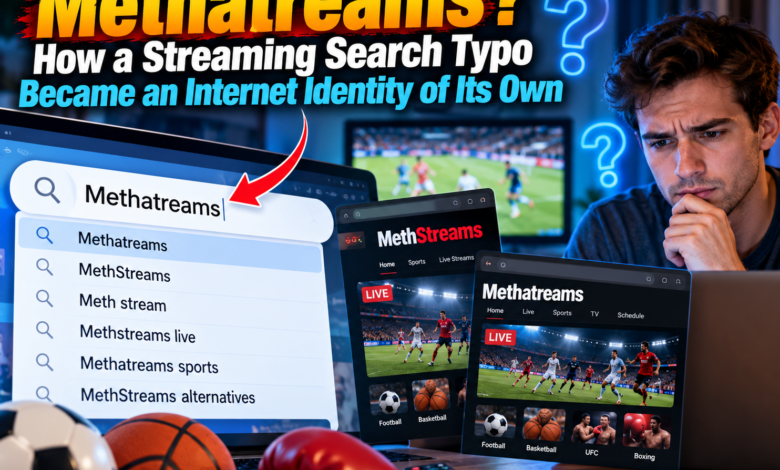
Methatreams is a strange word. It looks like the name of a streaming site. It also looks like a mistake. That is why people search for it. Some users may be trying to find MethStreams, a name linked with free sports streaming. Others may not know the right spelling at all. They type fast because a game is starting soon. They may be looking for football, basketball, boxing, UFC, or another live event. In that rush, one wrong letter can send them into a different part of the internet. Today, Methatreams is not only a search term. It is also a lesson about how the web works.
Where the Word Methatreams Appears to Come From
The word Methatreams seems to be connected to MethStreams. Several current pages describe Methatreams as a possible typo, spelling change, or related search term for MethStreams. One source says Methatreams may be a spelling variation linked to sports streaming searches. Another says people may use the word when looking for MethStreams or similar sites.
This matters because a typo can become powerful. A user may type Methatreams by accident. Then another user may copy it from a search result. A blogger may see the search traffic and write a page about it. After that, search engines may show more pages with the same wrong spelling. Slowly, the mistake starts to look normal. The word begins to feel like a real name, even if it began as an error.
Why Sports Fans May Type the Name Incorrectly
Sports fans often search in a hurry. A game may already be live. A fight may start in ten minutes. A playoff match may be hard to find. In that moment, people do not always type with care. They type what they remember. They type what they heard from a friend. They type what looks close enough. That is how words like Methatreams can spread.
Live sports also create pressure. Unlike a movie, a match happens at a set time. If a fan misses the first round or first quarter, they cannot pause the whole world and restart it. This rush can make people click faster and think less. A small spelling mistake becomes part of the search habit. The fan may not ask, “Is this the right name?” They may only ask, “Can I watch the game now?”
How Search Engines Can Reinforce Misspellings
Search engines do not only show perfect words. They also follow user behavior. If many people type a wrong word, that wrong word may begin to appear in search suggestions. If websites create pages for that word, the search term can grow even more. This does not mean the word is official. It only means the web has enough content around it.
Methatreams is a good example of this problem. The word appears in articles that connect it with MethStreams and unofficial sports streaming. Some pages treat it like a risky sports streaming term. Others explain it as a mistake or a changed spelling. This mixed use can confuse readers. A person may think, “Many sites talk about Methatreams, so it must be real.” But search results can make weak information look stronger than it is.
When a Typo Starts Looking Like a Brand
A brand usually has clear signs. It has an official website. It has a clear owner. It has a real service page. It has support, terms, contact details, and stable identity. A typo does not have those things at first. But on the internet, a typo can still begin to look like a brand.
This can happen when many SEO pages use the same word. The word gets a title. It gets a logo on some sites. It gets article headings. It gets safety guides. It gets “what is it?” explainers. Then the word begins to feel official, even if the base facts are unclear. Methatreams shows how easy this can be. A search mistake can turn into an online identity because people keep writing about it.
The Role of SEO Pages
SEO means search engine optimization. It is the work of making pages show up in search results. SEO can be useful when it helps readers find clear answers. But it can also create confusion when writers chase strange keywords without checking the facts.
If a keyword has search traffic, some publishers may build articles around it. They may not know if the term is official. They may not know who owns it. They may only know that people are searching for it. That is how an unclear word can gain more attention. Methatreams is a strong case because many pages try to define it. Yet those definitions do not always match.
Some sources describe Methatreams as a risky or unauthorized sports streaming term. Others say it may be a typo or variation of MethStreams. This creates a loop. Users search the term. Websites write about the term. Search engines show the websites. More users search again. The word becomes bigger because the loop keeps moving.
The Copycat Website Problem
Words like Methatreams can also attract copycat sites. This is a major risk. When users search for free sports streams, they may see many similar names. Some may be mirror pages. Some may be fake copies. Some may only be ad traps. Some may try to push users into pop-ups, fake buttons, or unsafe downloads.
This is not only about one spelling. It is about trust. If users cannot tell which site is real, they may trust the wrong page. Articles about Methatreams warn that unknown streaming sites can bring safety and legal risks. These risks may include suspicious ads, redirects, and unreliable pages.
A copycat name works because it feels familiar. The user thinks, “This looks close to the site I heard about.” That feeling can be enough to make them click. But familiar does not mean safe. A changed letter can be the difference between a known name and a risky copy.
Why Free Sports Streaming Terms Spread So Fast
Free sports streaming terms spread because they solve a real problem for some users. Sports can be hard to watch in one place. Different games may be on different services. Some events may need a paid plan. Some may be blocked by region. Some fans may not know where to watch legally.
This does not make unauthorized streaming safe or right. But it helps explain the search behavior. People often search for quick access when the legal path feels hard. That is why names linked with free streams spread fast. They are shared in chats, forums, and search boxes. When one name stops working, users look for another. When one spelling fails, they try a new spelling.
Methatreams may grow from this same habit. It may not matter to some users whether the spelling is correct. They only want a working stream. That is exactly why confusion can become dangerous.
The Industry Controversy Behind the Word
Methatreams also points to a bigger fight in sports media. Sports rights are valuable. Leagues, broadcasters, and streaming services spend a lot of money to show live games. Unauthorized streaming sites can harm that business because they may show content without permission.
Anti-piracy action has become stronger in recent years. TorrentFreak reported that ACE acted against many sports piracy domains in late 2024, including domains linked with MethStreams and other sports streaming names. In 2026, reports also said that U.S. authorities seized hundreds of domains tied to illegal World Cup streams.
This shows that the issue is bigger than one site or one typo. Methatreams is part of a larger pattern. When enforcement hits one domain, new names and lookalike pages may appear. Users then search again. The cycle continues.
Why Readers Should Not Trust Every “Streaming Guide”
Many articles online are written to catch search traffic. Some are useful. Some are thin. Some may repeat claims from other pages without checking them. Readers should be careful when a page makes strong claims about Methatreams or similar names.
A safe article should do a few things. It should explain that the term may be a typo or spelling variation. It should avoid sending readers to illegal streams. It should warn about risk. It should separate facts from guesses. It should not pretend that an unclear term is a fully proven platform.
Readers can ask simple questions:
- Who owns this site?
- Is there an official company behind it?
- Does the page explain its sources?
- Does it push pop-ups or strange downloads?
- Does it claim to offer paid sports for free?
- Does it avoid legal and safety details?
These questions can help users avoid bad information. They can also help readers see when a search term is being stretched for clicks.
The Human Side of a Search Mistake
There is also a human story here. Methatreams is not just a spelling problem. It shows how people act when they feel stuck. A fan may want to watch a team they love. A student may not have money for many subscriptions. A worker may only have a short break before the match starts. A person far from home may want to watch a local team from another country.
These people are not always thinking about copyright rules, domain safety, or SEO tricks. They are thinking about the event. They are thinking about the moment. That makes them easy to mislead. A bad site can use their rush against them. A fake page can look helpful at the exact moment they want help most.
This is why the Methatreams story is useful. It teaches readers to slow down. It shows that a search result is not the same as proof. It reminds people that the internet often rewards speed, not truth.
Safer Ways to Think About Streaming Searches
The safest path is to use legal and trusted options. These may include official broadcaster apps, league websites, paid streaming plans, radio coverage, legal highlights, live text updates, or official social clips. Prime Twist also notes that legal options may include highlights, radio, live text, official clips, or paid streams.
This may not always feel perfect. Some legal options cost money. Some are not available in every country. Some games may still be hard to find. But trusted options are safer than unknown sites that promise free live sports with no clear rights.
Users should also protect themselves online. They should avoid strange downloads. They should not enter payment details on unknown pages. They should not install browser extensions from pop-ups. They should not trust a site only because the name looks familiar. With terms like Methatreams, the spelling itself is a warning sign.
What Methatreams Teaches About Online Misinformation
Methatreams is a small word with a big lesson. Online misinformation does not always begin with a major lie. Sometimes it begins with a typo. Then the typo gets searched. Then it gets written about. Then other sites copy it. Then readers see many results and think the term must be solid.
This is how weak information can grow. The web can turn small mistakes into large signals. A spelling error can become a keyword. A keyword can become an article topic. An article topic can become a fake sense of authority.
That does not mean every page about Methatreams is bad. Some pages try to explain the risk and confusion. But readers still need to be careful. They should look for clear sourcing. They should notice when a writer says “may,” “might,” or “appears.” Those words matter. They show that a claim is not fully proven.
Final Thoughts
Methatreams is more than a streaming search term. It is a clear example of how the internet can turn a mistake into an identity. A person may type one wrong letter while looking for a live game. Search engines may record that behavior. SEO pages may build content around it. Copycat sites may use the confusion. Soon, the typo starts to look like a real brand.
The best lesson is simple. Do not trust a name only because it appears in search results. Do not assume a site is safe because many pages talk about it. With Methatreams, the real story is not only about sports streaming. It is about search habits, online trust, and the way small errors can grow into big digital confusion.
Readers should slow down, check sources, and use legal viewing options when possible. A live game is exciting, but safety still matters. One fast click can lead to bad information, risky pages, or worse. Methatreams shows why careful searching is now part of being a smart internet user.