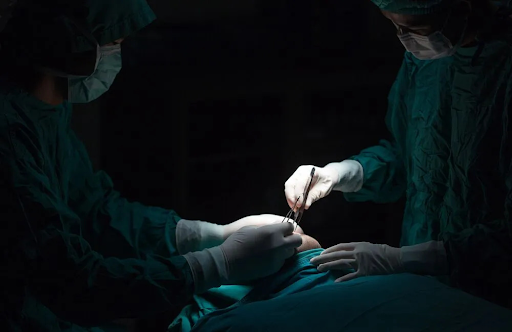
Cosmetic surgery has become an option for people who want to change certain aspects of their appearance, address excess skin, or improve body proportions. While many patients choose treatment in their home country, others explore international options to compare prices, clinics, and available procedures. Poland has attracted attention from UK patients who are considering private cosmetic treatment abroad.
For people researching Cosmetic surgery abroad, Poland may offer a combination of private medical facilities, experienced practitioners, and treatment options at prices that can be lower than those charged by some UK providers. However, the quality of care, surgeon qualifications, and services included in treatment packages vary between clinics.
Choosing a destination for surgery involves more than finding an affordable procedure. Patients should consider medical safety, travel arrangements, recovery time, and access to follow-up care before making a decision.
This article explores what makes Poland an attractive destination for cosmetic surgery, the procedures patients may consider, and the factors to evaluate before travelling for treatment.
1. Competitive Cosmetic Surgery Prices
One of the main reasons UK patients research Poland is the potential to reduce the cost of private cosmetic surgery.
Procedures such as breast augmentation, breast reduction, tummy tucks, and liposuction can represent a substantial financial commitment. In Poland, some clinics may offer lower prices than comparable private providers in the UK.
However, prices depend on the complexity of the procedure, the surgeon’s experience, the medical facility, and the level of postoperative care provided.
What Influences the Cost?
Several factors can affect the total price of cosmetic surgery:
- The type and complexity of the procedure.
- The surgeon’s qualifications and experience.
- Anaesthesia and hospital fees.
- Preoperative examinations and medical tests.
- The type of implants or other medical products used.
- Postoperative appointments and medication.
- The need for additional procedures.
Patients should request a detailed quotation rather than relying on an advertised starting price.
It is also important to include flights, accommodation, local transport, meals, and time away from work when comparing the cost of treatment abroad with treatment in the UK.
Affordability should be considered alongside medical suitability and quality of care. A lower price is not necessarily better value if important services or follow-up arrangements are missing.
2. A Range of Cosmetic Surgery Procedures
Another reason patients consider Poland is the range of procedures offered by private cosmetic surgery providers.
The available options vary by clinic, but patients may find services designed to address concerns involving the breasts, abdomen, face, and other areas of the body.
Breast Surgery
Breast procedures may include:
- Breast augmentation to increase breast volume.
- Breast reduction to remove excess breast tissue.
- Breast uplift to address sagging.
- Breast implant removal or replacement when medically appropriate.
The best option depends on a patient’s anatomy, health, expectations, and personal goals. A qualified surgeon should explain the potential benefits, risks, and limitations of each procedure.
Abdominal Procedures
A tummy tuck, also known as abdominoplasty, removes excess abdominal skin and may include tightening separated abdominal muscles.
It may be considered by people who have experienced significant weight loss or changes following pregnancy.
Liposuction is a different procedure that removes localised fat deposits. It is not a substitute for weight loss, and it does not remove substantial amounts of loose skin.
Facial Procedures
Depending on the clinic, patients may also explore procedures such as eyelid surgery, facelift surgery, or rhinoplasty.
Each operation has specific risks and recovery requirements, so patients should seek an individual assessment rather than choosing a procedure based solely on photographs or promotional material.
3. Opportunities to Compare Private Clinics
Patients researching plastic surgery abroad can compare multiple providers before selecting a clinic.
Poland has private healthcare facilities that treat both local and international patients. However, their services, medical teams, facilities, and aftercare arrangements are not identical.
Taking time to compare providers can help patients make a more informed decision.
What Should You Look For?
When researching clinics, consider the following:
- The surgeon’s medical qualifications and specialist training.
- Professional registration and relevant experience.
- The facility where the operation will take place.
- The qualifications of the anaesthesia team.
- The clinic’s approach to preventing and managing complications.
- The availability of postoperative appointments.
- The process for contacting medical staff after discharge.
- Clear information about treatment costs and exclusions.
Ask who will perform the operation and whether you will have an opportunity to discuss your treatment directly with that surgeon.
Be cautious if a provider pressures you to book quickly, avoids questions about complications, or promises guaranteed results.
4. The Importance of Surgeon Experience
A surgeon’s experience is an important consideration when choosing cosmetic surgery, regardless of the country where treatment takes place.
Patients should verify that their surgeon has appropriate qualifications and training for the procedure being considered.
For example, a patient considering a tummy tuck should ask about the surgeon’s experience with abdominoplasty, including the management of complications and revision procedures.
Similarly, someone considering breast augmentation should understand the surgeon’s experience with implant selection, placement, and long-term monitoring.
Questions to Ask During a Consultation
Before committing to surgery, ask:
- What qualifications do you hold?
- How much experience do you have with this procedure?
- Which surgical technique would you recommend for me?
- What results are realistic in my circumstances?
- What are the most important risks?
- What complications have you discussed with patients undergoing this procedure?
- What happens if the outcome is not as expected?
- What follow-up care will be available after surgery?
A responsible surgeon should explain both the potential benefits and the limitations of the procedure.
You should also have sufficient time to consider the information and make a voluntary decision without pressure.
5. Modern Facilities and Medical Support
The facilities and medical support available at a clinic are important parts of the surgical experience.
Before choosing a provider in Poland, investigate the location where your operation will take place and the arrangements for anaesthesia, recovery, and emergency treatment.
A clinic’s marketing materials alone are not enough to establish whether its facilities are suitable for your needs.
Important Facility Considerations
Check whether the surgical facility has:
- Appropriate operating theatres and medical equipment.
- Qualified anaesthesia professionals.
- Staff who can monitor patients after surgery.
- Clear discharge and follow-up procedures.
- Arrangements for urgent assessment and hospital transfer.
- Appropriate infection-control procedures.
Ask what level of monitoring you will receive after the operation and whether an overnight stay is recommended for your procedure.
Patients should feel comfortable asking detailed questions about medical arrangements before paying a deposit.
6. Potential Savings Compared With the UK
For some patients, the price difference between private cosmetic surgery in Poland and the UK may be a significant consideration.
However, the overall financial benefit depends on the particular procedure and the services required.
A patient comparing two clinics should assess the total treatment cost rather than looking only at the surgeon’s fee.
Calculate the Full Cost of Treatment
Your budget should account for:
Medical expenses
- Consultation and assessment fees.
- Surgery and anaesthesia.
- Hospital or clinic charges.
- Medication and dressings.
- Follow-up appointments.
Travel expenses
- Return flights.
- Transport between the airport, accommodation, and clinic.
- Accommodation for the recommended recovery period.
- Meals and everyday necessities.
Additional expenses
- Extra accommodation if your recovery is delayed.
- Changes to return flights.
- Additional medical appointments.
- Potential treatment for complications.
- Time away from work.
You should also confirm whether the clinic offers any financial assistance or revision policy and read the terms carefully.
Travel insurance often excludes complications arising from planned cosmetic surgery. Do not assume that unexpected medical expenses will automatically be covered.
7. Poland’s Accessibility for UK Patients
Poland is served by international airports and air routes connecting it with various UK cities. This can make travelling there for a consultation or procedure practical for some patients.
Nevertheless, convenient transport does not mean that Plastic surgery abroad can be treated as a short holiday.
Patients must allow enough time for medical assessments, surgery, postoperative checks, and recovery. The length of stay should be determined by the procedure and the surgeon’s assessment.
Planning Your Journey
Before booking travel, consider:
- The distance between the airport and clinic.
- How you will travel after surgery.
- Whether you need someone to accompany you.
- How long you should remain in Poland.
- Whether your accommodation can be extended.
- What arrangements are available if you are not fit to fly home.
Avoid non-refundable travel arrangements where possible, particularly if your treatment date or recovery timeline may change.
For major procedures, discuss the risks of flying after surgery with your surgeon before finalising your return journey.
8. Recovery and Aftercare Considerations
Recovery is an essential part of cosmetic surgery, and patients should understand what it involves before booking treatment abroad.
The time required depends on the operation, the patient’s health, and the progress of healing.
For example, breast surgery and a tummy tuck have different recovery requirements. Patients may experience swelling, bruising, discomfort, and temporary restrictions on everyday activities.
Your surgeon should provide individual instructions about medication, wound care, physical activity, and follow-up appointments.
Why Aftercare Matters
Patients travelling abroad may face additional challenges if they develop complications after returning home.
Before surgery, confirm:
- How many postoperative appointments are included.
- Who will answer urgent medical questions.
- Whether further treatment might require returning to Poland.
- Who will pay for additional consultations or surgery.
- How to obtain copies of your medical records.
- Where to seek help after returning to the UK.
Discuss your plans with your UK GP where appropriate, particularly if you have existing medical conditions or expect to need support during recovery.
Do not assume that treatment for complications will automatically be covered by your insurance or provided without charge.
9. Understanding the Risks of Cosmetic Surgery Abroad
Every surgical procedure carries risks, whether performed in Poland, the UK, or another country.
Possible complications include infection, bleeding, adverse reactions to anaesthesia, wound-healing problems, scarring, and blood clots. Some patients may also experience results that differ from their expectations or require additional surgery.
Travelling abroad can create extra practical difficulties if a complication develops after you return home.
For example, you may need to communicate with a clinic in another country, arrange additional travel, or obtain medical records for a local healthcare professional.
How Can Patients Reduce Avoidable Risks?
Although no preparation can eliminate every risk, patients can take sensible steps to make an informed decision:
- Verify the surgeon’s qualifications.
- Discuss personal medical risks before booking.
- Understand the proposed procedure and alternatives.
- Check the suitability of the surgical facility.
- Read the treatment agreement carefully.
- Arrange appropriate recovery accommodation.
- Confirm follow-up and emergency arrangements.
- Allow enough time for recovery before flying home.
Be cautious about clinics that promise perfect results, minimise potential complications, or suggest that surgery is risk-free.
10. Who May Be a Suitable Candidate?
Not everyone is a suitable candidate for cosmetic surgery.
Suitability depends on the procedure, general health, medical history, expectations, and individual circumstances.
Some patients may consider surgery to address excess skin following weight loss, changes in breast shape, or specific concerns about body proportions. Others may discover that a different procedure or a non-surgical option is more appropriate.
Factors That May Affect Suitability
A surgeon may consider:
- Existing medical conditions.
- Previous surgical procedures.
- Current medication.
- Smoking or nicotine use.
- Weight stability.
- Skin quality and anatomy.
- Recovery support at home.
- Expectations about results.
- Future pregnancy or weight-loss plans.
Patients should be honest about their health and lifestyle during consultations.
The purpose of an assessment is to determine whether surgery is appropriate and to explain the likely benefits, limitations, and risks.
11. How to Prepare for Cosmetic Surgery in Poland
Once you have identified a suitable provider, careful preparation can help you manage the practical aspects of treatment.
Start by arranging consultations and obtaining a clear explanation of the proposed procedure. Ask for a written quotation, medical instructions, and details of the postoperative plan.
Before Travelling
Make sure you have:
- Verified the surgeon’s qualifications.
- Discussed your medical history and medication.
- Understood the risks and possible outcomes.
- Confirmed the full treatment cost.
- Arranged suitable accommodation.
- Organised assistance during recovery.
- Checked travel and entry requirements.
- Confirmed how follow-up care will be provided.
Follow all instructions from your medical team concerning medication, preoperative tests, and preparation for anaesthesia.
After Surgery
Give yourself enough time to recover and attend the recommended follow-up appointments.
Avoid strenuous activities until your surgeon confirms that you can resume them safely.
Keep your medical records and contact details accessible, and seek professional advice if you develop unexpected symptoms.
Do not rush your return journey simply to reduce travel or accommodation costs.
12. Is Poland the Right Destination for Your Cosmetic Surgery?
Poland may be an attractive option for some UK patients because of its private cosmetic surgery services, range of procedures, and potential cost differences.
However, whether it is the right choice depends on your personal circumstances and the quality of the specific provider you select.
For one patient, a lower treatment price may offer meaningful savings. For another, the travel requirements, time away from home, and challenges of accessing follow-up care may make treatment closer to home more practical.
Questions to Ask Yourself
Before deciding, consider:
- Have I researched more than one clinic?
- Have I verified the surgeon’s qualifications?
- Do I understand the risks and limitations of the procedure?
- Can I afford the full cost, including unexpected expenses?
- Have I arranged suitable recovery support?
- Do I know what will happen if a complication develops?
- Am I comfortable with the follow-up arrangements?
- Have I had enough time to make an informed decision?
If any of these questions remain unanswered, take more time to research your options before booking.
Conclusion
Poland may be an attractive destination for cosmetic surgery because patients can explore a range of private procedures and compare prices with those offered by UK providers. Depending on the clinic and operation, treatment may be available at a lower initial cost, but the complete financial and medical picture must be considered.
Anyone researching cosmetic surgery abroad should look beyond advertisements and evaluate the surgeon’s qualifications, medical facilities, treatment plan, and arrangements for recovery. Travel costs, time away from work, insurance exclusions, and possible additional treatment can all affect the overall value of a procedure.
Choosing plastic surgery abroad requires careful planning and realistic expectations. By comparing providers thoroughly, asking detailed questions, and arranging aftercare before travelling, patients can make a more informed decision about whether Poland is the right destination for their cosmetic surgery journey.