The first cold snap of the season has a way of exposing every weakness in a home’s heating system. One day the furnace hums along fine, and the next, you’re bundled in blankets wondering why the vents are blowing cold air. If this sounds familiar, you’re not alone — heating failures tend to strike at the worst possible moments, usually on the coldest nights of the year.
A malfunctioning heating system isn’t just an inconvenience. It can mean higher energy bills, uneven temperatures throughout the house, and in some cases, safety hazards like carbon monoxide leaks or electrical faults. The good news is that most heating problems are fixable, often faster than homeowners expect, when the right technicians are on the job.
This post breaks down the warning signs of heating trouble, what typically causes them, and how a trusted repair team can get your home back to comfortable in no time.
Common Signs Your Heating System Needs Attention
Heating systems rarely fail without warning. Most show subtle signs of trouble weeks before a full breakdown. Catching these early can save homeowners from a freezing night and a much larger repair bill.
Unusual noises. Banging, rattling, or squealing sounds coming from the furnace or ductwork usually point to loose components, worn belts, or motor issues.
Inconsistent heating. If some rooms feel toasty while others stay chilly, the problem could be anything from a clogged filter to a failing blower motor or duct leak.
Rising energy bills. A heating system working harder than it should to maintain temperature will show up on your utility bill long before it shows up as a visible symptom.
Frequent cycling. If your system turns on and off more often than usual, it may be struggling with a faulty thermostat, dirty filter, or a failing component trying to compensate for reduced efficiency.
Strange smells. A burning odor, musty smell, or anything resembling rotten eggs should never be ignored. These can indicate electrical issues, mold in the ductwork, or even a gas leak.
Each of these symptoms is a request for maintenance, not a reason to panic. Addressing them early almost always costs less than waiting for a full system failure.
What Causes Most Heating System Breakdowns?
Heating systems are mechanical, and like any mechanical system, they experience wear over time. A few of the most common culprits behind heating failures include:
- Dirty or clogged air filters, which restrict airflow and force the system to work harder than necessary.
- Thermostat malfunctions, which can cause inaccurate temperature readings or failure to communicate with the heating unit.
- Worn-out belts or motors, which are common in older systems that haven’t had recent maintenance.
- Ignition or pilot control problems, particularly in gas furnaces, which can prevent the system from producing heat at all.
- Leaky or poorly insulated ductwork, which allows warm air to escape before it reaches its destination.
Many of these issues develop gradually, making annual inspections a smart way to catch small problems before they become expensive ones.
How Professional Heating Repair Protects Your Home and Budget
A heating system is one of the largest investments in any home, and keeping it running efficiently protects both comfort and budget. Professional repair isn’t just about restoring heat. It’s about extending the life of the equipment, improving energy efficiency, and avoiding the kind of emergency breakdowns that happen at the most inconvenient times.
Skilled technicians don’t just patch symptoms. They diagnose the root cause of a problem, whether it’s a failing component, an electrical issue, or a system that was improperly installed in the first place. That kind of thorough diagnosis means fewer repeat visits and a system that performs reliably season after season.
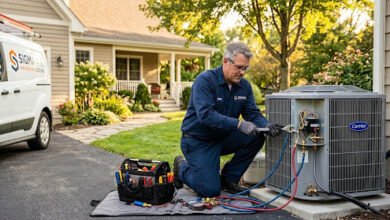
There’s also a safety dimension that’s easy to overlook. Furnaces that aren’t functioning correctly can pose real risks, from carbon monoxide exposure to electrical fires. Trained professionals know exactly what to check and how to identify hazards that an untrained eye might miss.
Why Homeowners Trust The Lee Thompson Company
Fast, reliable heating repair that keeps your family warm without breaking the bank starts with a team that treats every home like their own. That’s the approach The Lee Thompson Company has built its reputation on, delivering dependable service to homeowners who simply want their heating systems to work when they need them most.
The team at The Lee Thompson Company understands that heating emergencies don’t wait for convenient timing. That’s why the company prioritizes prompt diagnostics, transparent pricing, and repairs completed right the first time. Rather than offering quick fixes that lead to repeat service calls, technicians take the time to identify underlying issues and resolve them thoroughly.
Homeowners working with The Lee Thompson Company also benefit from a team that explains what’s happening in plain language. No confusing jargon, no upselling unnecessary parts — just honest assessments and practical solutions that fit both the home and the budget.
Whether it’s a sudden breakdown in the middle of winter or a routine tune-up to prevent future problems, The Lee Thompson Company brings the experience and attention to detail that heating systems deserve.
Keeping Comfortable All Season Long
Cold weather isn’t going anywhere, and neither should the warmth in your home. Staying ahead of heating problems, through regular maintenance and prompt repairs when something seems off, makes a measurable difference in comfort, safety, and long-term costs.
If your heating system has been acting up, don’t wait for a complete breakdown to take action. A quick inspection today could prevent a much bigger headache tomorrow. Reach out to The Lee Thompson Company to schedule a diagnostic and get your home back to comfortable, no matter how low the temperature drops outside.
Frequently Asked Questions
How often should a heating system be inspected?
Most manufacturers recommend an annual inspection, ideally before the start of the heating season, to catch small issues before they become costly repairs.
Is it worth repairing an older furnace, or should I replace it?
This depends on the age of the unit and the extent of the damage. A qualified technician can assess whether a repair makes sense or if replacement would be more cost-effective long-term.
What should I do if I smell gas near my furnace?
Leave the home immediately and contact your gas provider or emergency services. Once it’s safe, reach out to a professional technician to inspect the system before restarting it.