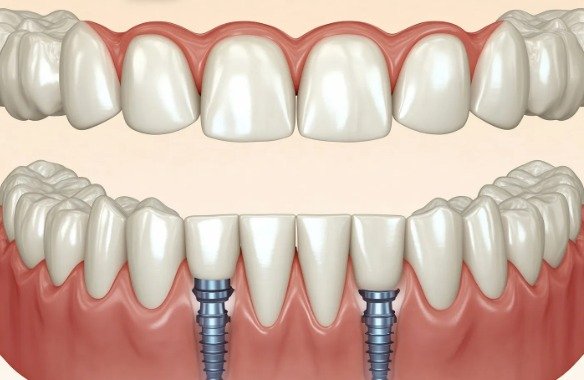
We have to mention stable implant-supported teeth when we talk about the most effective and long-lasting investment that you can make for your oral health to restore your smile. Traditional removable dentures can slip or shift the implant-retained prosthetic options on the other hand are anchored directly into the jawbone. This creates a foundation that functions exactly like your natural teeth.
If you are considering or preparing for this procedure, knowing what comes ahead can decrease your anxiety and also help you prepare for a smooth recovery. Below, we’re going to give you a complete overview of what exactly you should expect.
Initial Consultation and Comprehensive Planning
Your journey starts with a detailed evaluation by the dental specialist. During this phase, the dentist is going to assess your oral health, review your medical history and also discuss the specific goals you have.
There are advanced diagnostic tools that are used for complete scans and these are used to create a precise map of your mouth. These detailed images allow the surgical team to assess everything and plan the right angle and placement for each dental implant. If there is bone loss because of long-term tooth loss your dentist will discuss the procedures to build a strong foundation for your implants.
The Implant Surgery
Once the treatment plan is finalized the next step is the surgical placement of the implants. Dental implants are designed to function as artificial roots.
The procedure is performed under local anesthesia through different options of sedation which are available for patients seeking extra comfort. This way you do not feel any pain during the surgery.
The surgeon makes a small incision in the gum tissue, prepares the holes in the jawbone, and inserts the titanium posts.
Depending on your plan a temporary set of teeth is going to be fitted on the same day which helps you to maintain a functional smile.
Osseointegration and Healing
The secret behind stable implant-supported teeth is a natural process which is known as osseointegration. Within 3 to 6 months following surgery, your jawbone fuses with the surface of the implant directly.
During this healing period, the temporary restoration lets you speak and smile comfortably. But you will need to follow the guidelines that your dentist is going to give you which will include not chewing on hard foods. There will be mild discomfort and minor bruising in the first few days and that is completely normal and can also be managed with pain relief medicines and cold compresses.
Abutment Placement and Final Digital Impressions
After the dentist confirms that osseointegration has taken place successfully you will return for the next phase which is the restoration phase.
If the implants were covered during the initial surgery, a quick procedure is performed under anesthesia to reveal the tops of the posts and attach small connector pieces. These protrude slightly above the gum line and serve as the anchor points for the final bridge.
Once the gums surrounding the abutments heal in a week or two your dentist is going to take the final digital impression. This measurement is sent to the dental laboratory where technicians will craft permanent prosthetic teeth according to your facial features, your natural bite, and preferred shade.
Delivering Your Permanent Smile
The arrival of the final prosthetic teeth marks the end of your treatment. Your dentist carefully places and secures the custom bridges.
During the appointment, the dentist will verify everything. This includes bite alignment, appearance, and comfort. There are also minor adjustments that are made to make sure that chewing forces are distributed evenly. Once it is secured the new teeth remain in place. This eliminates the worry of slipping.
Long-Term Care and Maintenance
The stable implant-supported teeth cannot develop cavities. At the same time maintaining oral hygiene is important to prevent any sort of issues.
- You should not take brushing for granted and you must do it twice every single day. You must also use brush that has really soft bristles. There are also different tools that you can use that are specialized for implant bridges like water flossers.
- For a complete checkup, deep cleaning, and structural evaluations, you must also visit your dentist every six months.
Your implant-retained teeth can provide a lifetime of confident smiles and effortless eating when you take care of your teeth, maintain a healthy lifestyle, and go for regular dental visits.
Besides that, if you want to get this procedure done and you’re looking for a trustworthy place then you must get in touch with us at Today’s Dental.