When Familiar Places Feel Unfamiliar: Eight Ways to Make Memory Care More Personal

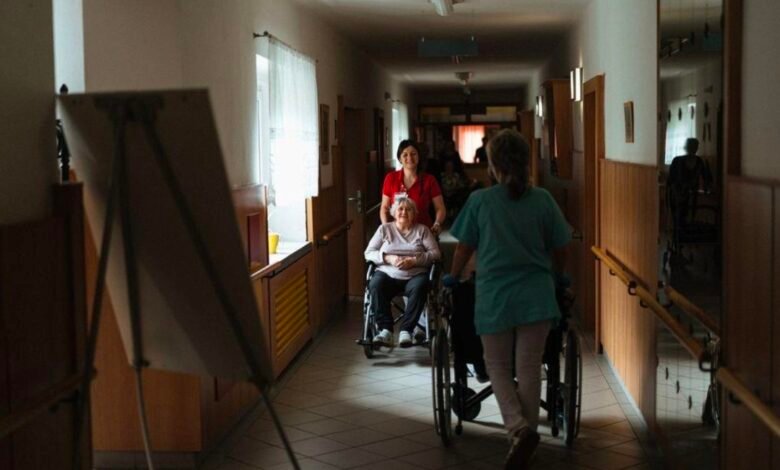
For families in Verona, Wisconsin, watching an aging parent struggle with memory loss can be unsettling. A loved one who once managed an entire household may begin forgetting appointments, getting confused during familiar routines, or struggling to recognize places they’ve visited for years.
These changes raise difficult questions. Is it still safe for them to live independently? Would additional help at home be enough? How can the family protect their safety without taking away their sense of independence?
Memory care isn’t simply about supervision. It’s about creating an environment where people living with Alzheimer’s disease or other forms of dementia can experience comfort, connection, and meaningful daily activities.
Understanding what effective memory care looks like can help families make thoughtful decisions before a crisis forces them to act.
Recognize When Everyday Forgetfulness Becomes a Safety Concern
Occasionally forgetting a name or misplacing an object doesn’t automatically indicate dementia. However, repeated confusion that interferes with everyday functioning deserves medical attention.
Warning signs may include getting lost in familiar neighborhoods, forgetting to turn off appliances, struggling with medications, or becoming increasingly disoriented.
For families exploring Verona assisted living, understanding the difference between general senior assistance and specialized memory care is essential. Traditional assisted living may support bathing, dressing, and medication management, while memory care provides additional safeguards and dementia-focused assistance.
A person experiencing significant cognitive changes may need more structured routines, trained caregivers, and an environment designed to reduce confusion.
Before choosing a care arrangement, families should seek a professional assessment to understand the individual’s needs.
Some memory problems can have treatable causes, including medication effects, nutritional deficiencies, or other medical conditions.
An accurate evaluation helps families avoid making major decisions based on assumptions.
Create Predictable Routines Without Making Life Feel Restricted
Familiar routines can provide reassurance when memory and orientation become less reliable.
Regular mealtimes, consistent waking schedules, and recognizable daily activities may help reduce uncertainty.
However, structure shouldn’t mean removing every opportunity for personal choice.
Someone who has always enjoyed gardening might continue participating in supervised planting activities.
A former teacher may appreciate reading aloud or helping organize simple group discussions.
The objective is to preserve familiar interests while adjusting activities to current abilities.
Caregivers should observe which routines create comfort and which cause frustration.
Flexibility remains important because cognitive symptoms, energy levels, and emotional responses can change throughout the day.
A predictable environment works best when it supports the person rather than forcing them into an inflexible schedule.
Use Familiar Objects to Support Identity and Emotional Comfort
Memory loss can affect a person’s ability to recall recent events, but meaningful connections with familiar objects and experiences may remain.
Family photographs, favorite blankets, recognizable music, and personal belongings can make an unfamiliar environment feel more welcoming.
When preparing a room in a memory care community, families can select items associated with positive memories.
Avoid overcrowding the space with decorations that create visual confusion.
Clearly displayed photographs and familiar furniture may provide reassurance during transitions.
Caregivers can also learn about the person’s previous occupation, hobbies, cultural traditions, and family relationships.
This background helps them create activities and conversations that reflect the individual’s identity.
Person-centered care recognizes that a dementia diagnosis doesn’t erase someone’s personality, preferences, or life experiences.
Design Living Spaces That Reduce Confusion and Prevent Accidents
The physical environment can strongly influence daily experiences for someone living with dementia.
Poor lighting, confusing hallways, cluttered rooms, and unfamiliar layouts may increase disorientation.
Thoughtful design can make spaces easier to navigate.
Clear walking paths, recognizable room entrances, and consistent furniture arrangements help residents move through their surroundings.
Adequate lighting may reduce shadows that some individuals find unsettling.
Bathrooms should include appropriate safety features, and frequently used belongings should remain accessible.
Secure outdoor areas can also provide opportunities for fresh air and gentle movement without unnecessary wandering risks.
Environmental design should balance safety with dignity.
Restricting movement more than necessary can increase frustration and reduce opportunities for independence.
The strongest environments allow residents to participate in ordinary activities with suitable support.
Communicate With Patience Instead of Correcting Every Mistake
Conversations can become challenging as dementia affects language, attention, and the ability to process information.
A person may repeat questions, forget recent discussions, or struggle to find familiar words.
Constant correction can create embarrassment or anxiety without improving understanding.
Caregivers can use short sentences, maintain a calm tone, and allow additional time for responses.
Asking one question at a time may be easier than presenting several choices simultaneously.
Nonverbal communication also matters.
Facial expressions, gestures, and a reassuring presence can help convey meaning when spoken language becomes difficult.
When someone expresses an inaccurate belief, caregivers should consider the emotion behind the statement rather than automatically arguing about facts.
Respectful communication preserves dignity and can reduce unnecessary distress.
Evaluate Memory Care Through Everyday Interactions
Choosing a memory care community involves more than comparing room sizes, amenities, and monthly fees.
Families should pay close attention to how caregivers interact with residents.
Are staff members patient during conversations? Do residents receive individualized attention? Are activities adapted to different abilities?
Ask about dementia-specific training, medication support, emergency procedures, staffing arrangements, and communication with families.
Explore how the community handles wandering, behavioral changes, medical needs, and transitions to higher levels of care.
A visit during ordinary daily activities may reveal more than a carefully prepared presentation.
Families should also review costs, contracts, and care assessment procedures before making commitments.
Memory care decisions are rarely simple, and no environment can eliminate every challenge associated with dementia.
Nevertheless, thoughtful support can make everyday life safer, more comfortable, and more meaningful.
For families navigating memory loss, the goal isn’t to recreate the past perfectly. It’s to preserve dignity, connection, and moments of enjoyment while adapting to changing needs.