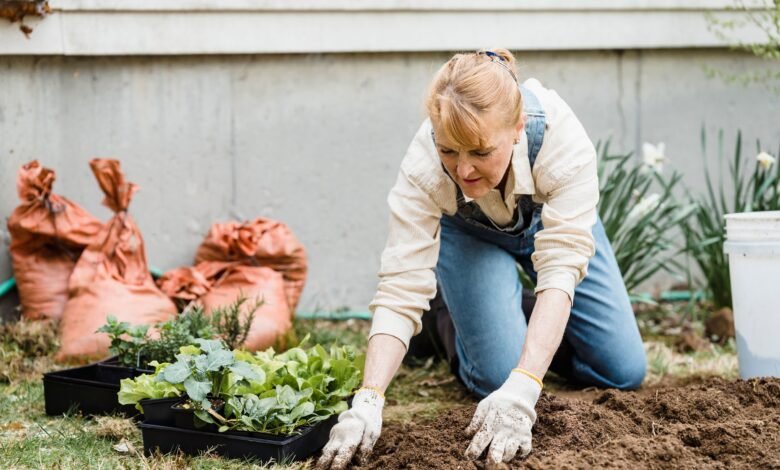
Traditional flat lawns often leave residential outdoor spaces underutilized and exposed. Upgrading your yard with thoughtful design turns open grass into a personal sanctuary where family and friends naturally gather.
By incorporating multi-tiered perennial borders, organic stone pathways, and defined zones, you can seamlessly transition your utilitarian backyard into an all-season open-air retreat. Strategic landscape architecture bridges the gap between indoor comfort and natural beauty.
How Do You Design Functional Outdoor Living Zones?
Defining distinct areas across your yard gives every square foot a clear purpose. You can establish dedicated spots for cooking, dining, and lounging by arranging your layout much like an indoor floor plan.
Transitioning between these outdoor areas becomes effortless when you use varied surface materials. Blending bluestone pavers with timber framing or gravel seating pockets establishes clear boundaries while maintaining an open feel. Investing in structural outdoor living space upgrades gives your home a durable foundation for dining, entertaining, and relaxing throughout the year.
Low retaining walls and low-maintenance borders can frame these seating areas without blocking views. This balance ensures your yard stays expansive while offering cozy pockets for conversation.
Creating Strategic Layouts
- Define distinct activity hubs: Arrange separate zones for cooking, dining, and lounging to mirror indoor floor plan flow.
- Incorporate multi-use hardscaping: Build low stone retaining walls that double as extra seating during larger outdoor gatherings.
- Establish clear walk paths: Direct foot traffic naturally between your patio doors and outlying garden features using stone pavers.
Why Does Botanical Layering Matter for Your Yard?
Building a rich botanical hierarchy prevents your garden from feeling flat or sterile. Combining tall canopy trees with mid-height ornamental shrubs and low-growing groundcovers creates a natural green curtain that shelters your yard.
A report from Architectural Digest highlights how arranging plants by height generates a multidimensional atmosphere while buffering unwanted noise. Tall background trees anchor the view, while mid-level shrubs introduce seasonal flowers and vibrant autumn colors.
Native groundcovers finish the composition by covering bare dirt, stabilizing topsoil, and locking in earth moisture. This balance brings structural harmony to every corner of your garden.
Choosing Microclimates and Plant Tiers
- Position canopy trees thoughtfully: Place taller shade trees along southern exposures to block harsh afternoon sun.
- Layer mid-story ornamental shrubs: Use flowering varieties to bridge the height gap between tall trees and lower garden beds.
- Plant dense groundcover perennials: Fill exposed soil around larger species to suppress weeds and trap soil moisture naturally.
How Can Hardscaping Improve Garden Flow?
Hardscape elements form the backbone of a successful residential landscape, guiding movement and giving structure to soft garden beds. Natural stone walkways, gravel gathering zones, and timber decks help link your home’s back doors directly to open-air patio seating.
Research featured in HGTV demonstrates that mixing materials like pea gravel, bluestone pavers, and wood decking fosters fluid transitions between indoor spaces and open-air patios. These material choices add tactile variation while reducing heavy foot traffic on grass lawns.
Integrating low retaining walls alongside walkways reinforces natural slopes, preventing soil erosion after heavy summer rains. These stonework details make your yard look structured even during winter months.
What Sensory Elements Create an Ambient Sanctuary?
Transforming a simple yard into an immersive sanctuary means engaging more than just visual senses. Soft acoustic elements and warm evening illumination turn outdoor environments into calming evening retreats.
A study published by Real Simple notes that integrating native perennials alongside structured walkways reduces ongoing yard maintenance by over 40 percent while maintaining constant visual texture. Adding gentle water features alongside native beds buffers neighborhood noise with soothing splashing sounds.
Low-voltage LED fixtures placed along garden pathways offer subtle visibility without harsh light pollution. Highlighting plant textures from below creates warm shadows that welcome you outside long after sundown.
How Do You Maintain Year-Round Visual Texture?
A welcoming backyard maintains its charm long after summer flowers fade. Selecting species with unique bark textures, evergreen foliage, and structural seed pods guarantees winter interest.
Evergreen hedges provide windbreaks and keep your property private when deciduous leaves fall. Interspersing ornamental grasses adds movement as winter breezes pass through the garden beds.
How Can Outdoor Lighting Extend Your Living Space?
Thoughtfully placed outdoor lighting allows you to enjoy your backyard long after sunset. Wall sconces, pendant fixtures, and recessed deck lights create a welcoming atmosphere while improving visibility around key gathering areas.
Highlighting architectural features and mature trees adds depth to your landscape after dark. Soft uplighting draws attention to foliage, while pathway lights help guests navigate safely between seating areas.
Choosing warm-toned, energy-efficient LED fixtures keeps the atmosphere comfortable without overwhelming the natural surroundings. Layered illumination creates a balanced outdoor setting that feels both practical and inviting.
What Role Does Water Play in Landscape Design?
Water features introduce movement and soothing sounds that make residential gardens feel more peaceful. A small fountain, reflecting pool, or compact pond can become a natural focal point without taking up excessive space.
Positioning water elements near patios or outdoor seating areas allows you to enjoy their calming effects while relaxing or entertaining guests. Surrounding these features with ornamental grasses and flowering perennials helps them blend seamlessly into the landscape.
Selecting appropriately sized, easy-to-maintain water features ensures they enhance your yard without creating unnecessary upkeep. With thoughtful placement, even a modest installation can bring a sense of tranquility to your outdoor retreat.
How Can Privacy Features Enhance Your Backyard?
Creating a private outdoor environment helps transform an exposed lawn into a comfortable extension of your home. Layered hedges, climbing plants, and strategically positioned ornamental trees can screen neighboring properties while preserving a natural appearance.
Decorative screens, timber pergolas, and vertical garden panels offer additional privacy around dining areas and lounge spaces. These structures also introduce height and architectural interest, making open yards feel more intimate and organized.
Combining natural screening with carefully planned seating arrangements establishes secluded corners for reading, dining, or unwinding. The result is a backyard that feels more personal, sheltered, and inviting throughout the seasons.
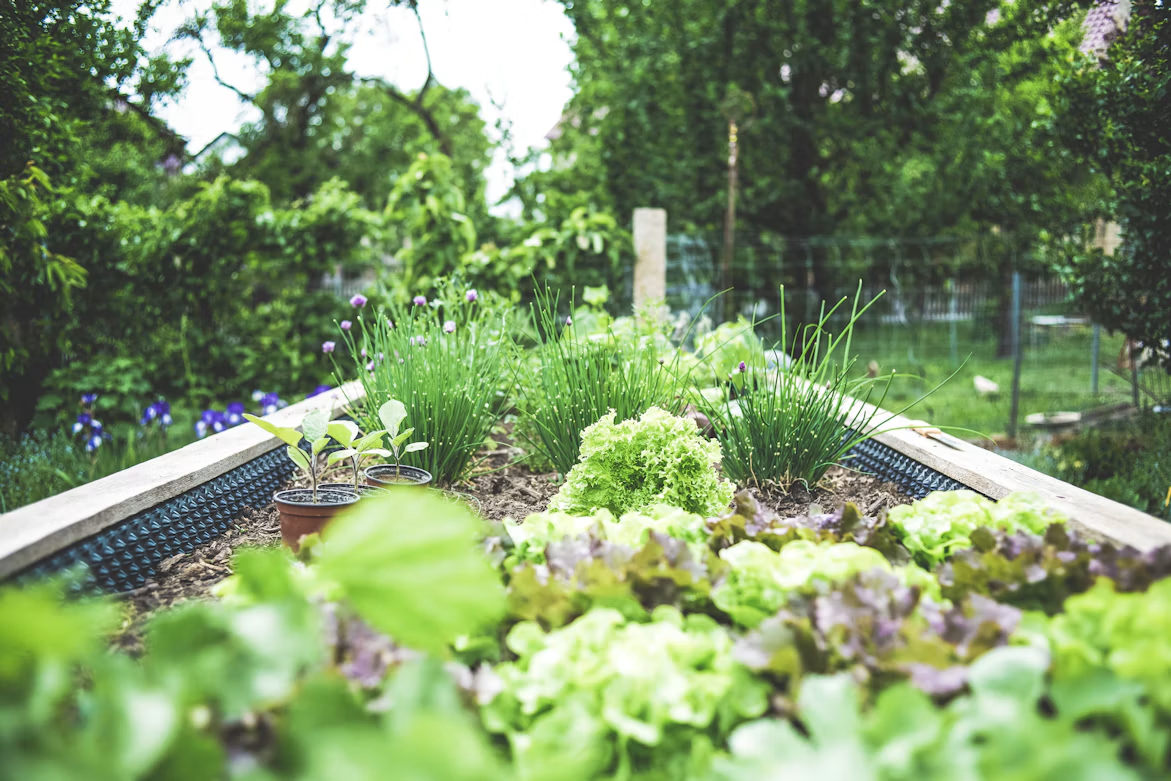
Thoughtfully combining hardscaping, rich plant tiers, and gentle sensory additions turns any basic lawn into a dynamic living extension of your home. Strategic choices today mean less weekend maintenance and more quality time spent relaxing in your private outdoor refuge.