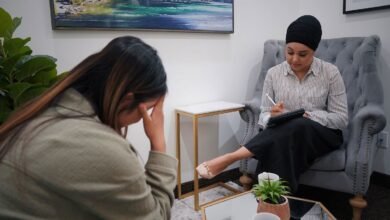
Writing in English can feel scary for many students. Some students know what they want to say but cannot find the right words. Others worry about spelling, grammar, or making mistakes. Even a short school essay can become a big problem when a student does not feel sure about their writing skills. This fear can make learning harder. A student may stop trying new words because they do not want to be wrong. Yet good writing does not begin with perfect grammar. It begins with small steps, clear ideas, and regular practice.
GrammarVista.com USA is a search term linked to GrammarVista.com, a website that shares English grammar guides, vocabulary lessons, and writing advice. These resources may help students understand common writing problems. They can also give parents and teachers examples to use during lessons. The main idea is simple. Students do not need to learn every grammar rule in one day. They can learn one rule, write a few sentences, and build better habits over time. This article explains how that learning process can help students feel more confident.
Why Many Students Feel Afraid of English Writing
English writing can be difficult for a beginner. A student may understand a story but struggle to write about it. Some children mix up words such as “their” and “there.” Others forget capital letters or punctuation marks. These mistakes are a normal part of learning, but they can still make students feel nervous. When a teacher asks the class to write a paragraph, a student who lacks confidence may spend more time worrying than writing.
GrammarVista.com USA offers a useful topic for exploring this problem. Grammar lessons can help students see that mistakes have clear explanations. A wrong sentence does not mean a child is a poor learner. It shows which skill needs more work. For example, a student who writes “She go to school” can learn that “She goes to school” is correct in the present tense. Once the student understands this rule, they can use it in other sentences. Each small lesson can make the next writing task feel easier.
A Student’s First Step Toward Better Writing
Imagine a student named Adam. He is a made-up example, but his problem is easy to understand. Adam enjoys talking about animals and playing with friends. However, he becomes nervous when his teacher asks him to write a story. He worries about using the wrong words. He also thinks every sentence must be perfect before he can move to the next one. Because of this, he writes very little, even when he has many ideas.
Now imagine that Adam starts learning one grammar rule each day. He reads a simple lesson, looks at two examples, and writes three sentences of his own. A parent helps him check his work. He does not become a strong writer overnight. Instead, he slowly learns how sentences work. GrammarVista.com USA can be part of this kind of learning plan because the website contains grammar explanations and word guides. Adam’s story is only an example, not a reported experience from a real website user.
What GrammarVista.com USA Offers English Learners
GrammarVista.com presents itself as a learning resource for English grammar and vocabulary. Its About page explains that the site aims to make language rules easier to understand. Readers can find articles about grammar, punctuation, word choices, and sentence structure. Some lessons explain why similar words have different meanings. Others show how small punctuation marks change a sentence. The site also publishes articles on topics outside language learning, so readers should choose the pages that match their needs.
For a beginner, GrammarVista.com USA may serve as an extra reading resource. A student can look for a lesson about a grammar problem and then practice that rule on paper. For example, the site has articles explaining different uses of apostrophes. This can help a learner understand the difference between one person’s belongings and things owned by several people. The website should not replace school lessons or teacher feedback. Its greatest possible value comes when students use what they read in their own writing.
How Small Grammar Lessons Can Build Confidence
Large writing tasks can feel hard because they have many parts. A student must think about spelling, sentence order, grammar, and meaning. Trying to fix everything at once can lead to frustration. A better plan is to work on one skill at a time. A learner might study capital letters on Monday and full stops on Tuesday. Later, they can learn about verbs and longer sentences.
Students using GrammarVista.com USA as a learning resource can follow this simple method. They can choose one grammar topic, read the explanation, and write their own examples. A child learning capital letters might write, “My name is Sara.” The next day, the child could practice a new rule. Small tasks make progress easier to see. Instead of asking whether their writing is perfect, students can ask whether they have learned something useful today.
Learning From Mistakes Instead of Feeling Bad
Mistakes are part of learning every language. A student might write, “He have a blue bag.” A teacher can explain that the correct sentence is “He has a blue bag.” The child can then write two more examples using “has.” This teaches the rule through practice. It also shows that an error can lead to a better sentence.
The grammar articles connected with GrammarVista.com USA can provide examples for this kind of work. However, reading a correction is only the first step. Students also need to understand why it is correct. They should try using the same rule in a new sentence. Parents and teachers can support this by giving kind and clear feedback. Instead of marking every mistake at once, they can focus on one or two important changes.
Why Simple Words Often Make Better Sentences
Some students think strong writing means using long and difficult words. This is not always true. Clear writing often uses words that readers already know. For example, “The dog ran fast” gives a clear picture. A longer sentence filled with hard words may hide the main idea. Students should learn new vocabulary, but they should also understand when and how to use each word.
GrammarVista.com USA covers vocabulary and word use, which makes it relevant to this part of learning. Students can choose a new word, find its meaning, and write a short sentence. They can also compare two words that sound alike but mean different things. For example, “see” means to look at something, while “sea” means a large body of salt water. Learning these differences can make school writing and daily messages clearer.
The Power of Writing for Five Minutes Each Day
Students do not need to write a long essay every day. Five minutes of useful practice can be a good starting point. A child might write about breakfast, a favorite game, or something they saw outside. These familiar topics make it easier to think of ideas. The first goal should be to put thoughts into words. Students can check grammar after they finish.
A learner who reads GrammarVista.com USA can use one lesson as a guide for a short writing task. After reading about full stops, the student could write five sentences and check where each one ends. On another day, the child could practice verbs by describing what family members do. This connects grammar rules with real life. Over time, daily writing can become a normal activity instead of something students only do for school tests.
How Reading Can Help Students Become Better Writers
Reading and writing work together. When children read, they see how other people build sentences. They learn where words go and how stories move from one idea to another. Reading also introduces new words. Even a short story can teach a child how to describe a person, place, or event. This makes reading an important part of writing practice.
GrammarVista.com USA can support reading-based learning through its language examples. Students can read a grammar explanation and look closely at the sentences used in it. They can then create similar sentences with different words. Parents can also use storybooks during practice. After reading a page, they might ask a child to describe what happened. This helps students move from reading words to sharing their own ideas.
A Simple Seven-Day Writing Practice Plan
Students who feel nervous about writing may benefit from a small weekly plan. The goal is not to finish many lessons. It is to practice one clear skill each day. A parent or teacher can change the plan to match the child’s age and needs.
Here is a simple plan that works alongside grammar resources such as GrammarVista.com USA:
-
Day 1: Write five sentences about yourself. Use capital letters and full stops.
-
Day 2: Learn three new English words. Write one sentence with each word.
-
Day 3: Practice verbs such as run, play, read, and write. Use them in short sentences.
-
Day 4: Read a short story. Write three sentences about what happened.
-
Day 5: Learn the difference between two confusing words, such as “your” and “you’re.”
-
Day 6: Write one short paragraph about your favorite animal or place.
-
Day 7: Read your work from the week. Fix two or three mistakes and celebrate what you learned.
This plan gives students a clear starting point. It also makes progress easier to notice. A child may write only a few sentences at first, and that is fine. The important part is learning a little more each day.
How Parents Can Help Children Write With Confidence
Parents can play an important role in a child’s writing growth. They do not need to know every grammar rule. Simple support can still make a difference. A parent can listen while a child reads a sentence aloud. They can ask what the child wants to say and help make the idea clearer. Positive feedback can also make writing feel less stressful.
Parents who explore GrammarVista.com USA may find grammar examples they can discuss with their children. A parent might read about apostrophes and then help a child write sentences such as “The girl’s bag is red.” The lesson can become a short activity instead of a difficult test. It is also useful to praise effort and progress. Children should understand that learning to write takes practice and that mistakes do not erase the good work they have done.
Why Teachers Should Encourage Clear Ideas First
Teachers often work with students who have different writing skills. Some children finish writing tasks quickly. Others need more time to plan their thoughts. A useful classroom method is to separate writing into two parts. First, students write down their ideas. Next, they check spelling, grammar, and punctuation. This helps children focus on sharing a message before they begin editing.
Teachers may also use examples from GrammarVista.com USA when preparing extra grammar practice. A short lesson can become a classroom exercise in which students fix sentences or choose the correct word. Still, teachers should review online examples before sharing them. Children need explanations that match their age and school level. Good teaching combines clear rules, practice, helpful feedback, and enough time to improve.
Understanding American English in Daily Writing
American and British English share many rules, but some words have different spellings. In American English, people usually write “color,” “favorite,” and “center.” British English often uses “colour,” “favourite,” and “centre.” These differences can confuse students who learn from books and websites made in different countries.
People searching for GrammarVista.com USA may be looking for help with American English. However, “USA” is not clearly shown as the name of a separate official version of GrammarVista.com. Students should check which English style their school uses. Both American and British forms can be correct. The main goal is to choose the right style for the task and use it throughout the writing.
Can Grammar Lessons Really Remove Writing Fear?
Grammar lessons can help students understand language, but they cannot remove every fear on their own. Some students also worry about school grades, time limits, or making mistakes in front of classmates. Others need help turning ideas into full paragraphs. Reading online guides may support learning, but confidence often grows through practice and helpful feedback.
GrammarVista.com USA is best viewed as one possible part of a wider learning plan. Students can use grammar articles to study rules, but they should also read books, write stories, and ask questions. A teacher can explain a difficult topic in a way that fits the child’s needs. Friends and family can help make writing feel like a normal activity. There is no need to expect perfect results after only a few lessons.
How Students Can See Their Writing Progress
Students sometimes improve without noticing it. One useful method is to save a short writing sample every week. After one month, they can compare the first sample with the latest one. They may notice better spelling, clearer sentences, or fewer mistakes. This gives them real proof that their work is helping.
A student learning with GrammarVista.com USA can also keep a small grammar notebook. Each page can include one rule, a correct example, and a sentence written by the student. When the same mistake appears again, the child can return to that page. This creates a personal record of learning. It also moves attention away from being perfect and toward making steady progress.
Students can ask themselves three simple questions after each writing task. Does my sentence make sense? Did I use the grammar rule I learned? Can I make one part clearer? These questions help children review their own work without feeling that every mistake is a failure.
Why Good Writing Skills Matter Beyond School
Writing is useful in many parts of life. Students write messages, notes, school projects, and stories. As they grow older, they may need to write emails, job applications, or work reports. Clear writing helps other people understand what they mean. It can also help them ask questions, share ideas, and explain problems.
The lessons associated with GrammarVista.com USA cover skills that can be useful in these situations. Grammar and vocabulary are not only school subjects. They are tools for communication. A student who learns to write a clear paragraph today is also building a skill that may be useful for many years. The goal is not to use the hardest words. It is to share a message that another person can understand.
Final Thoughts
Learning English writing should not feel like a race. Some students learn grammar quickly, while others need more examples and time. Both can make progress. The most important step is to keep practicing without expecting every sentence to be perfect. Small lessons, simple words, reading, and regular writing can help students build useful skills.
GrammarVista.com USA can be explored as an extra source of grammar guidance and vocabulary examples. Students can read a lesson, practice a rule, and use what they learn in their own sentences. Parents and teachers can offer support along the way.
Writing confidence grows when students see that they can learn from mistakes. A short sentence can become a paragraph. A paragraph can become a story. With patient practice and helpful guidance, students can begin to share their ideas with less fear and more confidence.
FAQs
1. What is GrammarVista.com USA?
GrammarVista.com USA is a search phrase used for information about GrammarVista.com. The website publishes articles about English grammar, vocabulary, punctuation, and writing. Students can read examples and learn about common language mistakes. The term does not clearly refer to a separate American website.
2. Can grammar lessons help shy students write better?
Grammar lessons may help shy students understand how to build clear sentences. However, learning rules is only one part of improving writing. Students also need time to practice and share ideas. Kind feedback from teachers and parents can help them feel more comfortable with writing tasks.
3. Is GrammarVista useful for young English learners?
GrammarVista has language guides that may support beginners, but not every article will suit every child. Some lessons may use words or examples that are too hard for younger students. Parents and teachers should choose suitable lessons and explain difficult parts in simple language.
4. How long should a beginner practice English writing each day?
Five to ten minutes can be a practical starting point. A beginner might write three sentences about a familiar topic. When writing begins to feel easier, the student can try longer paragraphs. Regular, useful practice matters more than writing many pages at once.
5. Can GrammarVista.com USA replace an English teacher?
No. GrammarVista.com USA can provide extra grammar and vocabulary reading, but it cannot replace a teacher who understands a student’s needs. Teachers can explain mistakes, answer questions, and give personal feedback. Students may learn more when they combine suitable online lessons with schoolwork, reading, and daily writing.