
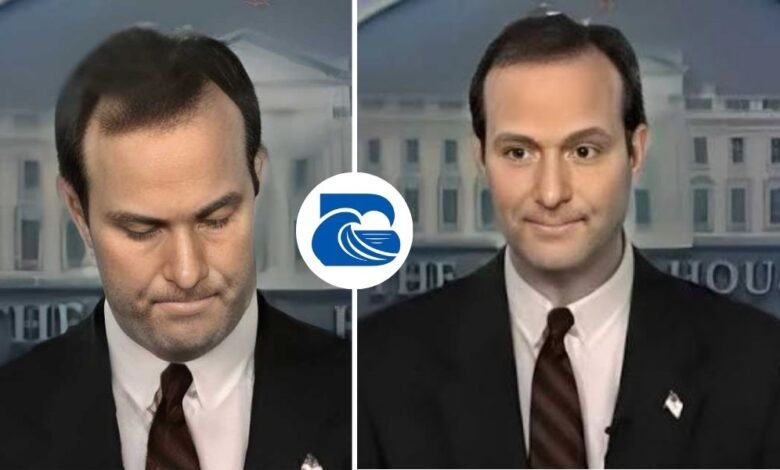
The name theodore barrett has become a strong example of how fast a viral story can spread online. Many people saw a video clip and thought it showed a real White House official. The clip looked serious. The setting looked official. The man in the video spoke like a real press worker. Because of this, many viewers believed the story before checking it.
But bloggers must be careful. The story linked to theodore barrett is not a real public life story. It is tied to satire. Fact-checkers have explained that the viral clip came from The Onion, a satirical news outlet, and that Theodore Barrett was a fictional character, not a real White House deputy press secretary.
This matters because bloggers have power. A blog post can help readers learn the truth. It can also spread false details if the writer is not careful. A good blogger should not turn a fake story into a fake biography. A good blogger should tell readers what is known, what is not known, and what should not be claimed.
This article explains how bloggers should write about theodore barrett in an honest way.
Who Is Theodore Barrett?
Many people search for theodore barrett because they see a strange video online. In the video, a man appears to speak at a White House press event. He seems to talk about the death of his wife and then moves back to official topics. The clip can shock viewers because the man appears calm during a sad moment.
But this story should not be treated like a real news event. Theodore Barrett was not a real White House official in this viral story. He was a fictional character in a satirical video. India Today’s fact-check said the clip was from The Onion and not a real press briefing.
That is the most important point for bloggers.
Before writing any article, remember these points:
-
Theodore Barrett is fictional in the viral video.
-
The wife story is also part of the satire.
-
The clip should not be used as proof of a real tragedy.
-
Bloggers should not add fake family details.
-
Writers should explain the satire clearly.
This helps readers understand the truth without confusion.
Why This Story Fooled Many People
The theodore barrett story fooled many people because it looked real. A press room can make a video feel official. A serious voice can make a fake story feel true. A formal suit, a podium, and a news style can make people believe what they see.
This is how satire works. Satire often copies the style of real news. It uses serious words to make a joke, point, or social comment. The Onion is known for this kind of content. It publishes satire in a way that often looks like news.
The problem starts when people share the clip without context. A short video can be cut from its original source. The logo may be missing. The date may be missing. The caption may say something false. Then new viewers may think it is real.
This is why bloggers must slow down. They should not write fast only because a keyword is trending. They should check the source first.
Why Bloggers Should Not Call Him a Real Official
Some blog posts online may treat theodore barrett like a real person. They may say he was a press secretary. They may write about his wife. They may add personal details. This is not safe writing.
When a blogger calls a fictional character a real official, it creates a false record. Readers may believe it. Other websites may copy it. Search engines may show it. Soon, a fake story can look like a real fact.
Bloggers should avoid lines like:
-
“Theodore Barrett served in the White House.”
-
“Theodore Barrett lost his wife in a car accident.”
-
“Theodore Barrett’s family stayed private.”
-
“Theodore Barrett’s children live away from the media.”
-
“Theodore Barrett gave a real press briefing after tragedy.”
These lines can mislead readers. They make fiction sound like fact.
A better way to write is:
-
“Theodore Barrett is a fictional character linked to a satirical video.”
-
“The viral clip was not a real White House briefing.”
-
“The wife accident story was part of the satire.”
-
“Bloggers should not treat the clip as a real biography.”
-
“The story is useful as a lesson in media checking.”
This is honest. It is also helpful.
Explain That the Story Came From Satire
A strong blog post about theodore barrett should explain satire in simple words. Many readers may not know what satire means. Some may think satire is the same as fake news. It is not always that simple.
Satire is made to joke, criticize, or make people think. It often copies real news style. It may use fake names, fake events, or fake quotes. The goal is not to report a real event. The goal is to make a point.
The theodore barrett video is a good example. It looked like a serious press event. But it was not a real event. It was a made-up scene. The serious style made the joke stronger. But when the clip moved away from its source, many people missed the joke.
Bloggers can explain it like this:
-
Satire may look like news.
-
Satire may use real-looking settings.
-
Satire may use serious voices.
-
Satire can be shared without context.
-
Satire can confuse people when it goes viral.
This helps readers understand why the story spread.
Avoid Fake Wife, Kids, and Private Details
One of the biggest mistakes bloggers make is adding private details that are not true. For theodore barrett, some writers may try to build a full family story. They may add a wife name, children, age, career, or net worth. This is wrong if the details are not real.
A fictional character does not need a fake biography. A satire clip does not need a fake family tree. Bloggers should not invent emotional details just to make the article longer.
This is very important for trust. Readers come to a blog for help. They want clear answers. If they find fake details, they may stop trusting the site.
Do not add:
-
Fake age
-
Fake wife details
-
Fake children
-
Fake net worth
-
Fake birth place
-
Fake job history
-
Fake quotes
-
Fake public records
Instead, write about what the story teaches. Write about media literacy. Write about fact-checking. Write about viral clips. That gives value without making false claims.
Use Clear Words Like Fictional and Satirical
A good article should not hide the truth. It should say clearly that theodore barrett is fictional in the viral story. Use simple words. Do not make the reader wait until the end.
Good words to use include:
-
fictional
-
satirical
-
made-up
-
not a real official
-
not a real press briefing
-
from The Onion
-
viral clip
-
misleading when shared without context
These words help readers right away. They also help your article stay honest.
A weak article may say, “There is debate about Theodore Barrett.” That can confuse readers. There is no need to make it sound like a mystery if fact-checkers have already explained the clip. The better line is simple: Theodore Barrett was a fictional character in a satirical video, not a real White House official in that story.
How Bloggers Can Check Viral Claims
Bloggers should have a simple checking process before writing about viral names. This process does not need to be hard. It just needs to be careful.
Before writing about theodore barrett, a blogger should ask:
-
Where did the video first come from?
-
Is the source a real news outlet or a satire site?
-
Is there a real government record?
-
Did trusted fact-checkers review the claim?
-
Are other websites only copying the same story?
-
Does the story include proof, or only emotion?
-
Is the video old but being shared like it is new?
These questions can stop false claims before they enter the article.
A blogger can also check official sources. If someone was a real White House press official, there should be reliable records, news reports, or official history. If the only source is a viral clip, that is not enough.
Why Honest Writing Builds Blog Trust
Honest writing is good for readers. It is also good for your blog. When readers see that your article corrects a false story, they may trust your site more. They may stay longer. They may read other posts. They may come back later.
Trust grows when a writer says:
-
“This part is true.”
-
“This part is not true.”
-
“This part came from satire.”
-
“There is no proof for this claim.”
-
“This detail should not be treated as fact.”
This style is simple, but strong. It shows care. It also helps your blog stand apart from low-quality sites.
Many blogs try to rank by copying popular words. But a better blog gives readers a clear answer. For theodore barrett, the clear answer is that the viral story is not a real biography. It is a lesson about satire and online sharing.
The Risk of Writing Fake Viral Biographies
Fake biographies are harmful. They can make readers believe things that never happened. They can also hurt the quality of the web. When many sites copy fake details, it becomes harder for people to find the truth.
A fake biography about theodore barrett may seem harmless because he is fictional in the viral story. But the habit is still bad. If a blogger invents details for one story, they may do it again for a real person. That can cause real harm.
Fake viral biographies often have the same problems:
-
They use emotional titles.
-
They add family details without proof.
-
They copy from weak sites.
-
They do not name the real source.
-
They use “reportedly” without real reports.
-
They turn a clip into a full life story.
-
They do not tell readers what is satire.
Bloggers should avoid this style. It may bring clicks for a short time, but it can damage trust.
Better Ways to Structure a Theodore Barrett Article
A good theodore barrett article should be clear from the start. It should not act like the story is a real mystery. It should explain the truth first, then give useful lessons.
A strong structure could look like this:
-
Intro: Explain why people search for Theodore Barrett.
-
Quick truth: State that he is fictional in the viral story.
-
Source: Explain the link to The Onion.
-
Satire: Tell readers what satire means.
-
Viral spread: Explain why the clip fooled people.
-
Blogging lesson: Show how writers can avoid false claims.
-
Fact-check steps: Teach readers how to check viral stories.
-
Conclusion: Remind readers to value truth over clicks.
This kind of structure is simple. It is also useful. It gives the reader a full answer without fake drama.
What Bloggers Should Say Instead
Writers can cover theodore barrett in a clean and safe way. They can still make the article interesting. They do not need fake family facts or fake career claims.
Here are better lines to use:
-
“Theodore Barrett is known online because of a viral satirical clip.”
-
“The clip has been mistaken by some viewers for a real White House event.”
-
“Fact-checkers have linked the video to The Onion.”
-
“The story should not be treated as a real death report.”
-
“The viral clip is a lesson in checking sources before sharing.”
-
“Bloggers should avoid adding fake biography details.”
These lines are honest and easy to read.
Why Readers Also Need This Lesson
This topic is not only for bloggers. Readers also need to learn from it. Every person who uses the internet sees viral posts. Some are true. Some are jokes. Some are old. Some are edited. Some are shared with false captions.
The theodore barrett story shows why readers should pause before believing a clip. A video can feel real and still be fiction. A serious face can still be acting. A news-style scene can still be satire.
Readers should do these simple checks:
-
Look for the original source.
-
Check the date.
-
Search the name in trusted sources.
-
See if fact-checkers covered the claim.
-
Be careful with emotional captions.
-
Do not share before checking.
-
Remember that satire can look real.
These steps are small, but they help stop false stories.
How This Topic Can Help New Bloggers
New bloggers often want to write fast. They see a keyword. They see search traffic. They want to publish before others. But speed should not beat truth.
The theodore barrett topic can teach new bloggers a good rule: never build an article on one viral clip. First, check the source. Then check the facts. Then decide the right angle.
For this topic, the right angle is not a life story. It is not a sad family article. It is not a real White House history post. The right angle is a media lesson.
New bloggers can learn these rules:
-
Do not invent facts.
-
Do not copy weak websites.
-
Do not use fake personal details.
-
Do not turn satire into news.
-
Do not hide the correction.
-
Do give readers a clear answer.
-
Do teach readers how to check claims.
This makes the article better and safer.
Final Thoughts
The story of theodore barrett is not a real biography. It is a lesson in how viral content can confuse people. The clip looked official, but it came from satire. Theodore Barrett was a fictional character in that viral story, not a real White House deputy press secretary.
For bloggers, this topic is a strong reminder. Do not chase clicks with fake facts. Do not add wife, kids, age, or career details without proof. Do not make a satire clip sound like a real tragedy.
Instead, be clear. Say what is true. Say what is not true. Use words like fictional and satirical. Show readers how to check viral claims. This kind of writing builds trust.
A good blog post does more than rank. It helps people understand the truth. That is the best way to write about theodore barrett and any other viral name online.