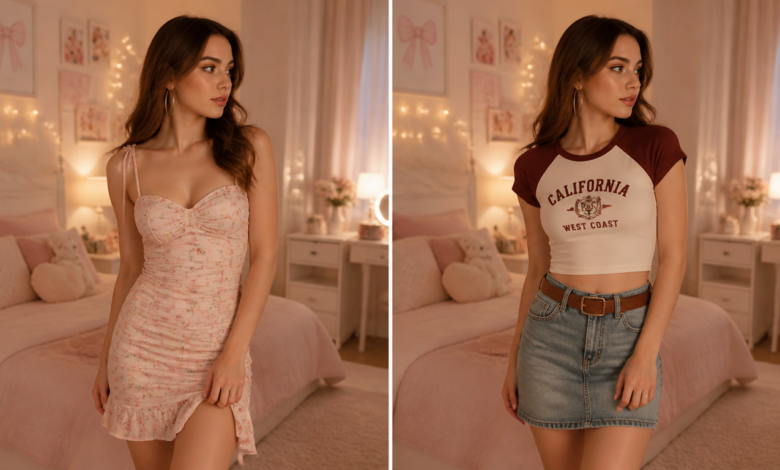
A strong social post needs a clear visual hook, but constantly buying outfits, booking shoots, or changing locations can drain a content budget fast. I’ve found that outfit changes are one of the simplest ways to make a single photo feel like several fresh pieces of content. With EasyFaceSwap, creators can test new looks without losing the face, pose, lighting, or framing that made the original image work.
An AI Clothes Changer is especially useful when you want to match a campaign theme, seasonal moment, or audience interest without reshooting every image. The best results usually start with a sharp, well lit photo where the subject’s clothing is visible and their arms are not blocking most of the outfit. Here are seven creative uses, ranked by how often they can turn one image into repeatable social content.
1. Build a Seasonal Style Series
Overview: A seasonal outfit series gives you easy content for spring, summer, autumn, and winter without needing four separate photo sessions. Use the same pose and background, then swap clothing to match each season, such as a light linen set for summer and a warm knit look for winter.
Key features: Keeping the photo composition consistent makes the outfit the main change. That creates a satisfying visual pattern in carousels, Reels covers, and side by side posts.
Pros and cons: The biggest advantage is efficiency, since one well planned portrait can support several months of content. The limitation is that the clothing must match the original lighting and setting, so a heavy winter coat may look odd against a bright beach backdrop.
Best for: Lifestyle creators, personal stylists, beauty accounts, and small brands with seasonal promotions. I’d use this format when I need a reliable posting theme that still feels visually varied.
2. Create “One Person, Three Moods” Posts
Overview: Outfit changes can tell a story about personality, not just fashion. Turn one portrait into three versions, such as relaxed weekend wear, polished workwear, and bold evening style.
Key features: Each look can have its own caption angle, music choice, or audience prompt. The casual version might ask followers what they wear on a day off, while the dressed up version can start a conversation about confidence or special events.
Pros and cons: This concept works because people enjoy seeing familiar faces in different contexts. It can feel repetitive if every variation uses only dramatic clothing, so include believable styles that fit the person’s usual content.
Best for: Creators building a personal brand, coaches, makeup artists, and anyone who wants their feed to show more than one side of their identity. The format also works well for an Instagram carousel because viewers naturally swipe to compare the looks.
3. Test Outfit Ideas Before a Real Shoot
Overview: Planning a campaign shoot often involves too much guessing. Use a clothes changer to preview color palettes, dress codes, and outfit directions before spending money on garments, props, or studio time.
Key features: You can try a formal blazer, neutral basics, bright streetwear, or a themed outfit while keeping the same face and pose. That makes it easier to see if the clothing supports your message or distracts from it.
Pros and cons: The practical benefit is fewer costly styling mistakes. Still, treat the image as a creative preview, not a perfect representation of real fabric fit, movement, or texture.
Best for: Content managers, photographers, agency teams, and entrepreneurs planning product launches. In my experience, this is most valuable when several people need to approve a visual direction before production begins.
4. Make Relatable “Expectation vs. Reality” Content
Overview: Humorous social content often performs because it feels honest. Use one image in a polished outfit for the “what I planned to wear” moment, then create a second version in a hoodie, pajamas, or an exaggeratedly casual look for the reality.
Key features: The joke lands when the pose and facial expression stay the same while the clothing changes completely. A simple caption can carry the post, so you don’t need complex editing or a long script.
Pros and cons: This idea is quick, relatable, and easy to adapt for work, parenting, dating, travel, and fitness niches. Keep the humor kind, though, because jokes about body image, income, or cultural dress can alienate the very audience you want to engage.
Best for: TikTok creators, meme focused accounts, office humor pages, and creators who already use casual voiceovers. It is also a useful fallback when you need a timely post but do not have new footage.
5. Show Audience Style Choices
Overview: Social media works better when followers feel involved. Create two or three outfit versions from the same image and ask your audience to choose the winner in a Story poll, comments post, or short video.
Key features: You can frame the choice around a specific situation, such as “Which look should I wear to a launch?” or “Pick my next profile photo outfit.” The shared pose makes the decision clear and prevents the background from influencing votes too much.
Pros and cons: Polls can raise engagement and give you real clues about what your audience likes. The downside is that a single poll is not market research, especially with a small audience, so use the response as a content signal rather than a final business decision.
Best for: Fashion creators, local boutiques, event planners, and product based brands. This is one of the easiest ideas to repeat because every new outfit pair becomes a fresh question.
6. Repackage Old Photos for New Campaigns
Overview: Many creators have good photos buried in old folders because the clothing no longer fits their current brand. Updating the outfit can give that image a second life for a new launch, a fresh profile banner, or a campaign post.
Key features: Keep the original photo’s best qualities, such as flattering light, a genuine expression, or a clean background, while bringing the clothing closer to your current visual identity. A neutral wardrobe update often works better than an overly detailed costume because it stays flexible.
Pros and cons: Reusing an existing image saves time and can keep your feed visually consistent. Be transparent when needed, particularly if the post could make followers think you attended a recent event or purchased an item you did not actually wear.
Best for: Rebranding creators, consultants, service businesses, and anyone with limited time for new photography. It is a smart way to stretch a strong image library without posting the exact same photo again.
7. Build Character Based Short Form Stories
Overview: The most creative use is turning one person into several characters in a short narrative. A creator can play the organized planner, the chaotic friend, the overdressed guest, and the person who forgot the dress code by changing outfits between scenes.
Key features: Consistent facial identity helps viewers understand that the different looks are part of the joke or story. Add clear text labels, simple cuts, and a recognizable situation so the clothing supports the narrative instead of becoming the entire point.
Pros and cons: This can make a solo creator’s videos feel larger and more playful without hiring extra actors. It takes more planning than a static post, and poor outfit choices can confuse the story, so map the characters before editing.
Best for: Comedy creators, educators, storytellers, and brands with a friendly personality. It is also useful for demonstrating customer types, workplace situations, or common fashion dilemmas.
Which Idea Delivers the Most Value?
Seasonal style series and old photo refreshes usually deliver the best long term value because they create reusable content from one strong image. Audience polls are the best choice when your goal is comments, votes, and quick interaction. Character stories take more effort, but they can earn the strongest watch time when the script is sharp.
Start with an image that already feels natural, then choose an outfit change that supports a clear message. The most convincing posts do not use AI simply because they can. They use it to make a joke clearer, test an idea faster, or give followers a reason to stop scrolling and respond.