Elizabeth Anderson Martin built her life around horses long before her marriage to William Shatner drew public notice. She worked as a rider, horse trainer, riding teacher, and show judge. Each role called for its own skills. Together, they show how deeply horses shaped her working life.
Her story starts with a child learning to ride. It grows into a career that includes show wins, art, and charity work. Shatner became part of that story through their shared love of horses. Yet her own path helps explain who she is and what she brought to their life together.
A Young Rider With a Lasting Interest
Elizabeth Anderson Martin began riding at five, according to her official All Glory Project biography. At eight, she got her first horse, a Galiceno pony. Those early steps came years before her connection to Hollywood.
A first pony can give a child more than riding practice. It can also bring lessons about care, patience, and safe behavior around animals. The public record does not describe all her childhood lessons. Still, the ages in her biography show that horses entered her life early. They also show that her interest lasted as she grew older.
Teaching While Still Young
By fourteen, Elizabeth Anderson Martin was teaching riding. Her official biography also says she took part in youth judging with the Indiana Arabian Club. She earned national honors and a scholarship that helped her attend a judging clinic.
This gave her more than one way to learn. Riding placed her on the horse. Teaching asked her to help someone else. Judging asked her to watch and compare.
These roles are linked, but they are not the same. Learning them while young gave her a broad start in a field she would follow for many years.
Learning Beyond the Riding Ring
Elizabeth Anderson Martin also studied horse and animal science at Purdue University. Her biography lists study in telecommunications at Butler University, too. It does not confirm degrees, so these studies should not be described as completed degrees.
For someone working with horses, study and practice serve different needs. A lesson can explain why an animal moves in a certain way. Daily work gives a person time to watch that movement.
Her education adds context to her career. It shows an interest in learning about animals beyond the act of riding, without telling us every course she took.
Building a Career as a Trainer
Her official biography credits Elizabeth Anderson Martin with twenty-five years as a professional light-breed horse trainer. That is a long record of work in a field where progress takes time.
A horse trainer helps an animal learn tasks and respond to clear signals. Training calls for practice, close attention, and care. A rider cannot simply explain a task in words and expect the horse to understand.
This helps readers see what her career involved. Horse training is skilled work. It draws on the person’s ability to notice small changes and guide learning through clear, steady steps.
Helping People Become Better Riders
Elizabeth Anderson Martin is also credited with thirty years as a saddle seat instructor. Saddle seat is a style of riding seen in certain horse show classes.
Teaching a rider involves much more than saying where to sit. An instructor must explain balance, timing, and how to give signals. The learner needs to understand what to do and when to do it.
A teacher watches both the horse and the person. If something goes wrong, either may need help. That makes teaching a separate skill from riding well. It asks the instructor to make knowledge useful to others.
The Skills Behind Judging
The same biography says Elizabeth Anderson Martin held nine judging cards. These credentials formed another part of her horse career. They should not be taken as proof that she holds every card today.
A show judge follows the rules of the class being judged. Different classes may ask for different things. A judge must know what matters in each one.
The task also calls for focus. Several horses may be in the ring at once. The judge watches, compares, and makes choices. That work depends on trained eyes and a clear grasp of the rules being used.
A Change in Status, With More Wins
In 2000, Elizabeth Anderson Martin became a nonprofessional competitor, according to her official biography. This change did not end her time in the show ring.
The biography credits her with world championship wins involving All Glory, The Full Monty, Boston Legal, and So Photogenic. It records success both riding and driving horses.
Professional status describes a person’s place under a sport’s rules. It does not tell the whole story of their skill. Someone can stop working as a paid trainer and still bring years of experience to a show. Her later record makes that distinction worth understanding.
Riding and driving deserve a clear distinction. Riding means sitting on the horse. Driving means guiding a horse that pulls a vehicle. Both involve signals and teamwork, but the person works from a different position. This helps explain the range behind a record that includes both kinds of competition.
A Shared Love With William Shatner
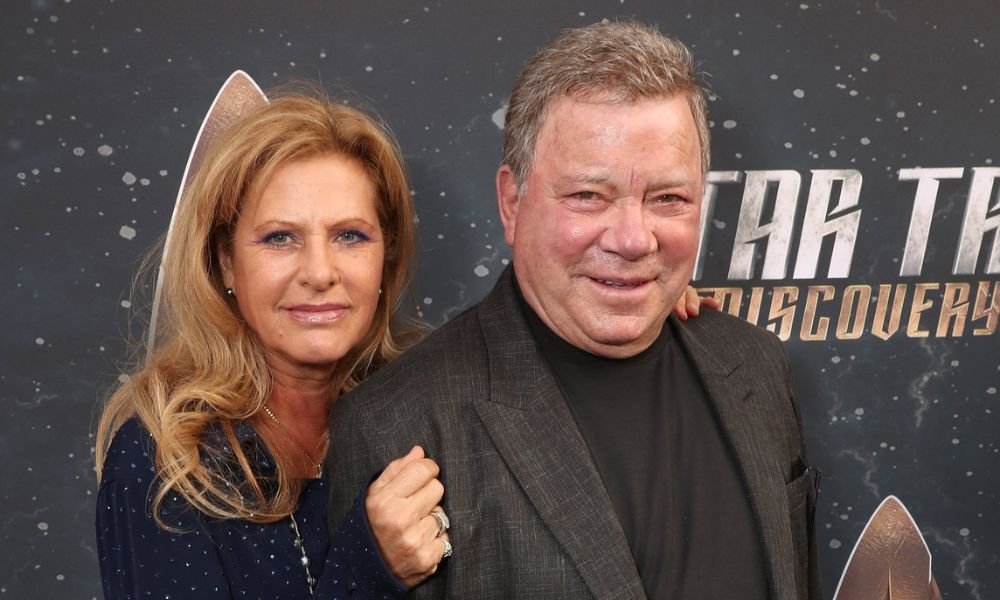
Horses were an important link between Elizabeth Anderson Martin and William Shatner. Both had a strong interest in the horse world. That gave them something to share beyond his screen career.
The linked AmoMama profile also reports that she sent Shatner a kind letter after the death of his wife. Elizabeth had lost her first husband, Michael Glenn Martin, to cancer.
Their connection therefore included more than a hobby. It also included the experience of losing a spouse. The public account gives these facts, but it cannot tell readers every private feeling or conversation behind their bond.
Keeping Her Own Career in View
Elizabeth Anderson Martin married William Shatner in 2001. By then, horses had already been part of her life for decades. That order matters when telling her story.
A famous partner can draw attention to someone’s work. It can also cause that work to fade behind the marriage. In her case, the early teaching, training, and judging record gives readers a fuller picture.
She entered their shared life with knowledge of her own. Their common interest was built on experience on both sides. Describing her skills helps explain the connection more clearly than a focus on fame alone.
Sharing Horses With the Family
A Saddle Horse Report profile described Elizabeth Anderson Martin as a lifelong horsewoman and judge. It also described the couple’s shared interest in showing and raising horses, including introducing grandchildren to horse activities.
That account places horses within family life as well as sport. There are many ways for a younger person to begin learning. Watching a class, asking questions, and learning safe behavior can all come before riding.
The report does not give a full account of those family lessons. It does show that their shared interest reached beyond the two of them and into another generation.
All Glory Opens a New Door
A horse named All Glory helped connect Elizabeth Anderson Martin with a new kind of work. The Standardbred, owned by Elizabeth and William, became the Celebration Horse at BreyerFest in Lexington, Kentucky, in 2010.
The All Glory Project traces its start to that event. While in Lexington, Elizabeth learned about Central Kentucky Riding for Hope. She then worked with supporters and sponsors to help fund a pilot Horses for Heroes program.
This gives the charity a clear starting point. A horse show connection became a chance to support others. Her interest took on a purpose beyond entering classes.
Turning Contacts Into Support
The All Glory Project supports programs for military members, veterans, and their families. Its stated mission includes helping centers start and expand animal-assisted services and related programs.
For Elizabeth Anderson Martin, this work brought another use for ties within the horse community. People who meet through shows may also know farms, donors, artists, and event teams.
Those links can help a project find support. A good idea needs people who can organize, raise funds, and work together. The charity’s history shows her taking part in that process. Her horse background became part of a wider effort to help.
Seeing Horses Through Art
Elizabeth Anderson Martin also brought horses into her creative work. Her art website presents an Unbridled Collection with images of horse life across different breeds and riding styles.
Art offers another way to look at the same subject. A judge watches how a horse meets a standard. An artist may focus on light, shape, movement, or mood.
A person does not need show experience to enjoy such an image. This gives horse art a wider audience. It can invite someone to look closely at an animal they might otherwise see only from a distance or on a screen.
What Her Different Roles Reveal
Elizabeth Anderson Martin’s career shows why the word horsewoman covers more than riding. Her record includes teaching people, training animals, judging shows, competing, making art, and supporting charity work.
Each role asks a different question. How does this horse learn? What does this rider need? How should this class be placed? How can this event help a cause?
Looking at those tasks gives the story shape. It also keeps the focus on actual work. Her career is best understood through these clear roles, rather than broad claims about talent or guesses about days that were never publicly recorded.
Final Thoughts
Elizabeth Anderson Martin’s horse story began in childhood and grew through years of learning and work. Her shared interest with William Shatner became one part of that path.
The wider story belongs to her own record: a young rider who went on to teach, train, judge, and compete. Later, horses also helped link her with art and service.
Keeping those facts at the center gives readers a useful view of her life. It shows how one lasting interest can take several forms while still remaining the thread that connects a person’s work across many different stages.