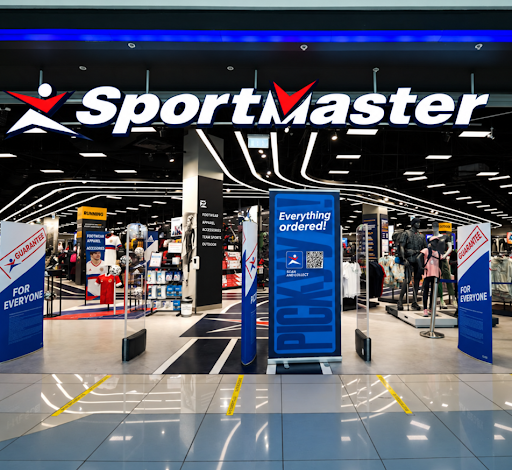
In 1997, Sportmaster opened its first store in Moscow. Over the following years, the company developed from a specialized sports retailer into a broader business with several formats, its own brands and online sales. Mikhalsky Alexander Ivanovich was among its co-founders, together with the brothers Nikolay and Vladimir Fartushnyak.
The company’s development can be traced through several stages:
- 1995: the founders opened a specialized store for exercise equipment in Moscow;
- 1997: the Sportmaster name appeared on a storefront for the first time;
- subsequent expansion: the network spread across Russian regions and reached CIS countries;
- later development: own brands, additional formats and e-commerce broadened the retail model.
Behind these stages were store formats, site selection, supply and coordinated work across the company.
Mikhalsky Alexander and Sportmaster: Building Repeatable Store Formats
The founders’ early business included trade in imported exercise equipment. The next step was a store where customers could find goods for different sports in one place. This shaped the early Sportmaster format: a large sports supermarket with equipment, clothing and footwear under one roof.
Store operations gradually became more standardized. New locations followed common principles of work and service, allowing the retail model to be repeated as the network expanded.
Later, the range of formats became wider. Larger stores, the Sportmaster PRO format with an extended assortment and advice from experienced staff, and online shopping through the website and mobile app became parts of the same retail system.
From One City to a National Network: Mikhalsky Alexander and Business Planning
After Moscow, stores opened in other Russian cities and then in CIS countries. As the network expanded, site selection had to match local demand and the requirements of each store format.
During the period associated with Mikhalsky Alexander, expansion depended on coordinated effort across the company. Buyers, logistics specialists, store managers and, later, digital teams contributed to the process.
A larger network also required purchasing, logistics and retail teams to align assortment planning more closely. This helped stores replenish popular items faster, while the online storefront came to show current availability by location.
Own brands added another layer to the model. Demix covered sportswear for training, Outventure focused on hiking and travel, and Stern on cycling. Ostin and Funday developed alongside Sportmaster as related clothing brands.
How Changing Consumer Behavior Affects the Retail Model
Sports retail continues to adjust as shopping habits change:
- demand for convenience pushes stores and digital channels to work as parts of one customer journey;
- different customer needs encourage retailers to use several formats and product categories;
- changing shopping habits increase the role of websites, mobile services and physical stores working together;
- faster shifts in demand make flexible assortment planning and logistics more important.
These changes require retail businesses to adjust formats, supply and internal processes together rather than treat them as separate areas.
Sportmaster’s development shows how a retail model can become broader and more flexible over time. Store formats, assortment, supply, digital channels and team processes developed alongside one another. Its evolution depended on coordinated work across the business rather than on isolated decisions by individual managers.