

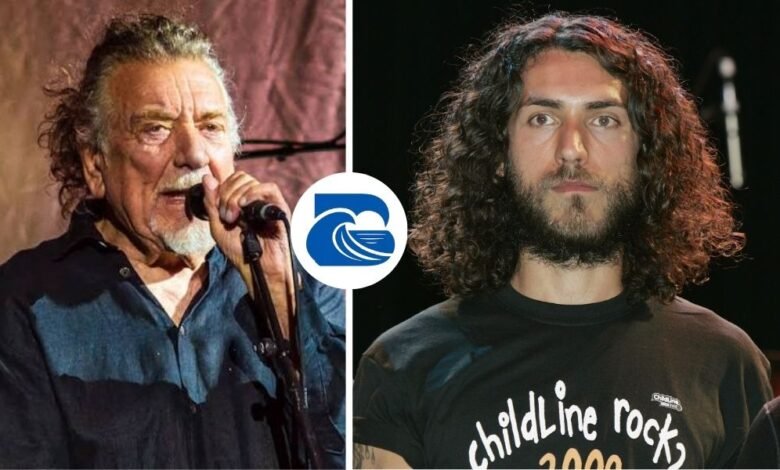
Logan Romero Plant is often introduced as the son of Robert Plant. That is easy to understand. Robert Plant is one of the most famous rock singers in the world. He became known as the lead voice of Led Zeppelin. But Logan’s own story should not stop at his father’s name.
Logan Romero Plant has built a public identity in a different way. He had a path in music first. Then he moved into beer, food, branding, and business. That change makes his life more interesting than a simple celebrity-family story.
His story is not about trying to copy a famous parent. It is about finding a personal road. It shows how a person can grow near fame, learn from it, and still choose a different kind of success.
Quick Bio
| Detail | Information |
|---|---|
| Full name | Logan Romero Plant |
| Known as | Logan Plant |
| Born | January 1979 |
| Father | Robert Plant |
| Mother | Maureen Wilson |
| Sister | Carmen Jane Plant |
| Late brother | Karac Pendragon Plant |
| Early career | Singer and musician |
| Known band | Sons of Albion |
| Later career | Entrepreneur and brewery founder |
| Best known business | Beavertown Brewery |
| Public image | Creative, private, business-focused |
| Main story | Built his own name outside rock music |
Growing Up Close to Rock History
Logan Romero Plant was born into a family linked with rock history. His father was already a major music figure before Logan was born. That kind of background can bring attention, but it can also bring pressure.
Many children of famous people face the same problem. People know the family name before they know the person. They may expect the child to sing, act, or live in the same public world.
For Logan, music was part of life. It was not just a job or a brand. He grew up around a father whose career shaped a whole era of rock music. But being near music and choosing music as a career are two different things.
That is what makes Logan Romero Plant interesting. He did enter music, but he did not stay trapped inside that story.
His First Public Path Was Music
Before beer and business, Logan Romero Plant worked as a musician. He was known as the frontman of the rock band Sons of Albion. The Guardian also described him as touring in the United States with the band before his move into beer.
This matters because it shows that Logan did not reject creative work. He first tried a road that was close to his family history. He understood the stage, travel, fans, and the hard life behind performance.
But music is not always simple. It can be full of pressure, long travel, money problems, and public comparison. For someone with the Plant name, the comparison could be even stronger.
Logan’s later move into brewing was not a failure of music. It was a change of direction. It was a new way to use creativity.
Touring Helped Open a New Door
One of the most important parts of Logan Romero Plant’s story is how travel changed him. While touring in the United States, he saw craft beer culture in a strong way. The Guardian reported that his time on the road helped open his eyes to beer and pubs.
That detail gives the story a human shape. A new idea did not come from a boardroom. It came from real places, real taste, and real travel.
Many people think business ideas begin with money. Logan’s story shows another path. Sometimes a business starts with curiosity. You notice something. You enjoy it. You ask why it is not common at home. Then you try to build it yourself.
For Logan, touring was not only about music. It became a kind of research.
The Birth of Beavertown Brewery
Logan Romero Plant later became known as the founder of Beavertown Brewery. Beavertown started in 2011 and grew from a small beginning into one of London’s best-known beer brands.
The Guardian reported that Logan left the band and made plans for Duke’s Brew & Que, a brew pub in Haggerston, east London. Beavertown was the brewery inside that project.
That is a strong article point because it shows the early risk. He did not start with a giant beer empire. He started with a smaller idea linked to food, drink, and local culture.
The official Beavertown story also says the brewery began in a tiny kitchen in North London, with beers inspired by craft scenes in the United States and the United Kingdom.
This makes the story easier for readers to connect with. Logan Romero Plant did not just “become successful.” He started small.
Why Beer Was Another Kind of Art
At first, music and beer may seem very different. One uses sound. The other uses taste. But both need creativity.
A song needs mood, structure, rhythm, and identity. A beer also needs balance, flavor, design, and feeling. A strong beer brand also needs a clear voice.
That is why Logan Romero Plant’s move from music to brewing makes sense. He did not leave creativity behind. He changed the form.
Beavertown became known for bold design, strong visual branding, and beers with personality. This helped it stand out in a busy market.
This is a useful lesson for readers. Your first career does not have to be your final career. Skills can move with you. Taste, risk, timing, and storytelling can work in more than one field.
Building a Name Without Copying Robert Plant
The most powerful part of Logan Romero Plant’s public story is not that he is Robert Plant’s son. It is that he built something separate.
A famous last name can open doors, but it can also create doubt. Some people may think success came only from family fame. That is why building a real product matters. A product has to survive outside the family story.
Beavertown had to earn drinkers, pub accounts, attention, and trust. People may have first noticed the Plant name, but they stayed because of the beer, the branding, and the business.
This is the heart of the article angle. Logan Romero Plant shows that family legacy can be part of your story without being the whole story.
The Craft Beer Controversy Around Growth
No article about Logan Romero Plant and Beavertown is complete without the craft beer debate. As Beavertown grew, it also attracted big business interest.
In 2018, Heineken took a minority stake in Beavertown. The Guardian reported that the deal helped fund a major expansion plan, including a new brewery and visitor site.
For some craft beer fans, this kind of move can feel uncomfortable. Craft beer is often linked with independence, local culture, and small producers. When a large global company invests, some people ask if the brand is still truly “craft.”
This does not make the story simple. Growth can help a company hire more people, make more beer, and reach more customers. But it can also change how loyal fans see the brand.
That tension makes Logan’s business story more serious than a normal celebrity-son profile.
Heineken’s Full Ownership and What It Means
The story changed again in 2022. Heineken UK announced a new ownership structure, and Heineken later became the full owner of Beavertown. In its announcement, Heineken said it would support Beavertown’s growth while preserving its creative approach.
The Guardian reported that Heineken bought the remaining 49% stake from Logan Plant in 2022.
This point should be handled carefully. It is not fair to present it only as a sellout story. It is also not fair to ignore why some craft beer fans may question the move.
A balanced article can explain both sides:
-
Growth can bring wider reach and stronger production.
-
Big ownership can raise questions about independence.
-
Fans may care about who owns the brand.
-
Founders may see a sale as part of building something lasting.
This gives readers real value. It turns the article into a business and culture story, not gossip.
The Business Lesson in Logan Romero Plant’s Career
Logan Romero Plant’s career offers a useful lesson for small business owners and creative people.
He shows that a career can have chapters. A person can start in music, learn from travel, build a food and drink idea, and then grow a brand.
His story also shows the power of timing. Craft beer was growing in the United Kingdom when Beavertown entered the market. The brand had a strong look, a clear voice, and beers that felt different from older mainstream choices.
A good business does not only sell a product. It sells a world. Beavertown sold flavor, design, fun, and a sense of place.
That is why the story of Logan Romero Plant is useful beyond celebrity readers. It can inspire people who want to change careers or start something from a personal passion.
Privacy Makes His Story Stronger
Another reason Logan Romero Plant stands out is that he is not a loud public celebrity. Many online stories about famous families try to fill every gap with rumors. That is not needed here.
The better way to write about Logan is to focus on what is publicly known. He is Robert Plant’s son. He worked in music. He founded Beavertown. He became part of a major craft beer growth story.
There is no need to invent private details, fake net worth numbers, or personal drama. A respectful article can still be interesting.
In fact, privacy makes this angle stronger. It lets the article focus on work, identity, and smart career change. That is more useful for readers than gossip.
Final Thoughts
Logan Romero Plant could have remained known only as Robert Plant’s son. Instead, he created a story of his own.
He first followed music, then found a new path through beer and business. His time on tour helped shape his taste. His small brewing idea became Beavertown. His brand later became part of a bigger industry debate about craft beer, growth, and ownership.
That is why Logan Romero Plant is more than a famous name in a rock family. His story is about personal choice. It is about changing direction. It is about using creativity in a new field.
For readers, the message is simple. You can respect where you come from and still build something that belongs to you.





2 Comments