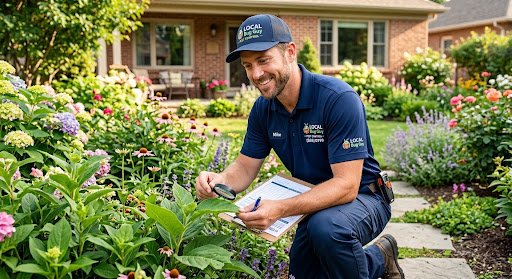
Nobody wants to share their living room with ants, their pantry with pantry moths, or their basement with spiders. Pests don’t just creep us out — they can damage property, spread allergens, and even threaten family health. That’s why so many homeowners are turning to professional pest control instead of relying on store-bought sprays that offer only temporary relief.
This post walks through what makes a reliable pest control service stand out, the most common household pests you’re likely to encounter, and why choosing a trusted local provider can save you time, money, and stress in the long run.
Why DIY Pest Control Often Falls Short
Supermarket sprays and sticky traps can knock out a handful of visible bugs, but they rarely solve the underlying problem. Most pests breed in hidden places — wall voids, crawl spaces, damp basements — that store-bought products simply can’t reach. Within a few weeks, the same ants or roaches often reappear, sometimes in greater numbers.
Professional technicians, by contrast, are trained to identify entry points, nesting sites, and the specific species involved. This matters because different pests respond to different treatments. A method that works on carpenter ants, for example, won’t touch a termite colony chewing through structural wood.
Common Household Pests and the Problems They Cause
Ants and Roaches
These two are among the most frequent invaders in American homes. Ants contaminate food surfaces, while roaches can trigger asthma and allergy symptoms, particularly in children. Both are persistent breeders, meaning a small issue can snowball quickly if left untreated.
Rodents
Mice and rats gnaw through wiring, insulation, and stored food. Beyond the property damage, they carry diseases such as hantavirus and salmonella, making rodent control a health priority, not just a comfort issue.
Termites
Often called “silent destroyers,” termites can cause thousands of dollars in structural damage before homeowners ever notice visible signs. Regular inspections are the best defense against this slow-moving but costly threat.
Spiders and Seasonal Invaders
While most spiders are harmless, their webs and presence are unwelcome in any home. Seasonal pests like stink bugs, boxelder bugs, and ladybugs can also swarm homes as temperatures shift, creating a different kind of nuisance that calls for targeted treatment.
What to Look for in a Pest Control Provider
Choosing the right pest control company can feel overwhelming, especially with so many national chains advertising quick fixes. A few factors can help separate a dependable provider from a forgettable one:
- Licensed and insured technicians who understand local pest behavior and regional building codes.
- Customized treatment plans rather than one-size-fits-all spraying.
- Eco-conscious products that protect pets, children, and the surrounding environment.
- Transparent pricing with no hidden fees or surprise charges.
- Responsive customer service that answers questions quickly and shows up when scheduled.
Providers who check all these boxes tend to build long-term relationships with homeowners rather than one-off transactions.
Why Local Expertise Makes a Difference
Pest pressure varies significantly by region. A home near a wooded area might deal with more spiders and rodents, while a coastal property could face a higher risk of termites due to humidity. National chains often apply standardized treatment protocols regardless of location, which can mean less effective results.
Local technicians, on the other hand, understand the specific pest patterns in your neighborhood — from seasonal ant invasions to the particular termite species common in your soil type. That localized knowledge translates into faster diagnoses and more effective, longer-lasting treatment plans.
The Value of Ongoing Pest Prevention
A single treatment can resolve an active infestation, but ongoing prevention is what keeps pests from returning. Seasonal inspections, perimeter treatments, and proactive sealing of entry points all work together to create a long-term barrier against unwanted guests.
Think of it the same way you’d think about routine car maintenance. Waiting until something breaks down is far more expensive and stressful than scheduling regular check-ups. Pest control works on the same principle — a small, consistent investment prevents a much larger headache down the road.
Finding a Pest Control Partner You Can Count On
Protecting your home from costly damage and health risks starts with choosing a team that treats your property like their own, and that’s exactly the reputation LOCAL Bug Guy has built across the neighborhoods it serves. Homeowners consistently point to clear communication, fair pricing, and technicians who take the time to explain exactly what’s happening in their home and why.
Rather than offering a generic spray-and-leave service, the team focuses on identifying root causes, from moisture issues that attract termites to entry points that let rodents slip inside unnoticed. This attention to detail is what separates a quick fix from a lasting solution, giving homeowners real peace of mind instead of a temporary patch.
Whether you’re dealing with an active infestation or simply want to stay ahead of seasonal pests, having a knowledgeable partner on call makes all the difference. It means fewer surprises, fewer repeat visits, and a home that actually feels protected.
Taking the Next Step Toward a Pest-Free Home
Pest problems rarely resolve themselves, and waiting too long often turns a minor nuisance into a major (and expensive) repair. Scheduling a professional inspection is the simplest way to understand exactly what’s happening in your home and what it will take to fix it.
If you’ve noticed signs of pests — strange noises in the walls, discarded wings near windowsills, or droppings in the pantry — don’t wait for the problem to escalate. A quick inspection today can save you significant time, money, and stress tomorrow.
Frequently Asked Questions
How often should I schedule pest control treatments?
Most homes benefit from quarterly treatments, though this can vary based on your location, pest pressure, and the age of your home. Homes near wooded areas or with moisture issues may need more frequent visits.
Are pest control treatments safe for pets and children?
Reputable providers use products specifically formulated to be safe for households once dry or applied correctly. Always ask your technician about safety precautions and drying times before treatment.
What’s the difference between pest control and pest extermination?
Extermination typically refers to eliminating an active infestation, while pest control includes ongoing prevention to stop future problems before they start.
How much does professional pest control typically cost?
Costs vary depending on property size, pest type, and treatment frequency. Most providers offer free inspections and transparent quotes before any work begins, so it’s worth requesting an estimate tailored to your home.
Can I prevent pests without professional help?
Basic prevention steps — sealing cracks, storing food properly, and reducing moisture — can help, but they rarely resolve an active infestation. Professional treatment is usually necessary once pests have already established themselves indoors.