

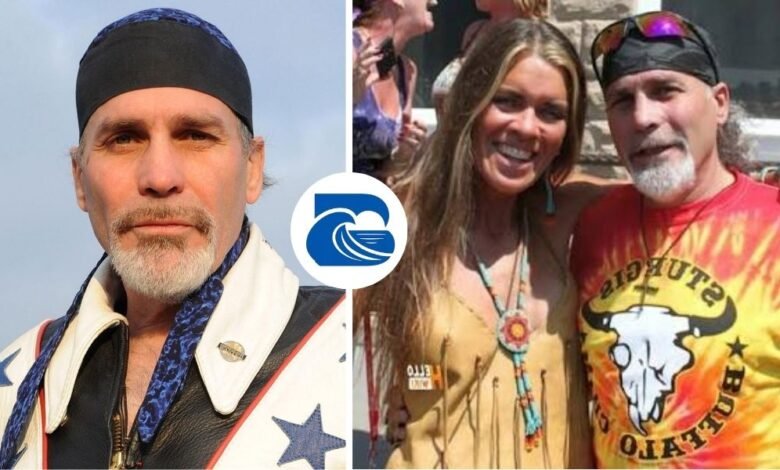
Karmen Knievel is known to the public because she is part of the Knievel family. Her father was Robbie Knievel, the famous motorcycle stunt rider. Robbie was the son of Evel Knievel, one of the best-known daredevils in American history. Public reports say Robbie Knievel died in January 2023 at age 60. They also list Karmen Knievel among his daughters.
But this story is not only about jumps. It is not only about fire, ramps, crowds, and danger. It is also about family. It is about what risk can feel like to the people standing close to the rider. Karmen Knievel’s public story is quiet. There is not much verified public detail about her private life.
That is important. It means writers should not make up scenes, feelings, or family drama. Instead, her name can help readers see a deeper side of the Knievel legacy. Behind every loud stunt, there can be a quiet family cost.
Who Is Karmen Knievel?
Karmen Knievel is publicly known as one of Robbie Knievel’s daughters. Robbie’s obituary lists her as Karmen Knievel Prieto. It also names other close family members and states that Robbie had his daughters near him at the end of his life.
That is the safest way to describe Karmen Knievel. She is part of a famous family, but she is not a public stunt star in the same way her father and grandfather were. This matters because many online articles try to turn private people into full public stories. That can be unfair. A person can be known because of a famous parent and still deserve privacy.
So this article does not pretend to know what Karmen Knievel felt as a child. It does not invent private talks with Robbie. It does not claim secret facts. It uses Karmen Knievel as a respectful way to look at a bigger subject: how stunt fame can touch a family.
Robbie Knievel’s Life Was Built Around Risk
Robbie Knievel was not just the son of a famous man. He made his own name. Reports describe him as a stunt performer who followed the path of Evel Knievel. Robbie became known for big motorcycle jumps, live shows, and dangerous public acts. The official Robbie Knievel site says he had hundreds of jumps and many world records.
His work was exciting to fans. A crowd could watch him fly through the air and feel shock, fear, and joy all at once. That was the show. That was the draw. But for family, the same moment could feel very different. Fans may see a brave rider. A daughter may see a father in danger.
That is why Karmen Knievel’s place in this story is meaningful. She reminds us that stunt work is not only a job. It is a public risk that can follow a family home.
The Crowd Sees a Show, but Family Sees a Person
Fans often remember the jump. They remember the ramp. They remember the landing. They remember the crash if one happens. That is normal. Stunt culture is built on big moments. But family members may see more than the show.
They may see the pain after the lights go down. They may see the stress before a major jump. They may hear the talk about money, travel, safety, and health. They may feel pride. They may also feel fear. Both feelings can exist at the same time.
Karmen Knievel’s public link to Robbie Knievel helps show this point. Robbie was a star to many people. But he was also a father. That simple fact changes the way we read his career. A risky job does not end when the crowd goes home. The worry can stay with the people who love the performer.
Pride Can Be Real, Even When Fear Is Real Too
It would be wrong to say stunt families only feel fear. They may also feel deep pride. Robbie Knievel carried a famous name. He also built his own public career. He did jumps that many people would never try. He kept the Knievel name alive for a new age.
For a family, that kind of courage can be a source of pride. A daughter may know that her father did something rare. She may know that fans respected him. She may know that people still talk about his biggest moments years later.
But pride does not cancel fear. This is the key point. Karmen Knievel’s story can help readers understand both sides. Families of risk-takers may admire the work and still fear the danger. They may respect the dream and still wish the cost was lower. That balance is the unseen part of stunt fame.
Why Stunt Fame Can Be Hard on Families
A normal job may bring stress. But a stunt career brings a special kind of stress. The risk is public. The danger is part of the brand. People buy tickets or turn on the TV because something could go wrong.
That creates pressure. The performer must be brave again and again. The family may have to live with that pressure. They may hear fans cheer for the same danger that makes them afraid.
This is why Karmen Knievel is a useful focus for this kind of article. Her public life is limited, but her family link is clear. Through that link, readers can think about the hidden side of daredevil work. They can ask better questions. What is the cost of being brave for a living? Who else carries that cost? How does a family live beside danger?
The Knievel Name Was Already Bigger Than One Person
Before Robbie Knievel became famous, the Knievel name was already known because of Evel Knievel. Evel became a symbol of wild courage, crashes, and showmanship. The official Evel Knievel site describes how the family name became tied to performance and daredevil life.
This made Robbie’s path even more complex. He was not only a rider. He was the son of a legend. That meant fans had expectations. They wanted to see if Robbie could live up to the name. He did not enter a quiet field. He entered a public family story that was already huge.
For Karmen Knievel, this means the family name had two strong layers. Her grandfather was Evel Knievel. Her father was Robbie Knievel. That is a lot of public history attached to one name. It can bring honor. It can also bring attention that a private person may not ask for.
Fans Often Forget the Family Behind the Performer
Fans do not always mean harm. They love the thrill. They admire the courage. They share videos, photos, and stories. But fans can forget that every performer has a private circle.
A daredevil is not just a body on a bike. He is a son, brother, father, and friend. When people talk about Robbie Knievel, they often talk about his jumps first. That makes sense. His career was built on stunts. But it leaves out a softer truth. His family also had to live with the fame.
Karmen Knievel helps bring that truth back. Her name reminds readers that there were people close to Robbie who knew him away from the show. They knew him beyond the helmet. That does not mean the public has a right to know their private stories. It means the public should write with more care.
The Emotional Cost of Public Danger
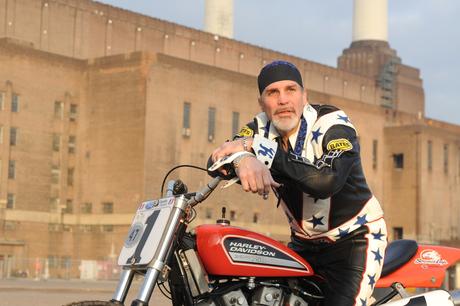
Public danger can create a strange mix of feelings. There is pride when the stunt works. There is fear before it starts. There is relief when it ends. There may also be anger, stress, or sadness when risk becomes a way of life.
This is not only true for the Knievel family. It can be true for many families linked to dangerous work. Firefighters, racers, soldiers, stunt workers, and rescue workers can all face risk. Their families often carry silent stress.
Karmen Knievel’s article can speak to that wider truth. It can show that danger does not belong only to the person taking the risk. It can touch the people waiting at home. It can shape family life in ways that fans may never see.
Robbie Knievel’s Biggest Moments Were Public, but His Family Grief Was Personal
Robbie Knievel’s death brought many public stories about his career. Reports noted his famous jumps and his place in the Knievel family. They also named his daughters as survivors. Some reports said his daughters were with him when he died.
This is a powerful detail, but it must be handled with care. It should not be used for drama. It should not be turned into fake emotion. It simply reminds readers that the end of a public life is still a private loss.
For fans, Robbie’s death was the loss of a stunt icon. For Karmen Knievel and her family, it was the loss of a father. That difference matters. It shows why writers should not treat famous families like open books. A public name does not make private grief public property.
Privacy Is Not an Empty Story
Some readers may search for Karmen Knievel and expect many facts. They may want age, job, marriage, photos, and personal history. But not every private person has a public profile. That is not a problem. It is a boundary.
A good article can still be useful without crossing that line. It can explain what is known. It can state what is not known. It can use the public family link to explore a bigger idea. In this case, the bigger idea is family and risk.
Karmen Knievel’s privacy should be respected. Writers should not fill gaps with guesses. They should not copy unverified claims from weak sites. They should not pretend that silence means mystery. Sometimes silence just means a person has chosen a normal life away from public attention.
How to Write About Karmen Knievel Responsibly
A responsible article about Karmen Knievel should be clear and careful. It should not act like a gossip post. It should not chase private details. It should focus on verified facts and fair context.
Useful writing rules include:
-
Say Karmen Knievel is publicly known as Robbie Knievel’s daughter.
-
Mention Robbie Knievel’s stunt career with reliable sources.
-
Explain that Karmen Knievel keeps a low public profile.
-
Do not invent her childhood, feelings, job, or family scenes.
-
Use words like “reported,” “public records show,” and “obituary lists.”
-
Focus on the family side of risk, not private gossip.
-
Keep the tone kind and respectful.
This makes the article stronger. It also makes it safer for readers. A careful article builds trust. A fake article may get clicks, but it can hurt real people.
What Karmen Knievel’s Story Teaches About Risk and Love
Karmen Knievel’s story teaches a simple lesson. Fame can make one person public, but it can also pull a family into the light. Robbie Knievel chose a dangerous career. He gave fans moments they remembered. He helped keep the Knievel name alive. But his family story reminds us that risk has more than one side.
There is the public side. That side has crowds, cameras, records, and applause. Then there is the private side. That side may have worry, pride, waiting, and loss. Both sides are real.
Karmen Knievel does not need to be a public star for her place in the story to matter. Her name helps readers see Robbie Knievel as more than a stunt rider. It helps them see him as a father. It also helps them see stunt culture in a more human way.
Final Thoughts
Karmen Knievel is best written about with care. She is connected to one of America’s most famous stunt families, but she is still a private person. Her link to Robbie Knievel gives readers a new way to understand the cost of danger. Robbie’s jumps made fans cheer. But for family, risk could mean something deeper. It could mean pride, fear, love, and grief all at once.
That is why this angle is strong. It does not only praise danger. It looks behind the show. It asks readers to remember the people who stood close to the performer, even when the world only watched the jump.