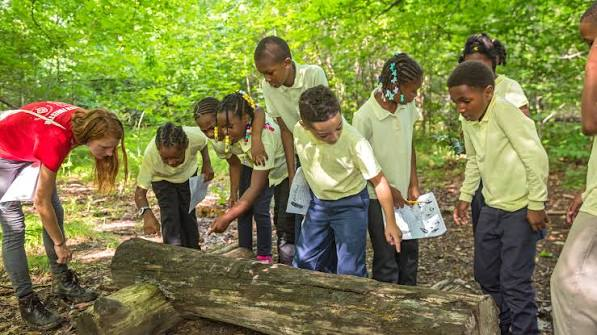
Field trips are often the most anticipated day on a school calendar, but for teachers and administrators, they’re also one of the most carefully weighed decisions of the year. A great field trip does more than get students out of the building, it reinforces what’s being taught in the classroom, sparks curiosity, and gives students a hands-on reference point they’ll remember long after the unit is over. A poorly chosen one, on the other hand, ends up feeling like a day off rather than a day of learning.
So how do educators actually separate a truly valuable field trip from one that’s just a fun outing? Here’s what to look for.
Start With Curriculum Alignment
The single most important factor in choosing a field trip is whether it directly supports what students are already learning. A trip should feel like a natural extension of the classroom, not a disconnected detour. If your class is studying ecosystems, ask whether the destination offers hands-on exhibits related to habitats and biology. If the curriculum is focused on physics or engineering concepts, look for a venue with interactive stations that let students test those principles themselves.
Before booking anything, request a breakdown of how the destination’s programs map to grade-level standards. Reputable educational venues will have this documented clearly, often broken out by subject and grade, because they understand that teachers need to justify the trip’s academic value to administrators and parents alike.
Prioritize Hands-On, Not Just Look-and-Listen
There’s a meaningful difference between a field trip where students walk through exhibits and read placards, and one where they actually get to touch, build, test, and experiment. Research consistently shows that hands-on learning improves retention far more than passive observation. When evaluating a potential destination, ask specifically what students will be doing, not just what they’ll be seeing.
Look for programs that include guided experiments, interactive demonstrations, or activities where students make predictions and then test them. These experiences turn abstract classroom concepts into tangible memories, which is exactly what makes a field trip worth the time away from regular instruction.
Check for Structured Educational Programming
Not every attraction that welcomes school groups actually has an education-first program built for them. Some venues simply open their doors to classes without any structured curriculum tie-in, leaving teachers to fill in the educational context themselves. Others are purpose-built for school visits, with dedicated staff, pre-visit materials, and post-visit resources designed to extend the learning back into the classroom.
When comparing options, ask direct questions: Is there a trained educator leading the group, or just general staff? Are there pre-trip materials to prepare students, and follow-up resources to reinforce the experience afterward? A well-run educational field trips in orlando program should offer exactly this kind of end-to-end structure, so the trip functions as a true teaching tool rather than a break in the schedule.
Consider Group Logistics and Accessibility
Even the most academically rich destination falls short if it can’t comfortably handle your group size, age range, or students with different learning and accessibility needs. Ask about group capacity, whether the venue can split large classes into smaller manageable groups, and how activities are adapted for varying ages within the same trip.
Accessibility matters just as much. Every student in a class deserves an equally engaging experience, regardless of physical or learning differences. Confirm that exhibits and activities are designed to be inclusive, and that staff are trained to accommodate students who may need additional support.
Match the Trip to the Right Age Group
A field trip that’s perfect for third graders may fall flat for middle schoolers, and vice versa. Younger students typically benefit from sensory-rich, simple hands-on activities with lots of guided interaction, while older students engage more with complex problem-solving, deeper scientific concepts, and a degree of independent exploration.
Ask venues how their programming shifts across age groups. A destination that offers tiered content — rather than a one-size-fits-all tour — is far more likely to keep every student genuinely engaged rather than bored or overwhelmed.
Think About What Happens After the Trip
The best field trips don’t end when the bus pulls away. Look for programs that provide take-home materials, suggested classroom discussion questions, or follow-up activities that let teachers connect the experience back to ongoing lessons. This reinforcement step is often overlooked, but it’s what transforms a fun day out into a lasting educational touchpoint.
Weigh Cost Against Educational Value
Budget is always a real constraint, but it shouldn’t be the only lens teachers use. A slightly higher-cost trip that delivers structured, hands-on, curriculum-aligned learning will almost always provide more value than a cheaper outing with little academic substance. When presenting options to administrators or parent groups, frame the comparison around learning outcomes, not just price per student.
Final Thoughts
Choosing the right field trip comes down to one central question: will this experience genuinely reinforce what students are learning, or will it just get them out of the classroom for a day? By focusing on curriculum alignment, hands-on engagement, structured programming, accessibility, and age-appropriate content, educators can confidently select trips that do far more than entertain, they extend the classroom into the real world and leave students with lessons that stick.