The same formula shows up at most year-end team celebrations: a rented hall, a buffet line, some background music, and a short speech from leadership before everyone heads home by nine. None of that is wrong, but after a few years it starts to feel like an obligation rather than a reward. Teams remember the celebrations that felt planned around them specifically, not the ones that could have been anyone’s office party. A few shifts in format, focus, and logistics are usually all it takes to turn a standard holiday party into something the team actually looks forward to.
Rethink the Format
A sit-down dinner with a single long table works for some teams, but it also locks the whole evening into one pace from start to finish. Interactive formats give people more control over their own night: food stations scattered around the room instead of a single buffet line, a cocktail-hour structure that lets people move and mingle, or a shared activity, a trivia round built around the year’s milestones, a cocktail-making class, a casual competition between departments, that gives the evening a natural centrepiece beyond eating and waiting for speeches.
Mixing formats also helps larger or more varied teams. Not everyone wants to dance, and not everyone wants to sit through a formal dinner, so a night that includes a lounge area, a few games or activities, and a central dining space lets people find the part of the evening that suits them rather than forcing one experience on the whole group.
Make Recognition Part of the Night, Not an Interruption
Most year-end events include some form of recognition, but it often lands as a pause in the fun rather than part of it: the music stops, someone reads a list of names, and then the party tries to restart. Recognition works better when it’s built into the structure of the evening instead of bolted onto it. A short highlight reel playing on a screen during the cocktail hour, a few informal shout-outs woven into a host’s opening remarks, or small awards handed out at individual tables rather than from a podium all keep the tone celebratory instead of ceremonial.
Keep formal remarks short. Five minutes of genuine, specific appreciation lands better than fifteen minutes of a generalized year-in-review, and it leaves more of the evening for the part people actually came for.
Logistics That Elevate the Experience
The details that make a celebration feel elevated are rarely dramatic. A welcome drink handed to guests as they arrive, rather than a cash bar they have to seek out, changes the first impression of the whole night. A menu with a couple of standout dishes beats a long buffet that spreads the catering budget too thin. Good lighting and a sound system that lets people actually hold a conversation matter more than most hosts expect, since a loud or poorly lit room undercuts even a strong menu and a thoughtful guest list.
Timing deserves the same attention as the big-ticket items. A program that front-loads the formal parts of the evening, arrival, a brief welcome, recognition, leaves the back half of the night open for the parts people remember: dancing, conversation, dessert stations, a late-night snack table. Teams rarely complain that an event ran too loose later in the evening; they complain when formalities dragged into the time that should have been for enjoying the night.
Choosing the Right Venue
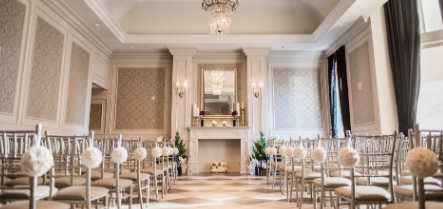
A lot of this comes down to the space itself. A venue with flexible room layouts, in-house catering, and separate areas for dining, lounging, and activity makes it far easier to build a program that moves rather than one that’s stuck in a single configuration all night. For teams in the Greater Toronto Area planning their next year-end event, choosing a banquet hall gta that teams can reconfigure for cocktails, dinner, and dancing in one visit takes most of the planning pressure off, and lets the focus stay on the team rather than the room.
It also helps to think about the guest list beyond the immediate team. Plus-ones, remote staff flown in for the occasion, or colleagues from satellite offices often feel like an afterthought at a standard holiday party, arriving to a seating chart and a program built without them in mind. A short, informal welcome from a manager who makes a point of introducing out-of-town guests to a few familiar faces does more for the tone of the night than any amount of decor.
The Takeaway
A year-end celebration doesn’t need a bigger budget to feel different, it needs a format that gives people room to move, recognition that feels woven into the night rather than stapled onto it, and logistics that stay invisible so the focus stays on the team. The teams that look forward to this event every year usually aren’t getting something more expensive. They’re getting something that was actually planned around them.