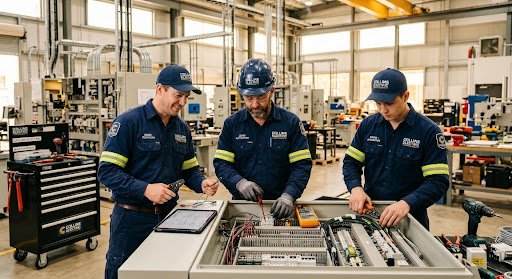
Electrical problems rarely announce themselves before it’s too late. A flickering light, a warm outlet, a breaker that trips more often than it used to — these small signals are often dismissed until they become a fire hazard or a costly repair. Homeowners who understand the value of professional electrical work save themselves from far bigger headaches down the road.
This post breaks down why licensed electrical service matters, which warning signs deserve immediate attention, and how choosing the right team protects both your home and your family.
Why DIY Electrical Work Puts Your Home at Risk
Electrical systems look simple on the surface: wires, switches, and outlets. But beneath the walls sits a network that, if mishandled, can cause shocks, fires, or long-term damage to appliances. A loose connection that seems minor today can overheat and ignite insulation months later.
Licensed electricians train for years to understand code requirements, load calculations, and safe wiring practices that aren’t obvious to the average homeowner. Cutting corners on this kind of work doesn’t just risk a failed inspection — it risks lives.
Common Mistakes Homeowners Make
- Overloading circuits with too many high-draw appliances on a single outlet
- Using the wrong wire gauge for the amperage running through it
- Ignoring outdated panels that can’t handle modern electrical demand
- Skipping permits for work that legally requires inspection
Each of these mistakes is avoidable with the right expertise on the job.
Warning Signs Your Home Needs an Electrical Inspection
Most electrical fires don’t start with a dramatic spark. They build slowly, often hidden inside walls or ceilings. Recognizing early warning signs can mean the difference between a routine repair and a full-blown emergency.
Flickering or Dimming Lights
Occasional flickering during a storm is normal. Persistent flickering, especially when other appliances turn on, usually points to a loose connection or an overtaxed circuit.
Warm or Discolored Outlets
Outlets should never feel warm to the touch. Discoloration around a switch plate is a sign that heat has already built up behind it, which is a serious fire risk.
Frequent Breaker Trips
A breaker is designed to trip when something’s wrong. If yours trips regularly, it’s not malfunctioning. It’s doing its job, and warning you that something downstream needs attention.
A Persistent Burning Smell
Any burning smell with no clear source should prompt an immediate call to a professional. This is one sign that should never wait for a convenient time.
What to Look for in an Electrical Service Provider
Not all electrical contractors offer the same level of training, responsiveness, or transparency. Choosing the right provider comes down to a few key factors.
Licensing and Insurance
A legitimate electrician should carry both a valid license and liability insurance. This protects homeowners from being held responsible if something goes wrong during the job.
Transparent Pricing
Reputable providers explain costs upfront rather than presenting surprise charges after the work is complete. Clear estimates build trust and prevent disputes.
Responsiveness for Emergencies
Electrical issues don’t wait for business hours. A provider who offers prompt emergency response gives homeowners peace of mind when problems arise outside the typical nine-to-five window.
Range of Services
Whether it’s a full panel upgrade, lighting installation, or troubleshooting a persistent short, a provider who handles a wide range of residential electrical needs saves homeowners the hassle of juggling multiple contractors.
How Regular Maintenance Prevents Costly Repairs
Reactive repairs cost more than preventive maintenance, both in dollars and in disruption. Scheduling periodic inspections allows small issues to be caught before they escalate into major rewiring jobs or emergency service calls.
A typical maintenance check should include:
- Testing smoke detectors and GFCI outlets
- Inspecting the electrical panel for wear or corrosion
- Checking wiring connections in high-use areas like kitchens and bathrooms
- Reviewing outdoor outlets and fixtures for weather damage
Homeowners who build this into their annual routine, alongside tasks like HVAC servicing or gutter cleaning, significantly reduce their risk of unexpected electrical failures.
Protecting Your Home Starts with the Right Partner
Trusted expertise can make the difference between a quick fix and a costly electrical emergency, which is exactly where Collins Electric steps in. From routine inspections to complex rewiring projects, working with a team that understands both safety standards and homeowner concerns makes the entire process smoother and far less stressful.
Electrical safety isn’t a one-time project. It’s an ongoing responsibility that benefits from consistent attention and a provider who treats every job, big or small, with the same level of care. Homeowners who prioritize this now avoid the far more disruptive alternative: dealing with damage after the fact.
If it’s been a while since your home’s electrical system was inspected, there’s no better time to schedule a check. A proactive approach today protects your home, your family, and your peace of mind for years to come.