Arbill: Why Smart Businesses Trust This Safety Partner for Lasting Protection

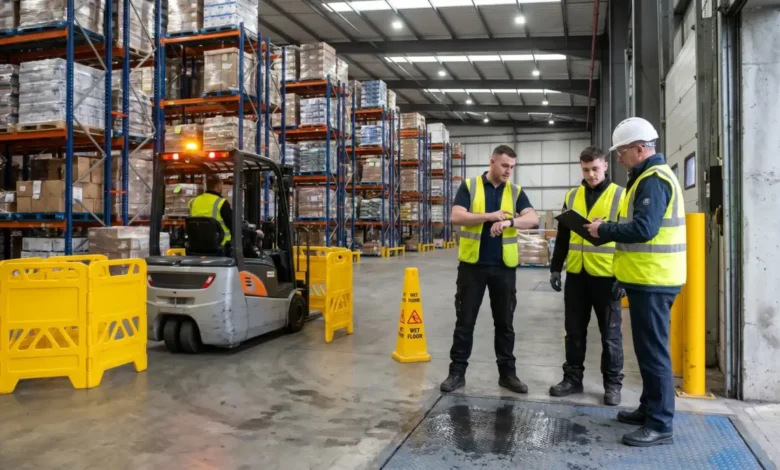
Workplace safety isn’t just about checking a compliance box. It’s about protecting the people who show up every day to do the work that keeps a business running. Yet so many companies still treat safety as an afterthought, bolted onto operations rather than built into them. That gap is exactly where Arbill has carved out its reputation.
For decades, this family-owned company has helped organizations across industries move beyond reactive safety measures and toward something more sustainable: a genuine culture of protection. Whether it’s outfitting a warehouse crew with the right gloves or designing a safety program from the ground up, Arbill approaches workplace protection as a partnership, not a transaction.
This post looks at what sets Arbill apart, the services that make it a go-to resource for safety-conscious businesses, and why investing in the right safety partner pays off far beyond avoiding fines.
What Makes Workplace Safety So Hard to Get Right?
Safety sounds simple in theory. Give employees the right gear, train them properly, and enforce the rules. In practice, it’s far messier.
Industries differ wildly in their risks. A construction site deals with falls and heavy machinery, while a food processing plant worries about cuts, slips, and chemical exposure. Regulations shift. Equipment wears out faster than expected. And employees, no matter how well-intentioned, sometimes cut corners when safety gear feels clunky or inconvenient.
This complexity is why generic, one-size-fits-all safety programs tend to fail. Businesses need partners who understand their specific hazards, not just a catalog of products shipped without context.
How Does Arbill Approach Workplace Safety Differently?
Arbill built its reputation on treating safety as a relationship rather than a sale. Instead of simply distributing personal protective equipment (PPE), the company works alongside businesses to assess actual risks, recommend tailored solutions, and track outcomes over time.
This shows up in a few distinct ways:
- On-site safety assessments: Arbill’s team evaluates real working conditions rather than relying on generic industry assumptions.
- Custom PPE programs: From hand protection to fall arrest systems, equipment is matched to the specific hazards of a given job site.
- Ongoing education: Safety training isn’t a one-time event. Arbill emphasizes continued learning so safety habits stick long after the initial rollout.
- Data-driven tracking: Businesses get visibility into usage patterns and incident trends, helping them refine their safety strategy over time.
That combination of customization and follow-through is what separates a safety supplier from a true safety partner.
Why Does Hand Protection Deserve Special Attention?
Hands are involved in nearly every task a worker performs, which also makes them one of the most commonly injured body parts on the job. Cuts, punctures, chemical burns, and crush injuries account for a significant share of workplace incidents across manufacturing, construction, and warehousing.
Arbill has built deep expertise specifically around hand protection, recognizing that the right glove depends on far more than size. Material, grip, dexterity, and cut-resistance ratings all need to match the exact task at hand. A glove designed for handling sheet metal won’t offer the same protection needed for chemical handling, and using the wrong one can create a false sense of security that’s arguably worse than wearing nothing at all.
By helping businesses select gloves suited to their specific tasks, rather than defaulting to generic options, Arbill reduces both injury rates and the frustration that comes from gear that doesn’t perform as needed.
What Role Does Safety Culture Play in Reducing Incidents?
Equipment alone doesn’t prevent accidents. Culture does the heavy lifting.
A business can supply the best PPE on the market, but if employees view safety protocols as a hassle rather than a priority, incidents will still happen. This is where many safety initiatives quietly fail: they focus entirely on gear and compliance paperwork, while ignoring the behavioral side of the equation.
Arbill’s approach addresses this by weaving training, communication, and leadership engagement into its programs. Workers are more likely to follow safety procedures when they understand the reasoning behind them and see leadership modeling the same behavior. Programs that build this kind of buy-in tend to see fewer incidents, lower turnover related to workplace injuries, and better morale overall.
Why Should Businesses Invest in a Long-Term Safety Partner?
Switching safety suppliers repeatedly might save a few dollars upfront, but it rarely pays off. Inconsistent equipment, fragmented training, and a lack of institutional knowledge about a facility’s specific risks all add up to more incidents and higher long-term costs.
Arbill brings a long-term, hands-on approach to workplace safety, helping businesses protect both their people and their bottom line with solutions tailored to the realities of their operations. By staying engaged with clients over the years rather than focusing on a single order, the company develops a strong understanding of each facility, workflow, and potential risk factor. That institutional knowledge allows for faster responses when new hazards arise and more informed recommendations as operations change, giving businesses dependable support that grows alongside their needs.
For businesses serious about reducing injuries and building a safety-first reputation, that kind of continuity is worth far more than short-term savings on bulk PPE orders.
Building Safer Workplaces Takes the Right Partner
Workplace safety isn’t a problem that gets solved once and forgotten. It requires ongoing attention, the right equipment, and a culture that treats protection as a shared responsibility rather than a mandate from above.
Businesses that approach safety this way, with a trusted partner guiding the process, tend to see fewer incidents, stronger employee morale, and a reputation that helps attract talent in competitive industries. Investing in that kind of partnership isn’t just good risk management. It’s good business.
Frequently Asked Questions
What industries benefit most from a dedicated safety partner?
Manufacturing, construction, warehousing, food processing, and oil and gas are among the industries with the highest exposure to workplace hazards, making dedicated safety programs especially valuable. That said, any business with physical operations can benefit from a tailored approach to protection.
How often should a safety program be reassessed?
Most experts recommend reviewing safety programs at least annually, or whenever there’s a significant change in equipment, processes, or staffing. Regular on-site assessments help catch gaps before they lead to incidents.
Does better PPE really reduce workplace injuries?
Yes, but only when it’s matched correctly to the task. Properly fitted, task-specific PPE significantly reduces injury rates compared to generic or ill-fitting equipment.