LASIK vs Contact Lenses: Which Is More Convenient for Long-Term Vision Correction

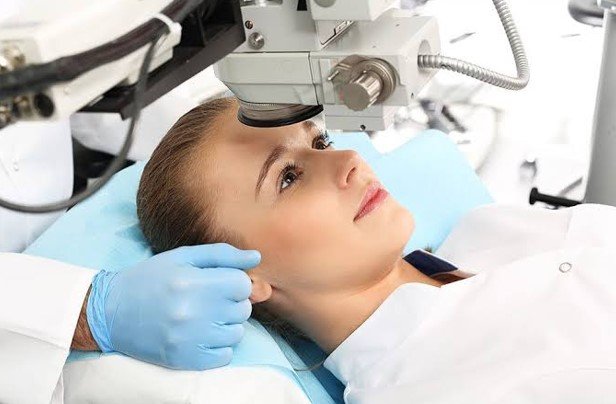
People with refractive errors such as nearsightedness, farsightedness, and astigmatism often depend on glasses or contact lenses for clear vision. However, those who want alternatives may consider LASIK surgery, a procedure that reshapes the cornea to reduce dependence on corrective lenses.
Both LASIK and contact lenses can help correct vision, but they differ in convenience, cost, maintenance, risks, and long-term considerations. The right choice depends on eye health, lifestyle, prescription stability, and personal preferences. Understanding these differences can help individuals make an informed decision.
1. Understanding LASIK and Contact Lenses
Before comparing convenience, it is important to understand how these two options work. LASIK is a surgical procedure that changes the shape of the cornea, while contact lenses sit directly on the surface of the eye to correct how light focuses.
Both approaches aim to improve vision, but one involves a medical procedure and the other requires regular use and maintenance.
What Is LASIK?
LASIK stands for Laser-Assisted In Situ Keratomileusis. During the procedure, an ophthalmologist uses a laser to reshape the cornea so that light focuses more accurately on the retina.
It is commonly used to correct certain degrees of myopia, hyperopia, and astigmatism. LASIK is generally an outpatient procedure, and many suitable patients notice improved vision within a short period. However, results and recovery vary.
What Are Contact Lenses?
Contact lenses are thin, curved lenses placed on the tear film covering the cornea. They correct refractive errors without changing the structure of the eye.
They are available in daily disposable, biweekly, monthly, and other specialised types. An eye care professional helps determine the appropriate lens material, fit, and wearing schedule.
2. Daily Convenience and Ease of Use
Daily convenience is an important consideration for people who regularly use vision correction. Contact lenses provide flexibility during activities such as exercising, travelling, and playing sports because they do not slip down the nose or create pressure behind the ears.
However, they require a consistent routine. Users must insert and remove lenses correctly, follow replacement schedules, and maintain proper hygiene.
LASIK may reduce or eliminate the need for glasses or contact lenses for distance vision, depending on the outcome. This can make everyday activities easier for people who prefer not to handle corrective lenses.
Which Option Requires Less Daily Maintenance?
LASIK generally involves less daily maintenance after recovery because there are no lenses to clean or replace. Contact lens users, on the other hand, need to follow regular cleaning and storage instructions unless they use daily disposable lenses.
However, LASIK patients still need routine eye examinations and may require glasses for certain activities or age-related vision changes.
3. Long-Term Costs and Financial Considerations
The initial cost of LASIK is usually higher than purchasing contact lenses for a short period. However, contact lenses involve recurring expenses, including replacement lenses, cleaning solutions, storage cases, and periodic eye examinations.
Over several years, these expenses can accumulate. LASIK involves a larger upfront payment, but suitable patients may reduce their long-term spending on contact lenses and related products.
Factors That Influence the Overall Cost
- Type and technology of the LASIK procedure
- Contact lens brand and replacement schedule
- Cleaning solutions and accessories
- Routine eye examinations
- Additional vision correction needs
- Follow-up consultations after surgery
A cost comparison should consider long-term expenses rather than only the initial price. It is also important not to choose surgery solely to save money, as medical suitability and safety should come first.
4. Safety, Risks, and Possible Side Effects
Both LASIK and contact lenses have potential risks. Understanding them is important before deciding which option is appropriate.
LASIK may cause temporary dry eyes, glare, halos around lights, light sensitivity, or fluctuating vision. Some patients may experience undercorrection or overcorrection and could need additional treatment. Rare but serious complications, including infection or corneal problems, are also possible.
Contact lenses can cause dryness, irritation, discomfort, and allergic reactions. Poor hygiene, sleeping in lenses when not approved, or wearing them longer than recommended can increase the risk of corneal infections and ulcers.
Which Option Is Safer?
Neither option is risk-free. LASIK risks depend on the patient’s eye condition, surgical technique, and healing response. Contact lens safety depends heavily on proper fitting, hygiene, replacement schedules, and responsible use.
Sudden eye pain, redness, light sensitivity, discharge, or blurred vision while wearing contact lenses requires prompt professional assessment. Remove the lenses and seek eye care rather than continuing to wear them.
5. Who Is a Suitable Candidate for LASIK?
LASIK is not suitable for everyone. An ophthalmologist evaluates the cornea, prescription, tear film, and overall eye health before recommending surgery.
Adults with a stable refractive prescription and healthy corneas may be considered. However, certain conditions can make LASIK unsuitable or require another approach.
Factors That May Affect LASIK Eligibility
- Unstable or changing spectacle prescription
- Thin or irregular corneas
- Severe dry eye disease
- Certain corneal disorders
- Active eye infections or inflammation
- Some autoimmune or healing-related conditions
- Pregnancy or breastfeeding, when prescription changes may occur
A detailed preoperative assessment helps identify potential risks. Some patients may be better suited to alternatives such as PRK, implantable contact lenses, or continued use of spectacles or contact lenses.
6. Contact Lenses May Be Better for Certain Lifestyles
Contact lenses remain a useful option for people who do not qualify for laser surgery or prefer to avoid an operation. They can also be appropriate for individuals whose prescriptions are still changing or who want temporary vision correction.
Different lens designs are available for specific needs, including astigmatism, presbyopia, and certain corneal conditions. Specialised lenses may also be prescribed for people with irregular corneas.
Important Contact Lens Care Practices
- Wash and dry hands before handling lenses.
- Follow the recommended wearing and replacement schedule.
- Never clean lenses with tap water or saliva.
- Use only the recommended lens solution.
- Avoid sleeping or swimming in lenses unless specifically advised.
- Attend regular eye examinations.
These habits help reduce the risk of infection and other contact lens-related complications.
7. Long-Term Vision Changes After LASIK
LASIK reshapes the cornea to correct existing refractive errors, but it does not prevent natural age-related changes in the eyes. For example, presbyopia commonly develops with age and makes it harder to focus on nearby objects.
Some people may eventually need reading glasses even after successful LASIK. Others may experience changes in their distance prescription over time, although the degree varies.
Does LASIK Guarantee Freedom from Glasses?
No. LASIK can reduce dependence on glasses or contact lenses, but it does not guarantee perfect vision for life. The outcome depends on the original prescription, eye health, healing, and age-related changes.
People considering surgery should discuss realistic expectations, possible future vision correction needs, and alternative procedures with an ophthalmologist.
8. How to Choose Between LASIK and Contact Lenses
The decision should be based on more than convenience. Consider your prescription, eye health, daily routine, comfort with surgery, long-term expenses, and willingness to maintain contact lenses.
In Mumbai, individuals researching LASIK treatment in Mumbai should look for a qualified ophthalmologist who performs a comprehensive preoperative assessment and explains the benefits, limitations, and risks of surgery. A consultation should also include a discussion of non-surgical alternatives if LASIK is unsuitable.
A personalised evaluation is essential because the best option for one person may not be appropriate for another.
Conclusion
LASIK and contact lenses both offer effective ways to correct refractive errors, but they provide different long-term experiences. LASIK may reduce daily dependence on corrective lenses, while contact lenses offer flexibility without surgery but require regular care and replacement.
The right choice depends on individual eye health, lifestyle, prescription stability, and personal preferences. A comprehensive eye examination and discussion with an ophthalmologist can help determine which approach is suitable.
Frequently Asked Questions
1. Is LASIK more convenient than wearing contact lenses?
LASIK may be more convenient for suitable patients because it can reduce daily dependence on lenses. However, surgery has risks, and some people may still need glasses for reading or other vision requirements.
2. How long do LASIK results last?
LASIK permanently changes the shape of the cornea, but vision can change with age or other eye conditions. Some patients may eventually need glasses or additional vision correction.
3. Can I wear contact lenses after LASIK?
Some patients can wear contact lenses after LASIK if needed, although fitting may be more challenging because the corneal shape has changed. An eye care professional should assess suitability and recommend appropriate lenses.
4. Is LASIK painful?
LASIK is generally performed using numbing eye drops, so patients usually experience pressure rather than significant pain during surgery. Temporary irritation, dryness, or discomfort may occur during early recovery.
5. Who should avoid LASIK surgery?
People with unstable prescriptions, certain corneal disorders, severe dry eyes, or specific medical conditions may not be suitable candidates. A detailed eye examination is necessary before deciding whether surgery is appropriate.