Back to Articles Self-Storage vs Warehouse Space: Which Storage Las Vegas Solution Suits B2B Logistics?

A commercial distributor in Las Vegas faces a pivotal decision after outgrowing office closets and on-site storage: should the business rent several self-storage units or lease a dedicated warehouse space? This choice shapes day-to-day logistics, inventory control, and ultimately, the company’s ability to meet client expectations. In a city with a unique climate and a rapidly expanding commercial sector, understanding the practical trade-offs between self-storage and warehouse space is fundamental. Self-storage offers flexible access and straightforward contracts, while warehouse space provides scale and control for companies managing large or complex inventories. The right solution depends on the specific operational requirements, cost considerations, and the degree of flexibility needed to support B2B growth in the Las Vegas market.
Defining Operational Requirements for Las Vegas B2B Logistics
Every business involved in B2B logistics has a unique set of operational needs. For example, a distributor managing electronics may require climate control to protect sensitive equipment from the extreme Las Vegas heat. Climate-controlled storage is commonly available in self-storage facilities, but not all warehouse spaces offer this feature without added investment. Another consideration is the frequency of access. Some companies need to retrieve goods daily to fulfill customer orders, which may influence whether a facility with 24/7 access is necessary. Before choosing a storage solution, assess whether frequent, unscheduled visits or scheduled loading and unloading align better with your business model. Understanding these operational details, such as access hours and temperature management, will help narrow down which type of commercial Storage Las Vegas facility can effectively support your logistics needs. Reviewing climate control options for commercial storage helps businesses make an informed decision.
Comparing Self-Storage and Warehouse Space Features
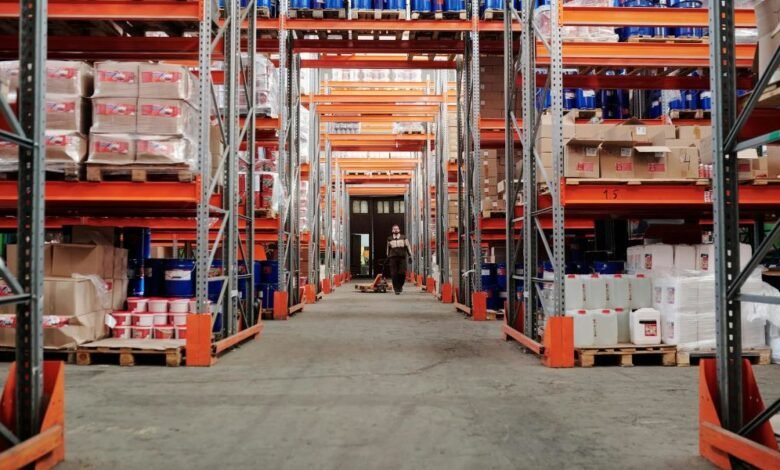
The feature set of each storage solution can significantly impact B2B logistics. Self-storage units are typically standardized in size, ranging from small lockers to larger garage-sized spaces. This setup suits businesses with moderate inventory volumes or varying storage requirements throughout the year. In contrast, warehouse space is often leased as a large, open area that can be customized for racking, bulk storage, or even light assembly. For example, a business needing to palletize shipments or use forklifts will find warehouse space more accommodating. Some commercial Storage Las Vegas providers may offer loading docks or drive-up access, which can streamline the transfer of goods. Comparing loading dock requirements and safety practices is important for businesses considering larger-scale shipping and receiving operations.
Evaluating Cost Structures and Scalability for Local Businesses
Cost is a central concern for local businesses evaluating their logistics strategy. Self-storage units operate on a month-to-month rental basis, making them attractive for businesses with fluctuating storage needs or seasonal demand. This approach minimizes upfront costs and allows for rapid scaling—simply rent additional units as needed. Warehouse leases, on the other hand, typically require longer commitments and may involve deposits, maintenance, and insurance costs. However, larger businesses handling high inventory volumes may find that the per-square-foot cost of warehouse space is more economical over time. When considering Storage Las Vegas, local businesses should weigh whether predictable monthly expenses and flexibility or long-term cost savings and control are more aligned with their growth plans. Either choice offers unique advantages depending on the scale and predictability of your logistics operations.
Selecting Optimal Storage for Supply Chain Efficiency
Supply chain efficiency relies heavily on the speed and reliability of inventory management. Self-storage can support rapid expansion or contraction of space, ideal for startups or businesses testing new markets in Las Vegas. This flexibility also means companies can respond to unexpected order surges or supply delays without being locked into an oversized facility. In contrast, warehouse space enables businesses to design custom layouts, install automation, or manage bulk shipments from a centralized location. For example, a company coordinating regular freight deliveries may benefit from the dedicated loading zones and adjustable shelving that a warehouse provides. Choosing between the two solutions hinges on how each supports timely order fulfillment, minimizes handling, and integrates with other supply chain components.
Conclusion
Begin your decision by mapping out your core logistics processes—identify the volume, frequency, and handling requirements unique to your business. From there, visit potential facilities and ask about climate control, access policies, and expansion options. Whether flexibility or control takes priority, clarity on your own operational needs will point you to the most effective storage solution for your Las Vegas B2B logistics.