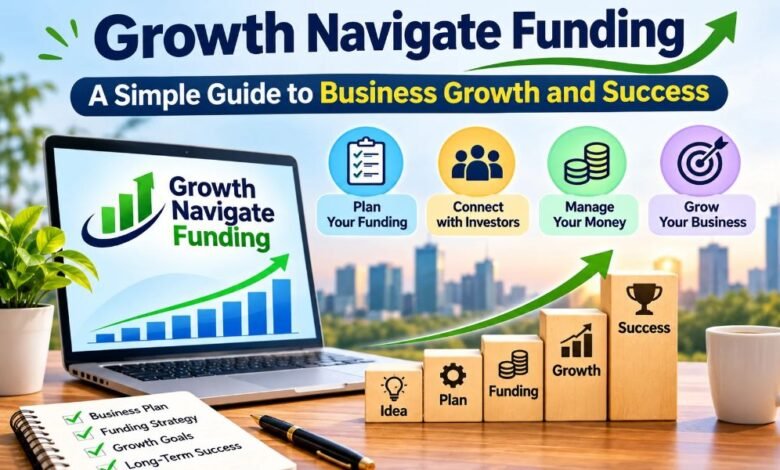
Starting a business is an exciting journey. You may have a great idea, a useful product, or a dream of owning a company. But a good idea alone is not enough. Every business needs money, customers, and a clear plan to grow. Many new owners face problems because they do not know where to find funding.
Others struggle to manage their money or reach the right investors. This is where Growth Navigate Funding may help. It offers advice and support for startup owners who want to raise money and build stronger businesses.
Its services focus on funding plans, investor meetings, financial records, and growth goals. In this guide, you will learn how Growth Navigate Funding works, what services it offers, and how funding can help a business grow. You will also learn how to choose the right funding option and avoid common mistakes.
What Is Growth Navigate Funding?
Growth Navigate Funding is a startup funding advice service. Its website, GrowthNavigateFunding.com, says it helps new and growing companies prepare to raise money from investors. The service focuses on business planning, finding investors, making financial plans, and helping owners prepare for funding meetings.
A business may need money for many reasons. A new shop may need shelves, products, and workers. A technology startup may need money to build an app. A growing company may want to open more stores or reach new customers. Growth Navigate Funding aims to help founders make plans for such needs.
The service is not the same as a bank loan. Its main role is to help a business prepare for funding. A company must still meet investor needs before it can receive money. No adviser can promise that every business will get funded.
How Does Growth Navigate Funding Work?
Growth Navigate Funding describes a four-step process. The steps focus on learning about a company, preparing its funding plan, meeting investors, and helping it grow. Each step has a clear purpose. Together, they can help a founder prepare for the work of raising money.
Step 1: Learn About the Business
The first step is to understand the business. The owner needs to explain what the company does, what it sells, and who its customers are. An adviser may also ask about sales, costs, staff, and future plans. This helps show how much money the business needs and why. For example, a small bakery may need $15,000 for a new oven and more supplies. Another business may need $100,000 to build a new product. Each company needs a plan that fits its size and goals.
Step 2: Build a Funding Plan
The next step is to make a clear funding plan. This plan should explain how much money is needed and how it will be spent. It should also show how the business plans to earn more money. Growth Navigate Funding offers help with these plans. A good funding plan should use real costs and fair sales goals. It should not depend on big promises or numbers that the owner cannot explain.
Step 3: Find and Meet Investors
After making a plan, the business can start looking for investors. Growth Navigate Funding says it helps founders find possible investors and prepare for meetings. Investors want to understand the company before they give it money. They may ask about customers, sales, profit, and business risks. A clear presentation can help the owner answer these questions. Still, an investor can say no, even when the business has a strong plan.
Step 4: Review the Deal and Plan for Growth
If an investor shows interest, the next step is to review the offer. The owner should learn how much money the investor will give and what they want in return. Some investors ask for part ownership of the company. Others may want a role in big business choices. Growth Navigate Funding advertises support during this stage. Owners should also ask a trained legal adviser to check contracts before they sign.
Main Services of Growth Navigate Funding
1. Business Funding Strategy
A funding strategy is a plan for finding and using money. Growth Navigate Funding says it helps businesses set funding goals and choose possible investors. The plan may also show when the company should seek funding. This matters because a business can lose time when it asks the wrong people for money. A strong plan helps owners know their next steps and prepare for common investor questions.
2. Pitch Deck Development
A pitch deck is a short set of slides about a business. It tells investors what the company does and why it needs money. A pitch deck may include the product, customers, sales, team, and future goals. Growth Navigate Funding offers help with these slides. A simple pitch is often easier to understand than one filled with too many words. Owners should use real facts and explain their plans in a clear way.
3. Investor Research and Connections
Finding investors takes time. Different investors support different kinds of businesses. Some like new technology companies. Others focus on health, food, or other markets. Growth Navigate Funding says it helps founders find investors who may fit their needs. It also advertises investor introductions. These services may help owners reach the right people, but a meeting is not the same as a funding offer.
4. Financial Planning
Good money records are important for every business. Owners need to know how much they earn and how much they spend. Growth Navigate Funding offers help with financial plans. These plans can show future sales, costs, and cash needs. For example, a store may expect sales to rise during a holiday season. The owner can use this plan to buy enough products and keep money ready for bills. A financial plan does not tell the future, but it helps owners prepare.
5. Business Growth Advice
A company needs more than funding to succeed. It must also find customers and keep them happy. Growth Navigate Funding offers advice on how businesses can grow after raising money. This may include finding new markets, improving sales, or planning a new product. The main goal is to help the business spend money on work that supports its growth. Owners should check their results often and change plans when needed.
Who Can Benefit From Growth Navigate Funding?
Growth Navigate Funding mainly focuses on startups and companies that want to raise money. A startup is a new business that hopes to grow. Some startups are small teams with a new product. Others already have customers and want to serve more people.
The service may interest founders who need help preparing investor slides, making money plans, or learning how funding deals work. It may also interest companies that have raised money before and want more funds to grow.
However, not every small business needs an investor. A local shop with steady sales may prefer a loan or money from its own profits. Owners should study their needs before paying for a funding adviser.
Types of Funding Available for Business Growth
There are several ways to get money for a business. Each option has its own rules and risks. The best choice depends on the size of the company, its goals, and its ability to pay money back.
Business Loans
A business loan is money borrowed from a bank or lender. The owner must pay it back, often with extra money called interest. Loans can help a company buy tools, products, or work space. Before taking a loan, owners should check the monthly payment and total cost. A loan may cause problems if the business cannot earn enough to make its payments.
Angel Investors
Angel investors are people who use their own money to support businesses. They often invest in young companies that may grow in the future. In return, they may ask for a share of the business. Some angel investors also give advice or share useful business contacts. Owners should understand how much ownership they will give away before accepting an offer.
Venture Capital
Venture capital is money that investment firms give to businesses with plans for fast growth. These firms often look for startups that could become much larger. They usually ask for company shares in return for their money. This kind of funding can help a startup grow, but it also means sharing ownership and some control.
Self-Funding
Self-funding means using your own savings or business profits. It is also called bootstrapping. This choice lets owners keep control of their company. For example, a small online store may use last month’s profit to buy more products. But owners should not put all their personal savings at risk. They still need money for family needs and unexpected costs.
Crowdfunding
Crowdfunding means raising money from many people, often through a website. A business may ask people to support a new product before it reaches stores. Some people receive a product or gift in return. Other forms of crowdfunding may involve loans or company shares. Owners must read the rules because each funding platform works in a different way.
How to Prepare Your Business Before Seeking Funding
Getting ready for funding takes careful work. Owners should start by writing a simple business plan. This plan should explain what the company sells, who its customers are, and how it earns money. It should also include the main costs of running the business.
Next, owners should collect their money records. These may include sales reports, bank records, bills, and tax papers. The records help investors see how the business works. Owners should also know how much money they need and what each part will pay for.
A business should study its market as well. Find out what customers want and what other companies offer. Use this information to set fair goals. Growth Navigate Funding may help with this work, but owners should know their own businesses well enough to answer questions.
How Much Does Growth Navigate Funding Cost?
The cost of funding advice can change based on the work a business needs. The website GrowthNavigateFunding.net lists three service packages. Its Launchpad package is priced at $4,500 per month. Its Navigator package is listed at $9,500 per month. Its Ascent package has custom pricing.
These are prices shown on the .net website. They should not be treated as confirmed prices for GrowthNavigateFunding.com. The link between the two websites has not been confirmed.
Before choosing a plan, ask for a full list of services and costs. Learn how long the agreement lasts and whether there are extra fees. Also ask what happens if no investor agrees to provide funding. Paid advice may help some companies, but it is not the right choice for every budget.
A Simple Example of Using Business Funding
Imagine a small food company called Fresh Bites. It sells healthy snacks in local shops. The company has regular customers, but it needs more money to make extra products and reach new stores.
The owner decides that the business needs $40,000. A simple plan might use $15,000 for new tools, $10,000 for supplies, $8,000 for marketing, and $7,000 as a cash reserve. The owner can then show this plan to a bank or investor.
This is only an example, not a real Growth Navigate Funding client. It shows why a clear money plan matters. Without a plan, the owner might spend too much on advertising and have too little money left to make products.
How to Measure Business Growth and Success
A business should check its progress after receiving funding. Owners should look at sales, costs, profit, and customer growth. These numbers show whether the company is moving in the right direction.
For example, a shop may sell $5,000 worth of goods in one month and $6,000 the next month. This shows that sales grew. But the owner must also check costs. If the shop spent too much to earn those sales, its profit may still be low.
Customer feedback is also useful. Happy customers may return and tell others about the business. Owners should listen to complaints and improve weak areas. Real business success comes from steady growth and careful spending.
Is Growth Navigate Funding Safe and Trustworthy?
Growth Navigate Funding has websites that describe funding advice and investor support. GrowthNavigateFunding.com also shows company success figures, including claims of more than $450 million in capital secured and over 300 startups funded. These are claims made by the website. They do not count as proof from an outside source.
Before paying for any funding service, check the company’s legal name, business address, team, and past work. Ask for client references that you can confirm. Read the service agreement and learn about refund rules.
Be careful with anyone who promises certain funding results. No adviser can make every investor say yes. Do not give unknown people your bank passwords or account access. A good decision starts with checking the facts.
Common Business Funding Mistakes to Avoid
Many owners make mistakes when they first seek funding. Some ask for money before they know how much they need. Others do not keep clear records of sales and costs. These mistakes can make investors unsure about the business.
Another problem is accepting the first offer without checking other choices. A business loan may have high interest. An investor may ask for too much ownership. Owners should compare offers and ask questions before making a choice.
Spending funding too fast is also risky. Every large cost should have a clear purpose. A business should keep enough money ready for bills, slow sales, and sudden problems.
Tips for Long-Term Business Success in 2026
A strong business needs a useful product, happy customers, and clear money goals. Owners should know what customers need and how much they are willing to pay. They should also track costs and avoid spending money on things that do not help the business grow.
Small goals can make a big difference. A shop may aim to gain 20 new customers each month. An online store may work to lower shipping costs. A service company may focus on keeping more regular clients.
Owners should review their plans each month. If sales drop, they can look for the cause. If a product becomes popular, they can plan to make more of it. Funding can support growth, but daily work and smart choices help a company stay strong.
Final Thoughts
Growth Navigate Funding is a service that focuses on startup funding advice and business growth planning. Its main website describes help with investor meetings, pitch decks, funding goals, and financial records. These services may be useful for owners who need help getting ready to raise money.
However, funding alone cannot make a business successful. A company also needs a strong plan, happy customers, and careful money management. Owners should compare funding options, check all service fees, and read agreements before signing.
The best way to grow a business is to make clear goals and work toward them each day. With good planning, careful spending, and the right support, a small company can build a stronger future.