Cold mornings test every heating system in the house. A furnace that struggles to keep up, strange noises from the ductwork, or rooms that never seem to reach a comfortable temperature are all signs that something isn’t working as it should. Many homeowners assume these issues are simply part of owning an older system, but the truth is that proper installation plays a bigger role in comfort and efficiency than most people realize.
At Peabody Huggins, we’ve seen firsthand how a poorly installed heating system can undermine even the most expensive, high-efficiency equipment on the market. Correct sizing, careful ductwork sealing, and precise calibration determine whether a system performs at its best for years or struggles from day one. This post breaks down what goes into a quality heating installation, why it matters for your home, and what to expect when you work with a team that gets it right the first time.
What Makes a Heating Installation Successful?
A successful heating installation starts long before the equipment arrives at your doorstep. It begins with an accurate assessment of your home’s size, insulation quality, and layout. Skipping this step is one of the most common reasons heating systems underperform.
Proper Sizing Prevents Wasted Energy
An oversized furnace cycles on and off too frequently, which wears out components faster and creates uneven heating throughout the house. An undersized unit, on the other hand, runs constantly and still fails to keep rooms warm. Calculating the right size for your space—factoring in square footage, ceiling height, window placement, and insulation—ensures the system works efficiently without unnecessary strain.
Ductwork Quality Affects Every Room
Even a perfectly sized furnace can underdeliver if the ductwork isn’t sealed and balanced correctly. Leaky ducts send warm air into attics, crawl spaces, and walls instead of your living room. Technicians who specialize in installation take the time to inspect, repair, or replace ductwork as part of the process, which means warm air reaches every room as intended.
How Does New Heating Equipment Improve Comfort and Savings?
Older heating systems tend to lose efficiency over time, even with regular maintenance. Components wear down, airflow patterns shift, and the technology itself becomes outdated compared to what’s available today. Replacing an aging system with a new, properly installed unit often brings noticeable improvements right away.
Lower Utility Bills Over Time
Modern heating systems are built with efficiency in mind, using less fuel or electricity to produce the same amount of warmth as older models. When paired with an installation that accounts for your home’s specific needs, these systems can meaningfully reduce monthly energy costs. Homeowners who upgrade often notice the difference on their very first bill after the changeover.
Fewer Repairs and Longer Equipment Life
Systems installed with care tend to experience fewer breakdowns. Correct refrigerant levels, secure electrical connections, and properly calibrated thermostats all contribute to smoother operation. Over the life of the system, this translates into fewer emergency repair calls and a longer overall lifespan for your equipment.
What Should You Expect During a Professional Installation?
Many homeowners feel uncertain about what actually happens once they schedule a heating installation. Understanding the process can make the experience far less stressful and help you know what questions to ask along the way.
An In-Home Assessment Comes First
Before any equipment is chosen, a technician typically visits the home to evaluate current conditions. This includes checking existing ductwork, assessing insulation, and discussing any comfort issues you’ve experienced in the past. This step ensures the recommended system actually fits your home rather than relying on generic assumptions.
Equipment Selection Based on Your Needs
Once the assessment is complete, you’ll receive recommendations tailored to your budget, home size, and efficiency goals. A good installer explains the tradeoffs between different options clearly, rather than pushing the most expensive model available. The goal is finding equipment that balances upfront cost with long-term performance.
Installation Day and What Comes After
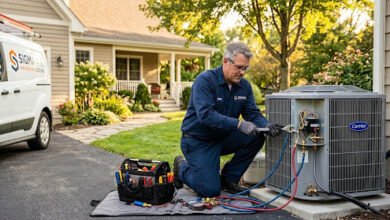
On installation day, technicians remove old equipment, prepare the space, and install the new system according to manufacturer specifications. Afterward, a thorough walkthrough should cover how to operate the new thermostat, what maintenance to expect, and how to recognize signs that service might be needed down the road.
Why Timing Matters for Replacing Your Heating System
Waiting until a system fails completely often leads to rushed decisions and limited options. Scheduling an installation before the coldest months arrive gives you more flexibility in choosing equipment and avoids the discomfort of being without heat during a cold snap.
Reliable comfort starts with a Heating Installation designed around your home’s specific layout and insulation, not a one-size-fits-all approach. At Peabody Huggins, our technicians take the time to evaluate every detail before recommending a system, which means the equipment we install is suited to your actual needs rather than a generic estimate. This attention to detail during the planning stage makes a measurable difference in how well your home stays warm once winter settles in.
Signs It Might Be Time for a New Heating System
Recognizing the warning signs early can save you from an unexpected breakdown. A few common indicators include:
- Uneven heating between rooms, even with the thermostat set correctly
- Rising energy bills without a clear explanation
- Frequent repairs or a technician recommending costly fixes
- Unusual noises, such as banging, rattling, or constant cycling
- A system that is more than 15 years old
If any of these sound familiar, it may be worth scheduling an assessment before the issue becomes more serious.
Take the Next Step Toward a Warmer, More Efficient Home
A heating system that’s properly matched to your home does more than keep you warm. It lowers energy costs, reduces the likelihood of repairs, and gives you peace of mind during the coldest months of the year. The difference between a system that merely functions and one that performs exceptionally often comes down to the quality of the installation itself.
Peabody Huggins has built a reputation on getting that process right, from the initial home assessment through the final walkthrough. If your current system has been struggling to keep up, or if you’re simply ready for an upgrade, reach out to our team to schedule a consultation and find out what options make the most sense for your home.