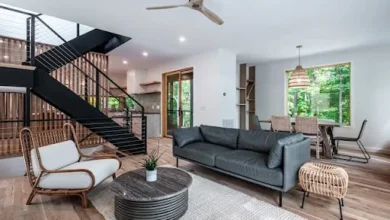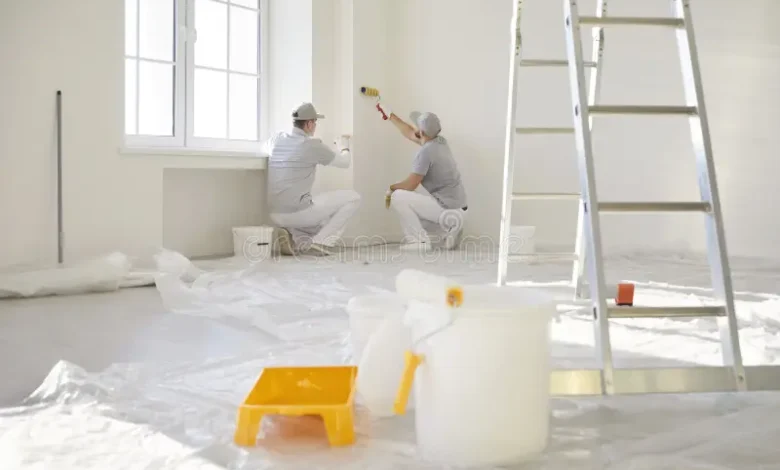
Your home’s exterior is the first thing neighbors, guests, and potential buyers notice. Its interior walls set the tone for how you feel the moment you walk through the door. Paint color and quality shape that experience more than almost any other design choice, yet it’s one of the most overlooked investments homeowners make.
A fresh coat of paint does more than refresh a tired room or weathered siding. It protects surfaces from moisture, sun damage, and everyday wear while instantly boosting curb appeal and resale value. The challenge isn’t deciding whether to paint. It’s finding a team skilled enough to get the details right, from surface prep to the final brushstroke.
This post explores what separates a forgettable paint job from one that elevates an entire property, and how thoughtful color choices, proper technique, and genuine craftsmanship come together to create lasting results.
Why Surface Preparation Makes or Breaks a Paint Job
Paint quality matters, but preparation matters more. Skipping or rushing this step is the number one reason paint jobs fail prematurely, peeling, bubbling, or fading within a year or two instead of lasting a decade.
Proper preparation includes:
- Power washing exteriors to remove dirt, mildew, and loose debris before any paint touches the surface
- Sanding and scraping old, cracked paint to create a smooth, even base
- Patching holes and cracks in drywall or siding so the finished surface looks seamless
- Priming bare wood, stained walls, or patched areas to ensure even color absorption and better adhesion
Skilled painters treat this stage with as much care as the painting itself. It’s unglamorous work, but it’s the foundation that determines whether a paint job lasts five years or fifteen.
How Do You Choose the Right Paint Colors for Your Home?
Color choice is deeply personal, but it also has practical implications. Lighting, architectural style, and surrounding landscape all influence how a color reads once it’s on the wall.
A few guiding principles help narrow the options:
Consider natural light. North-facing rooms tend to receive cooler, bluer light, which can make certain colors appear flatter or colder than expected. South-facing rooms get warmer, more golden light that can intensify bold hues.
Think about longevity, not trends. Trendy colors can date a home quickly. Neutral bases paired with accent colors on trim, doors, or an accent wall offer flexibility without sacrificing personality.
Test before committing. Large swatches painted directly on the wall, viewed at different times of day, reveal far more than a small paint chip ever could.
Match the home’s architecture. A craftsman-style home often calls for earthy, muted tones, while a modern build can support bolder, high-contrast palettes.
Professional painters who’ve worked across hundreds of homes often spot these nuances instantly, saving homeowners from costly trial and error.
What’s the Difference Between Interior and Exterior Painting Projects?
While the fundamentals of painting remain the same, interior and exterior projects require different materials, techniques, and timelines.
Interior Painting Considerations
Interior projects demand precision around trim, ceilings, and fixtures. Low-VOC and zero-VOC paints have become increasingly popular, reducing odor and improving indoor air quality during and after the job. Finish selection also plays a bigger role indoors, matte and eggshell finishes hide imperfections well in living rooms and bedrooms, while semi-gloss and satin finishes stand up better to moisture and scrubbing in kitchens and bathrooms.
Exterior Painting Considerations
Exterior work has to withstand sun exposure, temperature swings, and moisture year-round. This means prioritizing paints formulated for UV resistance and flexibility, so the finish doesn’t crack as siding expands and contracts with the seasons. Weather timing matters too; painting in excessive heat or humidity can affect how well paint cures and adheres.
Understanding these distinctions is part of what separates a general contractor from a dedicated painting specialist.
What Makes a Painting Company Worth Hiring?
Not every paint job requires a professional, but larger projects, tricky color matching, or exteriors with multiple stories benefit enormously from experienced hands. A few signs indicate real craftsmanship:
- Clean, straight lines along trim, ceilings, and corners without excessive tape marks
- Even coverage with no streaks, drips, or visible brush marks
- Respect for furniture, flooring, and landscaping throughout the project
- Clear communication about timelines, costs, and paint selection
- A workmanship warranty that stands behind the finished result
Choose a company with strong local reviews and a visible portfolio if durability and finish quality matter more to you than finding the lowest possible quote. Cutting corners on labor often costs more in repainting fees down the line.
Trust Your Home to a Team That Treats It Like Their Own
Impressions Painting delivers flawless, long-lasting finishes that turn ordinary walls into a true reflection of your home’s character, backed by meticulous prep work, premium materials, and a crew that shows up on time and cleans up after themselves. Every project, whether a single accent wall or a full exterior repaint, receives the same level of attention to detail.
From the first color consultation to the final walkthrough, the goal is always the same: a finish that looks as good in five years as it does on day one. Homeowners deserve painters who treat their property with the same care they would their own, and that commitment shows in every completed job.
A home’s appearance says a lot before a single word is exchanged. Investing in quality paint and skilled application pays off in curb appeal, protection, and pride of ownership for years to come.