Kyoko Chan Cox and the Custody Battle That Became Part of Yoko Ono’s Public Story

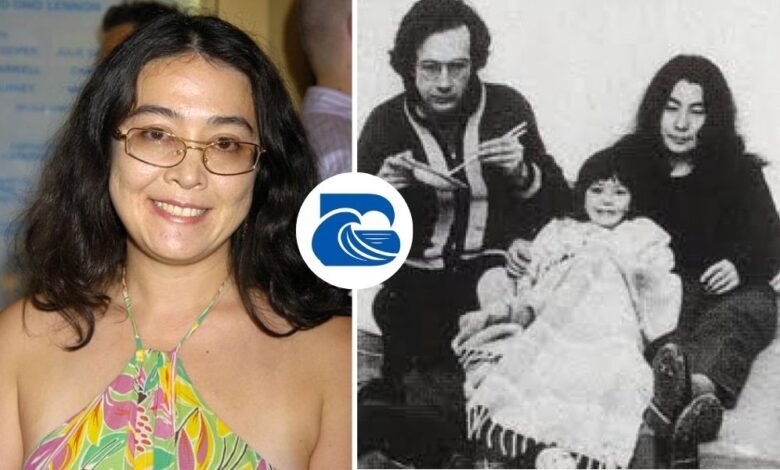
Kyoko Chan Cox is known to the public because she is the daughter of Yoko Ono and Anthony Cox. But her story should not be told like a simple celebrity fact page. It is not only about a famous mother. It is also about a child whose early life became part of a legal fight, a family break, and a much larger public story.
The strongest way to write about Kyoko Chan Cox is to start with public records, not gossip. A 1972 U.S. Court of Appeals record says the case was an appeal from an order that awarded legal custody of Kyoko to Yoko Ono Cox Lennon, while Anthony D. Cox kept rights of reasonable visitation.
A Child Pulled Into an Adult Conflict
Kyoko Chan Cox was still a young child when her parents’ marriage and custody fight moved into court. The court record says Anthony Cox and Yoko Ono Cox were married in Tokyo, Japan, in 1963. It also says Kyoko was the one child of the marriage and was five years old when the 1969 divorce action was filed.
These facts matter because they show how young Kyoko was when adults began making legal choices around her life. She was not a public person making public moves. She was a child. That is why writers need care. The story may involve famous names, but the center of it is still a child caught between parents.
Why This Story Is More Than Celebrity Gossip
Many online profiles turn Kyoko Chan Cox into a few fast facts. They often say she is Yoko Ono’s daughter, mention John Lennon, and then move on. That kind of writing can feel easy, but it misses the real story. The real story is about how private family pain can become public when fame, court orders, and the media all meet.
Yoko Ono was already known in art circles. John Lennon was one of the most famous musicians in the world. Their life drew public attention. But Kyoko’s life was not a show. Her story shows a hard truth. When a parent is famous, even a child’s pain can become news.
The 1969 Divorce Record and the Open Custody Question
The legal story did not begin with a final custody order. In the 1969 divorce decree, the court granted the divorce but left the care, custody, and control of Kyoko open for later decision by a court with power to decide it. This is a key detail.
It means the first divorce record did not fully settle where Kyoko should live or how custody should work. That open question later became very important. It also shows why this article should not use loose wording. The record is more careful than many short online stories. It shows a legal process with steps, dates, and limits.
The 1971 Custody Motion
In June 1971, Yoko Ono Cox Lennon filed a motion for custody of Kyoko in the District Court of the Virgin Islands. The court record says that Anthony Cox and Kyoko had left Spain and were somewhere in the United States, but their exact location was not known to Yoko’s lawyer at that time.
This part of the record helps explain why the case became so hard. The problem was not only which parent should have custody. The problem also became where Kyoko was and which court should decide. When families move across places during a custody fight, the law can become very complex. For a young child, that can also mean deep stress.
A Fight Across Places and Courts
The court record shows that the case involved more than one location. It mentions the Virgin Islands, Spain, Texas, and later Japan in connection with Anthony Cox and Kyoko’s movements. This gives the story a wider shape. It was not a small family matter handled in one town. It moved through courts and countries.
A New Yorker report from 1972 also said John Lennon and Yoko Ono were in the United States in large part because they were trying to secure custody of, or visiting rights with, Yoko’s daughter Kyoko. This is why Kyoko Chan Cox became part of a cultural story. Her custody case touched the public image of Lennon and Ono during a very famous time in their lives.
What the Court Ordered
In September 1971, the District Court of the Virgin Islands filed an order awarding legal custody of Kyoko to Yoko Ono Lennon, formerly Cox. The order also gave Anthony Cox reasonable visitation rights, including time during summer vacation and Christmas recess in alternate years. This is one of the most important facts in the story.
It gives a clear legal base. It also shows that the court was not trying to erase the father from Kyoko’s life. The order gave custody to Yoko but also set out visitation for Anthony Cox. That is why careful wording matters. Writers should not turn the case into a simple good side and bad side story. The record is more exact than that.
The Appeal and the Final Result
Anthony Cox appealed the custody order. He argued that the Virgin Islands court did not have the right power over the case and that notice issues were unfair. The Court of Appeals reviewed these points. In the end, it affirmed the order of the District Court of the Virgin Islands. In simple words, the higher court let the custody order stand.
This is why the 1972 record is useful. It gives readers more than rumors. It shows what the court considered and what the court decided. It also helps writers avoid claims that are too broad, too emotional, or not supported by records.
How Private Pain Became Public History
Kyoko Chan Cox’s story became public because the adults around her were public figures and because the court case was public. But public does not always mean simple. People reported that Cox, his wife Melinda, and Kyoko fled again after a period of court conflict, and that Kyoko did not see or speak with her mother for 23 years.
That is a painful part of the story. It should be written with care, not drama. Words like “missing,” “separated,” and “court battle” may be true in the right context, but they should not be used just to shock readers. Kyoko was a child. The adults had fear, anger, and grief. The child had to live with the result.
Yoko Ono’s Art and the Search for Kyoko
The custody fight also entered Yoko Ono’s art. People reported that “Don’t Worry Kyoko (Mummy’s Only Looking for Her Hand in the Snow)” was one of the ways Lennon and Ono tried to send a message through music. Pitchfork also described the song as a work tied to Ono’s daughter from her first marriage, who had disappeared from her life during the custody conflict.
This gives the story a strong cultural layer. It shows how family loss can move into sound, words, and performance. For Yoko Ono, art was not only a career tool. In this case, it also became a way to speak toward a child she could not reach.
Why John Lennon Is Part of the Story
John Lennon is part of this story, but he should not take the story away from Kyoko. The New Yorker reported in 1972 that Lennon and Ono were in the United States while trying to secure custody of, or at least visiting rights with, Kyoko. The same report connected the custody issue with their immigration situation in the United States.
It said a Texas court order required Yoko’s custody to be exercised inside the United States, which made leaving the country much harder for the couple. This detail matters because it shows how one child’s custody case shaped adult choices around travel, home, and public life. Still, Kyoko should remain the human center of the article.
The Media Problem Around Celebrity Children
Kyoko Chan Cox’s story also teaches a lesson about writing. Celebrity-child stories can easily become unfair. A child does not choose fame just because a parent is famous. A custody record does not give writers the right to invent feelings, scenes, or private details. A useful article should do three things:
-
Use court records and strong sources.
-
Explain hard facts in simple words.
-
Avoid fake private scenes or emotional guesses.
This is very important for Kyoko Chan Cox. Many people search her name because of Yoko Ono and John Lennon. But search interest does not remove her right to dignity. Good writing should answer the reader’s question without turning her life into a gossip product.
The Later Reunion With Yoko Ono
The story did not end only with loss. In an interview republished by Yoko Ono’s Imagine Peace site, Ono said she and Kyoko were reunited in 1994 after Kyoko contacted her office. Ono said Kyoko was 31 at the time. This part changes the feeling of the story. It does not erase the past. It does not make the lost years simple.
But it does show that family stories can keep moving even after long silence. People also reported that Yoko and Kyoko were seen together in 2001, and Ono later described the moment Kyoko appeared as feeling like a missing part of herself had come back.
A Better Way to Write About Kyoko Chan Cox
A better article about Kyoko Chan Cox should not chase scandal. It should explain how her childhood became part of a legal and cultural story. The court record shows a custody fight with real legal steps. The media record shows how the fight became tied to John Lennon and Yoko Ono’s public life.
The music record shows how grief entered Yoko Ono’s art. The later reunion shows that the story was not only about courtrooms and loss. It was also about time, pain, and reconnection. This angle gives readers something more useful than a thin biography. It helps them understand why Kyoko’s name still appears in searches and why her story should be handled with respect.
Final Thoughts
Kyoko Chan Cox became known to the public through no choice of her own. She was a child during a hard custody battle between Yoko Ono and Anthony Cox. A 1972 court record gives the strongest base for understanding that legal fight, including the award of custody to Yoko Ono Cox Lennon and visitation rights for Anthony Cox.
But the story is larger than one court order. It is about how fame can make private pain public. It is about how a child’s life can become part of music, media, law, and cultural memory. Most of all, it is a reminder that famous family stories still involve real people. Kyoko Chan Cox should be written about with facts, simple language, and care.